Quick Answer
Mixing energy drinks with alcohol is a bad move because the caffeine masks your body’s natural signals of intoxication, leading you to drink far more than you can handle. You aren’t getting ‘sober’ energy; you’re just tricking your brain into a state of ‘wide-awake drunkenness’ that leads to poor choices and a brutal hangover.
- Stop ordering drinks that hide the alcohol content—if you can’t taste the spirit, you’re drinking too fast.
- Stick to mixers like tonic, soda, or ginger beer to keep your pace honest.
- If you’re tired, order a coffee or go home; don’t use a Red Bull to force another two hours of bad decisions.
Editor’s Note — Marcus Hale, Editor-in-Chief:
I firmly believe that the ‘Vodka-Bull’ is the single most destructive cocktail in modern bar culture. It’s not a drink; it’s a mask. In my years covering the hospitality industry, I’ve watched too many promising nights turn into regrettable disasters because people treat caffeine like a magic eraser for alcohol. What most people miss is that your liver doesn’t care how alert you feel—it still has to process the same amount of ethanol. Sam Elliott knows exactly how this plays out on a busy Friday night. Stop kidding yourself and stick to quality spirits. Read this, then order a tonic instead.
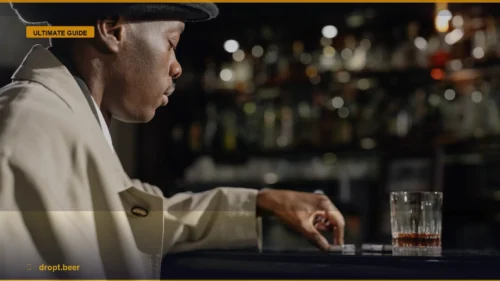
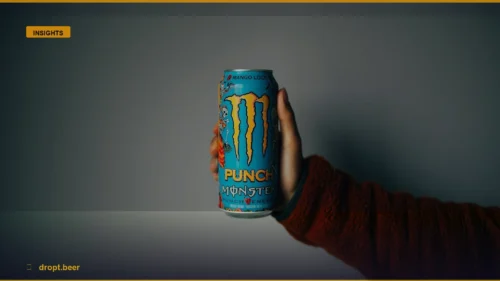
The sound of the tab cracking is unmistakable. It’s that sharp, metallic hiss followed by the aggressive fizz of carbonation. Then comes the smell—that unmistakable, medicinal, syrupy sweetness that cuts right through the scent of spilled beer and lemon wedges. You’re standing at the bar, it’s 1:00 AM, and the bartender is lining up four vodka-energy drinks. You think you’re just fueling up for another hour on the dance floor. But you’re not.
You’re walking into a physiological trap. The combination of high-caffeine energy drinks and spirits isn’t some clever bartender’s innovation; it’s a chemical sleight of hand. It creates a state of ‘wide-awake drunkenness’ that is as dangerous as it is deceptive. My position is simple: if you’re drinking to enjoy the spirit, you wouldn’t touch the stuff. If you’re drinking to get ‘up’ while you get ‘down,’ you’re engaging in a practice that prioritizes performative energy over your own long-term health and decision-making capabilities.
The Myth of the ‘Sober’ Buzz
Let’s clear the air immediately. Caffeine does not metabolize alcohol. It doesn’t make you any less drunk. It simply masks the sedative effects of ethanol. When you drink a standard cocktail, your body sends you clear, reliable feedback: your movements slow down, your speech gets slightly slurred, and your eyelids get heavy. These are your biological guardrails. They tell you when it’s time to switch to water or call it a night. When you pour an 8.4-ounce can of energy drink into your vodka, you’re effectively cutting those guardrails.
The WSET (Wine & Spirit Education Trust) emphasizes the importance of sensory awareness in drinking. When you obscure the flavor and the physical reality of a spirit with the aggressive, artificial sweetness of taurine and sugar, you lose that awareness. You aren’t tasting the spirit anymore. You’re drinking a high-octane soda that happens to be spiked. Because the taste is hidden, you drink faster. You consume more ethanol in a shorter window than you would with a beer or a well-balanced whisky highball.
The Social Engineering of the Mix
Why do we do it? It’s rarely about the flavor profile. Nobody is sitting at home, carefully considering the notes of a premium vodka and thinking, ‘You know what would really make this pop? A massive dose of synthetic B-vitamins.’ It’s a utility drink. It exists for the nightclub, the rowdy pub, and the person who refuses to accept that their night has a natural expiration date.
In many bars, this mix is marketed as a ‘party fuel.’ It’s designed to keep the revenue flowing. If you’re awake and energetic, you’re buying more rounds. It’s a cynical business model that relies on the customer losing their self-regulation. Think about it: if you’re drinking a complex, bitter-heavy IPA or a sipping tequila, you naturally slow down. You appreciate the nuance. The ‘Vodka-Bull’ is designed to be chugged. It’s the antithesis of thoughtful drinking.
The Hangover You Didn’t See Coming
The crash is where the bill finally comes due. You might feel fine at 2:00 AM, riding the wave of caffeine and sugar. But by 4:00 AM, when the stimulant leaves your system and the alcohol is still working its way through your liver, the exhaustion hits with double the force. It’s a jarring, physical deficit. You aren’t just hungover from the alcohol; you’re suffering from a chemical withdrawal from the artificial energy spike.
I’ve worked behind bars where I’ve watched the same pattern repeat for a decade. A group comes in, they order the energy-drink cocktails, they’re loud and seemingly fine for two hours, and then—suddenly—the wall hits. They don’t just get tired; they get sloppy. And because they’ve been drinking so quickly, the volume of alcohol in their system is significantly higher than they realize. It’s not a fun end to the night. It’s a mess.
How To Drink With Intention
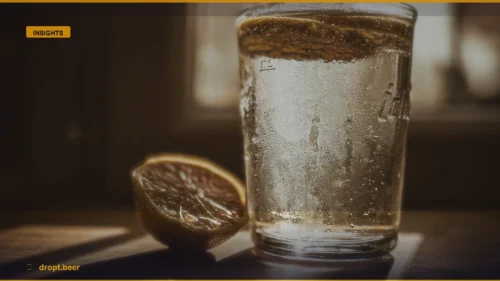
You don’t need a stimulant to enjoy a night out. If you’re looking for a pick-me-up, there are better ways to do it that don’t involve masking your intoxication levels. If you want a long drink that keeps you hydrated and paced, order a highball with soda water and a twist of lime. You get the crispness of the spirit, the hydration of the water, and you actually taste what you’re drinking. You’ll find you naturally pace yourself.
If you find yourself needing an energy drink to keep going, look at the situation honestly. Are you actually having fun, or are you just trying to force the night to last longer? If it’s the latter, do yourself a favour: order a glass of water, pay your tab, and head home. The best nights out aren’t the ones you power through with chemical assistance; they’re the ones where you’re present enough to remember them. At Dropt Beer, we’re all about celebrating the culture of drinking, and that starts with respecting your own limits—not trying to cheat them.
Frequently Asked Questions
Does caffeine actually sober you up?
No. Caffeine does not metabolize alcohol or lower your blood alcohol concentration. It only masks the sedative effects of alcohol, making you feel more alert than you actually are. You remain just as impaired, but you lose the ability to recognize those signs of impairment in yourself.
Why does the ‘Vodka-Bull’ taste so much better than other drinks?
It doesn’t taste ‘better’ in a culinary sense; it is engineered to be hyper-palatable. The intense sweetness, heavy carbonation, and aggressive taurine content are specifically designed to hide the harsh ‘burn’ of ethanol. This allows you to consume higher quantities of alcohol without the natural taste-aversion that usually slows down your drinking.
Is it dangerous to mix these?
The primary danger is behavioral. Because the energy drink masks your fatigue, you lose your body’s natural cues to stop drinking. This leads to significantly higher consumption levels, which increases the risk of alcohol poisoning, impaired judgment, and accidents. It turns a social night into a reckless gamble with your physical safety.
What is a better alternative for a night out?
Opt for a highball with a neutral mixer like club soda or tonic water. These allow you to enjoy the flavor of the spirit without the sugar-induced energy spike. They also encourage a slower, more intentional drinking pace, which helps you stay in control of your night and avoid the dreaded post-caffeine crash.