Quick Answer
Geneva’s best drinking isn’t found in sterile lakefront hotel lobbies; it’s hidden in the stone-walled cellars of the Old Town and the raucous, independent bars of Pâquis. Prioritize local craft beer over imports and seek out bartenders who treat mixology as a technical craft rather than a service transaction.
- Skip the tourist-heavy lakeside hotels entirely.
- Head to the Old Town for intimate, history-steeped cocktail dens.
- Visit the Pâquis district for authentic, local-led craft beer culture.
Editor’s Note — James Whitfield, Managing Editor:
I firmly believe that if you’re drinking in a hotel lobby in Geneva, you’re missing the entire point of the city. Most visitors mistake luxury for quality, ending up with overpriced, tepid gin and tonics when they could be drinking world-class local ales or precise, seasonal cocktails three blocks away. I tasked Sam Elliott with this guide because he understands that a bar is defined by its regulars, not its tax bracket. What most people miss is the sheer technical proficiency of the Swiss bar scene. Stop playing it safe and start walking the side streets tonight.
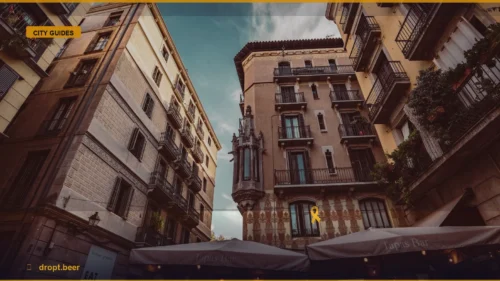
The smell hits you before you even see the bar—a mix of old stone, damp cellar air, and the sharp, bright citrus of a freshly expressed lemon peel. It’s a sensory collision that doesn’t belong in a city often caricatured as a polished, buttoned-up financial hub. Yet, tucked away in the labyrinthine alleys of Geneva’s Vieille Ville, this is exactly what you find. You hear the low hum of conversation, the rhythmic clink of glassware, and the unmistakable sound of a heavy wooden door shutting out the modern world.
If you think Geneva is nothing more than expensive suits and sterile hotel lounges, you’re looking in the wrong places. The real Geneva lives in the dark, wood-paneled corners where the locals actually go to drink. You don’t need a massive expense account to find a great pour; you just need to stop following the glossy brochures and start following the noise of a neighborhood local. The best bars here aren’t the ones with the view of the Jet d’Eau—they’re the ones where the bartender remembers your order by the second round.
The Myth of the Lakeside View
It’s easy to fall for the trap. You land at the airport, check into a hotel near the lake, and assume the nearby bars are the pulse of the city. They aren’t. Those spots are designed for convenience, not for character. They are transactional spaces built for diplomats and tourists who don’t know any better. If you want a drink that tells a story, you have to leave the waterfront.
The BJCP guidelines for beer appreciation emphasize the importance of context and freshness, and the same principle applies to your entire night out. A beer served in a sterile environment, miles away from the source, loses its soul. In Geneva, the best experiences are tethered to the people who actually live there. When you step into a place like a local Pâquis haunt, you’re not just consuming alcohol; you’re engaging with a community that prides itself on independence. If the tap list looks like a corporate brochure, keep walking.
Sourcing the Local Craft
Swiss brewing has undergone a radical transformation. It’s no longer just about mass-market lagers; it’s about mountain-fed water, locally malted grains, and a fierce, almost stubborn devotion to quality. The best bars in Geneva often act as the front line for these micro-breweries. They aren’t just selling beer; they’re acting as curators of a regional identity that is finally finding its voice.
When you sit down, look for the brewery name on the tap handle. If you don’t recognize it, good. That’s the point. Ask the bartender about the provenance of the hops or the specific style of the ale. They should be able to give you a breakdown that rivals the expertise found in the Oxford Companion to Beer. If they can’t tell you where the beer came from, you’re drinking in the wrong room. A great bar is an educational space as much as a social one.
Precision in the Glass
Cocktail culture in Geneva is a different beast entirely. It’s precise, technical, and refreshingly devoid of the sugary, neon-colored fluff that plagues lesser bars. Here, the focus is on the architecture of the drink. You’ll find bartenders who treat a simple sour with the same gravity a scientist treats a lab experiment. They understand the balance of acidity and botanical depth because they have to—the local palate is demanding, and mediocrity doesn’t survive in the Old Town’s competitive circuit.
Don’t be afraid to ask for a house special. In a city that values precision, the signature drink is usually a flex of the bartender’s skill. It’s a way of saying, “This is what we do better than anyone else.” Pay attention to the glassware, the temperature, and the speed at which it’s delivered. These aren’t just aesthetic choices; they are indicators of a professional operation. If you find a place that balances a killer aperitivo hour with a cocktail list that changes by the season, you’ve hit the jackpot.
Navigating the Neighborhoods
You have to choose your mood before you choose your destination. The Old Town is for when you want to feel the weight of history—stone cellars, low ceilings, and a sense of timelessness. It’s the place for a dram of whiskey or a slow-sipped classic cocktail. The Pâquis, conversely, is where you go for the grit. It’s faster, louder, and significantly more eclectic. It’s where you find the brewers and the night owls.
We see too many drinkers treat a city like a bucket list to be checked off. That’s a mistake. Pick one neighborhood and settle in. Get to know the rhythm of the room. When you find a spot that feels like it could be your local, don’t rush to leave for the next “must-see” location on a generic list. The best night you’ll have in Geneva is the one where you stop moving and start drinking. You can find more tips on navigating global drinking culture right here on dropt.beer.
Your Next Move
Stop hunting for “views” and start hunting for “taps” by committing to one local neighborhood for your entire evening.
- Immediate — do today: Research a single independent Swiss brewery and identify one bar in the Pâquis district that keeps their product on draft.
- This week: Visit a local bottle shop or bar and ask for a Swiss-made IPA or Stout, then compare it against an international benchmark.
- Ongoing habit: Always check the tap list before you order; if more than 50% of the handles are macro-corporate brands, walk out.
Frequently Asked Questions
Are hotel bars in Geneva ever worth visiting?
Generally, no. While they offer comfort and predictable service, they rarely reflect the local culture or the innovative spirit of Geneva’s independent scene. You are paying for the location, not the craft. If you want a drink that captures the soul of the city, stick to the independent bars in the Old Town or Pâquis districts.
Is Geneva’s craft beer scene expensive?
Geneva is not a budget destination by any standard. However, you can find value by avoiding the tourist traps near the train station and the lake. Focus on local micro-breweries and neighborhood bars where the prices reflect the quality of the product rather than the overhead of a luxury hotel location.
What is the best way to find a “local” bar?
Look for places that prioritize a specific drink category—like a dedicated craft beer taproom or a focused cocktail den—rather than venues that try to do everything for everyone. If the bar is filled with people who look like they’ve just finished work in the neighborhood, you’re in the right place.
Do I need to speak French to order a drink?
While Geneva is an international city and English is widely spoken in the hospitality industry, learning a few basic phrases goes a long way. More importantly, showing a genuine interest in the local craft products usually breaks down any language barriers immediately. Bartenders appreciate a drinker who cares about what is in their glass.