Quick Answer
Buzz bombs are crude, high-octane mixtures of cheap spirits and high-caffeine energy drinks designed for rapid intoxication rather than enjoyment. They represent a fundamental clash between stimulant and depressant that masks physical impairment, making them a dangerous outlier in thoughtful drinking culture.
- Avoid using premium spirits, as the energy drink will completely obliterate any nuance.
- Recognize these as high-volume party tools, not drinks to be savored or analyzed.
- Prioritize pacing, as the caffeine hides your actual blood alcohol concentration.
Editor’s Note — Sophie Brennan, Senior Editor:
I’ve always held that a drink should tell a story of its ingredients, not attempt to silence them. Buzz bombs are an affront to that philosophy, representing the absolute bottom rung of beverage service where the goal is chemical efficiency, not flavor. In my years covering the industry, I have never found a single instance where adding a synthetic energy drink improved the character of a spirit. Charlie Walsh is the perfect person to address this because he understands the sanctity of the pub environment and the importance of pacing. Put the energy drink down and order a proper pint instead.
The smell hits you before the glass even touches the bar. It’s a sharp, medicinal tang—a cocktail of synthetic taurine and cheap, industrial-grade ethanol that cuts through the stale air of a crowded Friday night. Someone at the end of the bar drops a shot glass into a pint, the liquid fizzes violently, and a group of people cheers. They aren’t celebrating a complex fermentation profile or the subtle botanicals of a craft gin. They are celebrating the promise of a quick, artificial buzz.
Let’s be clear: buzz bombs are not a part of the craft drinking culture we celebrate at dropt.beer. They are the antithesis of it. While the industry makes strides toward intentional consumption, these shooters exist solely to override your body’s natural warning systems. If you’re looking for a drink that respects your palate, you’re in the wrong place. But if you’re curious about why these viral concoctions persist in the face of better judgment, it’s time to look at the mechanics of the “bomb” and why they’re fundamentally different from anything else behind the bar.
The Mechanics of the Mask
The design of a buzz bomb is ruthlessly utilitarian. You have a base spirit—usually the most budget-friendly vodka or tequila available—submerged in a high-caffeine energy drink. The BJCP guidelines for beer and the WSET standards for spirits emphasize balance and the appreciation of raw materials. Buzz bombs do the exact opposite. They are engineered to strip flavor away. The intense sweetness and the aggressive acidity of the energy drink act as a chemical eraser, scrubbing the palate clean of any ethanol burn. You don’t taste the spirit, and that is the point.
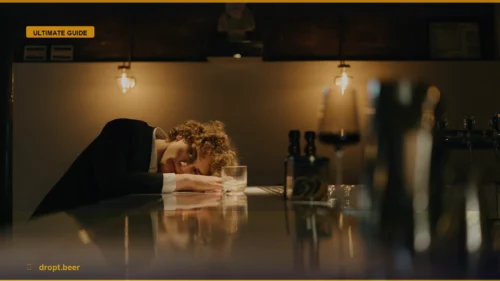
When you consume a standard cocktail, your body sends signals. The heat of the alcohol, the weight of the liquid, the gradual slowing of your reflexes—these are your natural governors. Caffeine acts as a chemical override. It masks the sedative effects of the alcohol, leaving you feeling falsely alert. According to the Brewers Association’s focus on responsible service and industry standards, the goal is always to enhance the guest experience through quality and moderation. Buzz bombs ignore this entirely, pushing the body into a state of high-intensity stimulation while the blood alcohol content climbs unnoticed. It’s a recipe for a chaotic night that rarely ends well.
The Myth of the Craft Shooter
Search online and you’ll find lifestyle blogs trying to rebrand these as “cocktails.” Don’t believe the hype. There is no such thing as an artisanal buzz bomb. If you’re pouring a top-shelf spirit into a pint of neon-colored energy drink, you are quite literally throwing money away. The flavor profiles are incompatible. You’re taking a complex, distilled product and burying it under synthetic sweeteners. It’s akin to pouring a vintage wine into a blender with a packet of powdered drink mix. It doesn’t make the experience better; it just ruins the wine.
There is a persistent belief that these drinks offer a unique, elevated sensory experience. This is marketing nonsense designed to move volume at bars that prioritize turnover over taste. The reality is that the bitterness of the caffeine and the cloying nature of the sugar are designed to trigger a reward response in the brain without requiring any engagement from the taste buds. It’s fast food for the central nervous system. If you want a drink that offers energy and alcohol, find a well-made Irish coffee or a high-quality espresso martini where the bitterness of the coffee complements the roast of the spirit rather than masking it.
The Bar Owner’s Perspective
Why do bars keep serving them if they’re so problematic? It comes down to logistics and profit margins. These drinks are fast to make and even faster to consume. They don’t require a skilled bartender to balance ratios or stir with precision. From a business standpoint, they are highly efficient. They keep the line moving. However, any bar that relies on these as a staple is telling you exactly what they think of their patrons. They aren’t interested in your palate; they’re interested in your efficiency.
If you find yourself in a bar where the menu is dominated by these shooters, take a look at the rest of the taps. If they aren’t offering a decent session beer or a simple, well-made highball, it’s a red flag. The most responsible establishments in the world—those that value the culture of the pub—tend to avoid these concoctions. They know that the environment of a bar should be one of conversation and social connection, not one defined by rapid-fire shots that leave you unable to hold a coherent conversation by midnight.
Making Better Choices
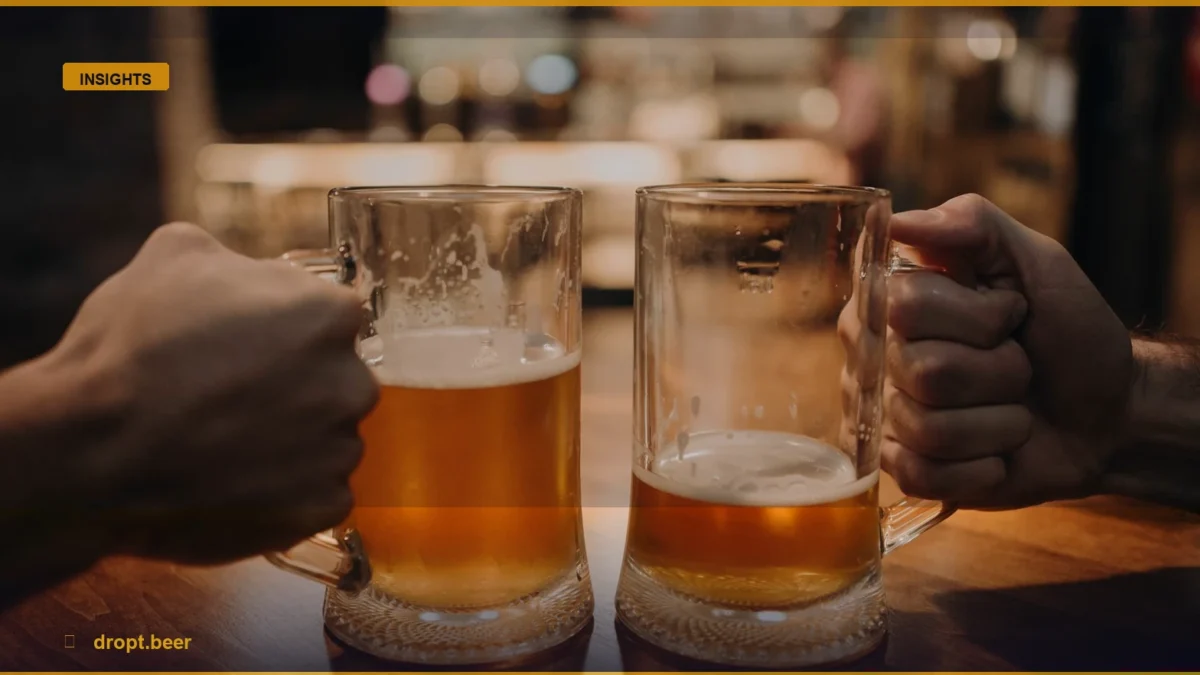
If you want to enjoy a night out without resorting to chemical shortcuts, the solution is simple: drink better, not faster. Choose a session ale that you can enjoy over the course of an hour. Seek out a spirit that actually tastes like the grain or agave it came from. When you stop trying to mask the reality of what you’re drinking, you start to enjoy the process of drinking itself. That is the core of what we do here at dropt.beer. It’s about being present, being thoughtful, and knowing exactly what is in your glass.
If you do happen to be at a party where these are the only option, you don’t have to participate. Ask for a simple soda with lime or a glass of water. There is no social obligation to consume a drink that actively works against your own well-being. True drinking culture is about the people you’re with and the conversation you’re having, not the speed at which you can reach a state of impairment. Next time you’re at the bar, skip the bomb and order something that doesn’t need to be dropped to make a statement.
Your Next Move
Replace your next “bomb” order with a single, well-crafted session beer that you can savor for at least twenty minutes.
- Immediate — do today: Identify one local brewery that focuses on sessionability rather than high-octane gimmicks and visit them this evening.
- This week: Read through the BJCP style guidelines for your favorite beer style to understand what balanced flavors actually look like.
- Ongoing habit: Always ask the bartender for a recommendation based on flavor profile rather than alcohol content or “vibe.”
Frequently Asked Questions
Are buzz bombs actually dangerous?
Yes. The danger lies in the masking effect of the caffeine. The stimulant masks the depressant effects of the alcohol, which usually serve as your body’s natural indicator of intoxication. This can lead to overconsumption because you feel alert and functional while your blood alcohol concentration is actually rising to dangerous, unmonitored levels.
Does the quality of the alcohol matter in a bomb?
No. Using premium spirits is a waste of money because the overwhelming sweetness and chemical profile of the energy drink completely obliterates any subtle notes in the spirit. If you insist on making these, use the cheapest, most neutral spirit available, as the end result will be chemically identical regardless of the base.
Why do bars promote these drinks?
Bars push them for logistical efficiency and profit margins. They require zero skill to prepare, use shelf-stable ingredients, and are designed to be consumed rapidly, which increases turnover. They are the fast-food equivalent of bar service and are prioritized by establishments that value volume over the quality of the guest experience.
Is there a ‘correct’ way to pair energy drinks with spirits?
There is no culinary or mixological ‘correct’ way to pair these, as they are not designed for flavor. Any suggestion that there is a specific spirit that works ‘best’ with an energy drink is marketing fluff. The goal of the mixture is to strip flavor, not to highlight it. If you want a balanced drink, look for a classic highball or a well-made cocktail instead.