Quick Answer
Yes, ginger ale is an excellent companion for whiskey, but only if you abandon mass-market, sugar-heavy sodas in favor of dry, ginger-forward mixers. The combination works best when you pair high-rye bourbon or Irish whiskey with a spicy ginger ale and a generous squeeze of fresh lime.
- Use a 1:3 ratio of whiskey to ginger ale for a balanced highball.
- Always prioritize ginger ale containing real ginger root extract over artificial syrups.
- Add fresh lime juice to bridge the gap between the whiskey’s oak notes and the ginger’s heat.
Editor’s Note — Amelia Cross, Content Editor:
I firmly believe that the “Whiskey Ginger” is the most misunderstood drink in the modern bar; it is routinely treated as a way to hide bad spirit, when it should be a masterclass in balance. What most people miss is that the mixer is half the recipe, not an afterthought. I recommend stepping away from the supermarket aisle and investing in small-batch ginger sodas that actually bite back. Jack Turner has the rare ability to strip away the pretension of cocktail culture while keeping the historical integrity of the pour intact. Go buy a bottle of spicy ginger ale and a lime before you pour your next glass.
The Sound of the Highball
The sound is unmistakable. It’s the sharp, frantic crackle of ice cubes settling into a tall glass, followed by the hiss of carbonation as it hits the spirit. That specific sound promises something crisp, cold, and utterly refreshing. Yet, for too many of us, the reality of the “whiskey ginger” often falls short, resulting in a cloying, syrupy mess that tastes more like a candy store than a thoughtful cocktail.
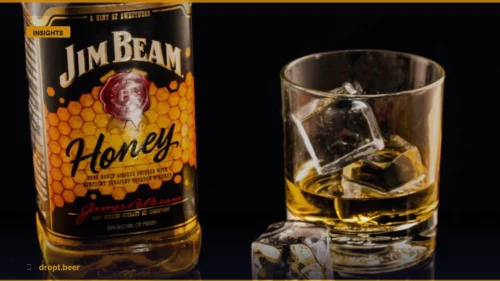
The truth is that ginger ale is a phenomenal partner for whiskey—but only if you stop treating it like a dumping ground for the bottom shelf. A proper highball is a study in structural integrity. When you get the balance right, the ginger’s earthy heat cuts through the heavy, tannic sweetness of the oak, while the bubbles provide the lift necessary to make a high-proof spirit drinkable in the heat of an Australian summer. If you’re just throwing grocery store soda into a glass, you aren’t making a cocktail; you’re making a sugar bomb.
The Myth of Interchangeable Mixers
We’ve been sold a lie that all ginger-flavored sodas are created equal. Walk into any convenience store and you’ll find rows of green-labeled bottles that share more DNA with corn syrup than actual ginger root. These mass-market versions are the primary reason the whiskey highball has a bad reputation among industry veterans. They lack the spicy, pungent bite required to stand up to the complex, wood-driven character of a decent bourbon or rye.
According to the BJCP (Beer Judge Certification Program) guidelines, flavor balance is the cornerstone of any mixed drink. When you use a mixer that is essentially sugar water with artificial extract, you’re burying the whiskey’s profile. You lose the vanilla, the caramel, and the cereal notes that you paid for. If the label doesn’t list real ginger root or ginger extract as a primary ingredient, put it back. You need a mixer that tastes like it was dug out of the dirt, not manufactured in a lab.
Matching the Spirit to the Spice
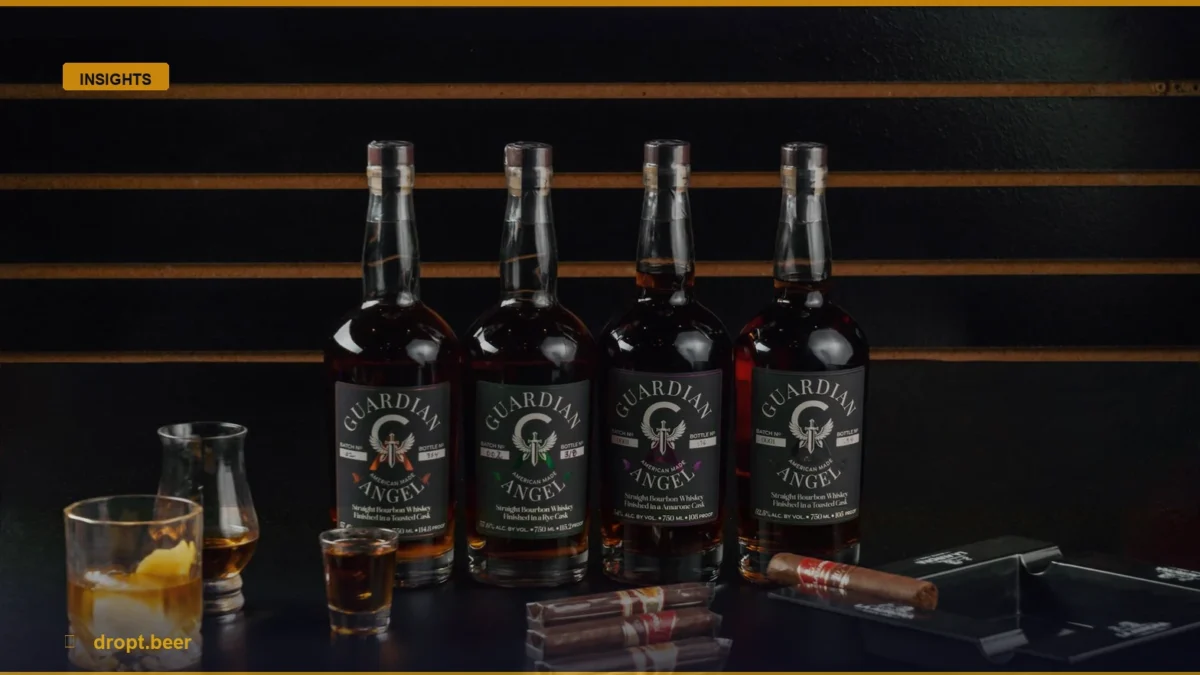
Not all whiskies want to dance with the same ginger ale. It’s a matter of finding the right dance partner. If you’re pouring a high-rye bourbon—something with that signature peppery, baking-spice profile—you have a natural ally. The rye grain acts as a bridge to the ginger, creating a cohesive, integrated flavor. It’s not just two things in a glass; it’s a singular, spicy experience.
For those who prefer a smoother, wheated bourbon, the ginger ale serves a different purpose. It provides the crisp, acidic backbone that the spirit lacks. The wheat gives you a soft, bread-like sweetness, and the ginger acts as the sharp counterpoint that keeps the drink from feeling heavy or flat. I’ve found that even a punchy, grain-forward blended Irish whiskey—like a Powers or a Jameson Black Barrel—sings when paired with a dry-style ginger ale. The key is to avoid anything with vanilla-heavy notes in the mixer, as they’ll only muddle the natural vanillins present in the charred oak of your whiskey barrel.
The Physics of the Perfect Pour
Let’s talk about the glass and the ice. It’s an area where most home bartenders fail before they even open the bottle. A flat ginger ale will make your whiskey taste like lukewarm cough syrup, regardless of how expensive your spirit is. The carbonation is the lifeblood of the drink. It lifts the heavier aromatics of the whiskey to your nose. If your mixer has been sitting open in the fridge for three days, you’ve already lost the battle.
Use dense, fresh ice. If you’re using the hollow, cloudy cubes from a standard freezer tray, you’re introducing too much water into the glass, too quickly. You want a slow, controlled dilution. Fill your tall glass to the absolute brim. The more ice you have, the slower it melts, and the longer your drink stays at that crucial, crisp temperature. If you treat the highball with the same respect as a stirred cocktail, you’ll find that it offers a depth of character you never imagined.
The Essential Finishing Touch
There is one final step that separates a drink you make out of desperation from one you make out of intent. It’s the lime. A heavy squeeze of fresh lime juice isn’t just a garnish; it’s the secret weapon that ties the entire operation together. The acidity from the lime cuts through the remaining sweetness and highlights the brightness of the ginger. It provides a zesty, citrus-forward finish that cleanses the palate, preparing you for the next sip.
Next time you’re at the bar or stocking your home shelf, skip the generic sodas. Look for dry, spicy ginger mixers—brands like Fever-Tree or local craft options that emphasize the root. Pair them with a quality whiskey, plenty of ice, and that crucial squeeze of fresh lime. When you get it right, you’ll see why this combination has survived for generations. For more insights on how to elevate your home bar, keep reading dropt.beer.