Quick Answer
To master beer and rum drinks, match the weight of the spirit to the intensity of the malt. Use grassy white rums with crisp pilsners and heavy, high-ester aged rums with imperial stouts or porters.
- Keep your pour ratio to 15-20ml of rum per 330ml of beer to maintain the drink’s balance.
- Always chill your glass and pour the rum first to ensure proper integration without killing the carbonation.
- Avoid mixing light, delicate lagers with high-proof, funky rums that will strip away the beer’s nuance.
Editor’s Note — Callum Reid, Deputy Editor:
I’ll be blunt about this: most “beer cocktails” are a crime against both the brewer and the distiller. Dumping a cheap, spiced rum into a fine craft beer is an act of vandalism, not mixology. I firmly believe that if you aren’t respecting the base malt profile, you’re just making a sweet, flat mess. Olivia Marsh gets this better than anyone; she understands that packaging and ingredients are a marriage, not a collision. If you want to stop wasting good liquid, pay close attention to her rules on gravity and ester profiles. Go grab a bottle of proper aged rum and a stout, and get to work.
The smell of a fresh pint of imperial stout is unmistakable—burnt coffee, dark chocolate, and a faint, lingering sweetness from the roasted barley. Now, imagine introducing a splash of Jamaican overproof rum to that glass. The room fills with the scent of overripe pineapple and toasted coconut. It’s an aggressive pairing, but when done right, it works. It’s not just about getting more alcohol into your system; it’s about pulling out the hidden complexities in both the cane and the grain.
The truth is that beer and rum aren’t enemies. They’re two sides of the same fermentation coin. If you want to move beyond the “depth charge” era of college parties, you need to treat the rum as a seasoning rather than a base. My thesis is simple: a beer cocktail should amplify the brewer’s intent, not mask it under a layer of sugar. If you can’t taste the beer, you’ve already lost.
The Physics of the Pour
Most home bartenders ruin their drinks before the first sip because they don’t respect the carbonation. You’ve likely seen someone pour a shot into a full pint glass and watch in horror as the head erupts and vanishes. This happens because the alcohol and the lack of nucleation points in a dirty glass cause an immediate loss of CO2. According to the BJCP guidelines, the carbonation level is a defining characteristic of a beer’s mouthfeel. When you strip that away, you’re left with a flat, syrupy beverage that feels heavy on the palate.
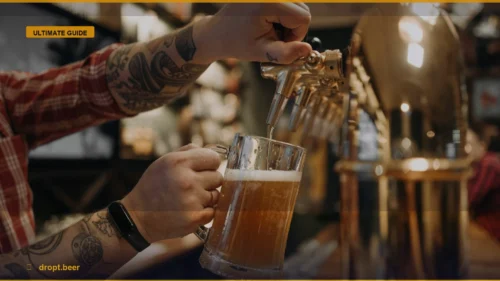
The fix is simple. Chill your glass, but don’t freeze it. Pour your bitters or syrups, then your rum, and then slowly tilt the glass to introduce the beer. This keeps the head intact and allows the aromatics of the rum to sit right at the top of the glass, greeting your nose before the liquid hits your tongue. You are building a layered experience, not a bucket of booze.
Matching Intensity with Gravity
Think about the weight of the liquid. A light, crisp pilsner is delicate. It relies on noble hops and a clean fermentation profile. If you add a heavy, molasses-rich dark rum here, you’ve effectively destroyed the beer. The sugar will overpower the subtle floral notes, and you’ll be left with something that tastes like a poorly made rum punch. For these lighter beers, stick to white rums—specifically those with a grassy, agricultural profile like a Rhum Agricole.
On the other end of the spectrum, you have your stouts and porters. These beers are built for the heavy hitters. The roasted malts can stand up to the funk of a high-ester Jamaican rum or the vanilla and oak notes of a long-aged Bajan spirit. If you’re drinking a beer from a brewery like Sierra Nevada or a local craft favorite known for their darker offerings, don’t be afraid to experiment with barrel-aged spirits. The wood-on-wood contact creates a harmony that makes the beer feel deeper, richer, and more satisfying.
The Rule of Ratios
How much is too much? The Brewers Association often emphasizes the importance of balance in craft beer. When you introduce a spirit, you must apply the same logic. A half-ounce—about 15ml—is the gold standard for a 330ml bottle or can. Anything over an ounce begins to compromise the structural integrity of the beer. You want the rum to act like a spice rack, adding a hint of vanilla here or a touch of funk there.
If you’re using a rum that’s over 50% ABV, scale back even further. These high-proof spirits are designed to pack a punch, and they will dominate the room if you aren’t careful. Remember, the goal isn’t to create a cocktail that hits you like a freight train; it’s to create a drink that makes you pause and consider the combination of flavors. Use a jigger. Don’t eyeball it. Precision is the difference between a refined drink and a wasted pint.
Final Thoughts on Modern Mixology
The best beer cocktails are the ones that feel intentional. When you reach for that rum, think about what you want to highlight. Do you want to bring out the chocolate notes in a porter? Use a rum with notes of coffee or tobacco. Do you want to brighten a wheat beer? Use a citrus-forward white rum. It’s all about the interplay of flavors.
Next time you’re at your home bar, try a simple experiment. Take two different rums and two different beers. Spend an hour tasting them in small portions. You’ll learn more about flavor profiles in that hour than you would reading a dozen books on the subject. Keep an eye on dropt.beer for more guides on how to elevate your drinking experience through thoughtful, expert-led experimentation.
Frequently Asked Questions
Does the type of rum really matter when mixing with beer?
Yes, it is the most important factor. White rums offer floral and grassy notes that suit lighter beers like pilsners or wheat ales. Dark, aged, or high-ester rums bring vanilla, oak, and funk, which are necessary to stand up to the heavy malt profiles found in stouts and porters. Using the wrong style will result in a cloying or metallic flavor.
How do I prevent the beer from going flat?
Flatness is usually caused by excessive agitation or dirty glassware. Always pour your rum into the glass before the beer. Tilt the glass at a 45-degree angle when pouring the beer to preserve the carbonation. Avoid stirring vigorously; a gentle swirl is all that is required to integrate the ingredients without destroying the head.
Is there a standard ratio for beer and rum drinks?
Stick to a ratio of 15ml to 20ml of rum per 330ml of beer. This keeps the alcohol-by-volume (ABV) manageable and ensures that the spirit enhances the beer’s flavor profile rather than overwhelming it. If you use more than 30ml, you are effectively turning the beer into a mixer for a rum cocktail.
Should I use spiced rum in beer cocktails?
Avoid spiced rums whenever possible. They often contain artificial sweeteners and heavy spice flavorings that clash with the delicate chemical balance of the beer. Instead, choose a high-quality aged rum that derives its flavor from the barrel and the distillation process. This provides a natural, sophisticated bridge to the beer’s own malt-derived sweetness.