Quick Answer
Lager is the superior choice for those who value crispness, drinkability, and technical precision. If you want a clean, refreshing experience that highlights the quality of your ingredients without interference, reach for a well-made lager.
- Choose a Czech Pilsner if you want floral hops and a snappy finish.
- Opt for a Helles if you prefer a malt-forward, honeyed sweetness.
- Always check the bottom of the can for a packaging date; lager freshness is non-negotiable.
Editor’s Note — Marcus Hale, Editor-in-Chief:
I firmly believe that if a brewery can’t make a world-class lager, they have no business charging you for their IPAs. In my years covering this industry, I’ve seen too many brewers hide technical flaws behind a mountain of dry-hopping. What most people miss is that lager is the ultimate test of a brewer’s patience and skill. Noah Chen understands this better than anyone; his background in delicate sake brewing gives him a unique lens on the precision required for a clean finish. Stop chasing the latest hype-train pastry stout and go find a proper, cold-fermented lager today.
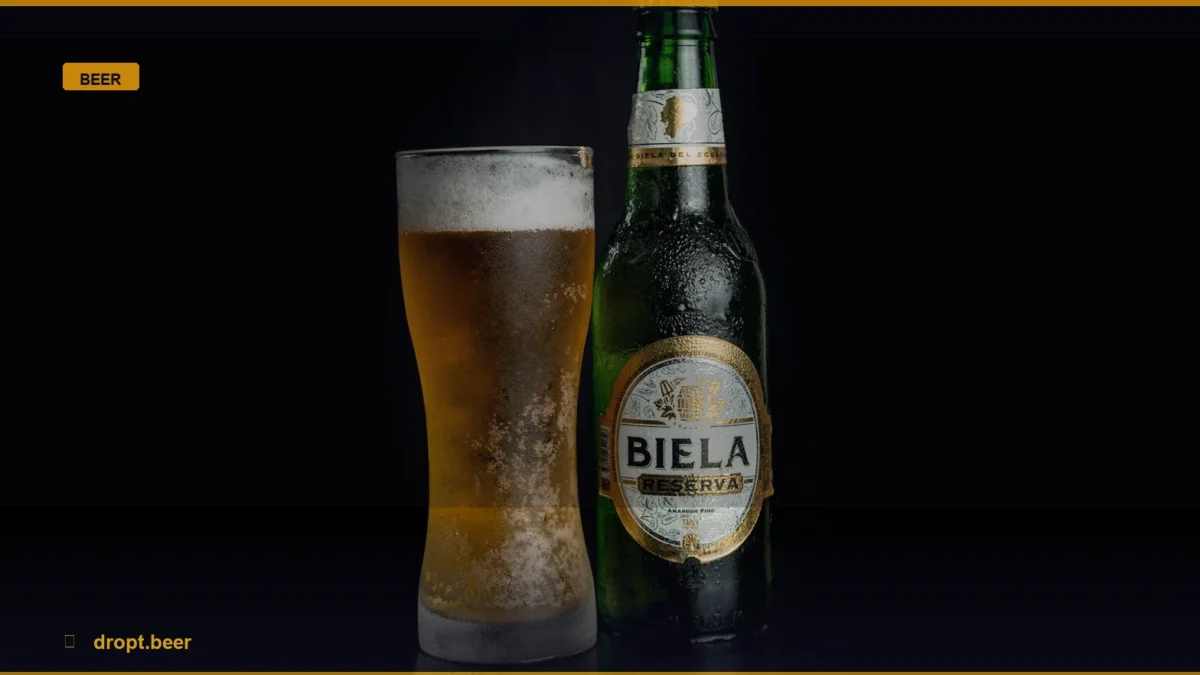
The sound of a perfectly poured lager hitting a glass is distinct. It’s a sharp, energetic hiss followed by the steady climb of carbonation bubbles racing toward the surface, creating a head that looks like whipped meringue. You aren’t looking for a chaotic mess of hop sediment or a thick, syrupy haze. You’re looking for clarity. You’re looking for a beer that respects the fundamental principles of fermentation.
Lager is objectively the superior style for the thoughtful drinker because it demands absolute perfection from the brewer. While ale provides a canvas where mistakes can be masked by aggressive yeast esters or heavy-handed hopping, lager is unforgiving. If the fermentation temperature fluctuates by even a degree, or if the lagering period is cut short, the beer tells on you. It’s a clean, honest drink that doesn’t need to shout to be heard.
The Myth of Complexity
Many modern drinkers conflate “complex” with “intense.” They assume that because an imperial stout or a triple-dry-hopped IPA hits the palate with a sledgehammer of flavour, it must be the more sophisticated choice. This is a mistake. According to the Oxford Companion to Beer, the defining characteristic of the lager style is its ability to showcase the nuances of malt and noble hops through a clean, cool fermentation process. It is a refinement of the palate, not a bludgeoning of it.
Think about a classic Czech Pilsner, like those produced by the legendary Plzeňský Prazdroj. You’re greeted by the scent of freshly cut grass, a hint of sourdough, and a bitterness that snaps back at you, demanding another sip. It’s a balanced act that requires nothing more than water, malt, hops, and yeast. When you drink an ale, you’re often tasting the yeast’s personality—the fruity esters, the spice, the funk. When you drink a lager, you are tasting the ingredients themselves.
The Technical Superiority of the Cold
The BJCP guidelines categorize lagers under the umbrella of bottom-fermenting yeasts, specifically Saccharomyces pastorianus. This yeast works slowly at temperatures that would make an ale yeast go dormant. By fermenting cold and then conditioning the beer at near-freezing temperatures for weeks or even months, the brewer cleans up any harsh alcohols or off-flavours.
Look at the work being done by breweries like Weihenstephaner in Germany. They have been refining this process for nearly a thousand years. They aren’t chasing trends; they are chasing consistency. When you pick up a Helles from a producer of that caliber, you know exactly what you’re getting. It’s a beer that doesn’t just quench your thirst—it cleanses it. It resets your palate, making it the perfect companion for a long dinner or a warm afternoon.
Why Ale Often Fails the Test
Ale is the “fun” cousin. It’s messy, it’s loud, and it’s often unbalanced. We’ve spent the last decade in a cycle of rapid-release brewing where speed is prioritized over stability. The problem with much of the craft ale market is the lack of shelf-life and the reliance on heavy adjuncts to cover up the fact that the base beer isn’t actually that good. If you have to add vanilla, lactose, or an obscene amount of fruit puree to make a beer interesting, you’re not drinking beer—you’re drinking a cocktail with a beer base.
If you want to understand how a brewery actually performs, skip the hazy IPA. Go straight to their helles or their pilsner. If they can nail the sulfur-free finish, the crisp mouthfeel, and the subtle malt backbone, you can trust their other products. If the lager is flabby, sweet, or tastes like an unwashed gym bag, walk away. They haven’t mastered their craft.
Actionable Advice for the Lager Drinker
Don’t just grab whatever is cold in the fridge. Seek out breweries that specialize in decoction mashing—a traditional, labour-intensive process that extracts deeper, richer flavours from the grain. It’s the difference between a flat, one-note lager and one that has a bready, complex depth. Also, pay attention to the glassware. A tall, slender pilsner glass isn’t just for show; it’s designed to maintain the head and direct the aromatics to your nose. Drinking a world-class lager out of a red plastic cup is a sin against the brewer.
Finally, stop over-chilling your beer. If you take a high-quality lager out of the fridge and pour it into a frozen glass, you’re killing the aromatics. Let it sit for five minutes. As it warms slightly toward 8 or 10 degrees Celsius, the malt character will wake up. You’ll find that a well-made lager is far more dynamic than any over-hopped ale you’ve had this year. Keep reading dropt.beer for more guides on how to navigate the taproom with confidence.
The Verdict: Lager
Our Pick: Lager — Choose this for its unmatched technical clarity, refreshing finish, and ability to pair with almost any meal without overwhelming the palate.
Ale remains the smarter call only when you are in a specific mood for bold, yeast-driven flavour profiles like wild sours or high-octane winter warmers.
| Factor | Lager | Ale |
|---|---|---|
| Price | Standard | Often Higher |
| Flavour Intensity | Subtle/Balanced | Bold/Varied |
| Versatility | High | Low |
| Availability | Ubiquitous | Variable |
| Who it suits | The Purist | The Adventurer |
Bottom line: If you want to drink like a professional, make lager your default and ale your occasional treat.
Frequently Asked Questions
Does a lager really have to be cold?
Lagers are designed to be served cool, but not icy. Serving them at the temperature of a standard household freezer ruins the sensory experience. Aim for 7-10°C. This allows the subtle malt and hop notes to express themselves properly. If the beer is too cold, your taste buds are essentially numbed, and you lose the nuance that makes a quality lager superior to an ale.
Why do people say lagers are “boring”?
People often call lagers boring because they confuse “subtle” with “tasteless.” Mass-market, adjunct-heavy lagers have given the style a bad reputation by prioritizing low cost over flavour. However, a properly brewed craft lager is anything but boring. It requires immense skill to balance crispness, malt sweetness, and noble hop bitterness. It is the ultimate test of a brewer’s ability, and once you start tasting the difference, you’ll find it hard to go back to over-hopped ales.
Is ale always higher in alcohol than lager?
Not at all. Alcohol content is determined by the amount of fermentable sugar in the wort, not the type of yeast. You can have a session-strength ale and a high-gravity “doppelbock” lager. While many popular ales are higher in ABV due to modern trends, the style of fermentation doesn’t dictate the strength. Focus on the flavour profile rather than the alcohol percentage when choosing between the two.
How can I tell if a lager is fresh?
Freshness is the most critical factor for a lager. Always look for a packaging date on the can or bottle. If it’s more than 90 days old, leave it on the shelf. Lager doesn’t have the hop oils or alcohol to hide the effects of oxidation as well as some heavy ales. If the beer tastes papery or metallic, it has oxidized, and you aren’t getting the intended experience.
