Quick Answer
A true Manhattan mocktail succeeds by prioritizing the intense spice and viscous mouthfeel of non-alcoholic rye alternatives over sugary fruit juices. The best version uses a high-quality NA spirit base, a reduction of black tea or de-alcoholized wine for tannins, and traditional aromatic bitters to bridge the gap.
- Use a dedicated NA rye spirit, not just spiced syrup.
- Replace vermouth with a tea-based reduction for authentic bitterness.
- Always stir—never shake—to maintain the drink’s silky, luxurious texture.
Editor’s Note — Fiona MacAllister, Editorial Director:
I am of the firm view that the non-alcoholic category has spent too long chasing ‘sweet’ and not nearly long enough chasing ‘structure.’ Most mocktails are glorified fruit punch masquerading as cocktails, which is an insult to anyone with a refined palate. If you want a drink that commands the room, you need bitterness, tannins, and a heat that feels earned, not added. Isla Grant’s research here is exceptional because she treats the de-alcoholized spirit with the same scrutiny as a 20-year-old single malt. Stop settling for sugar-water and start building drinks with actual backbone; go find a bottle of Lyre’s or similar and follow Isla’s lead.
The Architecture of Absence
The scent of a proper Manhattan is unmistakable—a sharp, woody inhalation of rye spice, dark cherry, and that unmistakable, medicinal hum of Angostura. When you remove the ethanol, you aren’t just subtracting a buzz; you’re removing the solvent that carries those volatile aromatics to your nose. Most people approach the non-alcoholic Manhattan as a math problem, subtracting the booze and filling the void with whatever juice or syrup is closest to hand. This is a mistake. The result is inevitably a sticky, cloying mess that tastes more like a melted popsicle than a classic cocktail.
The Manhattan is built on tension. It is a drink of bitter-sweet friction. If you’re going to recreate it without the alcohol, you have to find a way to replicate that structural integrity. It isn’t about hiding the lack of booze; it’s about highlighting the botanical intensity of the substitutes. You need a base that doesn’t just mimic the colour of rye, but provides that essential, peppery sting on the back of the palate.
The Anatomy of a Mock Manhattan
According to the BJCP guidelines, the classic Manhattan is defined by its balance of American whiskey and sweet vermouth. When we strip away the spirit, we lose the viscosity. To fix this, you need to be precise. Start with an NA spirit that uses capsaicin or ginger extract to provide heat—if it doesn’t burn slightly, it isn’t a Manhattan. It’s just a soft drink.
The vermouth substitute is where most home bartenders fall flat. Avoid pomegranate juice or agave, which lack the botanical complexity required. Instead, try a cold-brewed Lapsang Souchong tea or a concentrated black tea reduction. These provide the tannins that the vermouth would normally contribute. When you mix this with a high-quality NA rye, you achieve that dry, sophisticated finish that keeps the drink from becoming a chore to finish.
The Ritual Matters
You’ll notice that I never mention a shaker. A Manhattan is a stirred cocktail. It’s meant to be clear, cold, and silk-smooth. When you shake a drink that lacks the emulsifying properties of high-proof spirits, you risk aerating it in a way that feels thin and watery. Stirring with large, dense ice cubes—the kind that don’t melt the second they touch the glass—is the only way to achieve the proper texture.
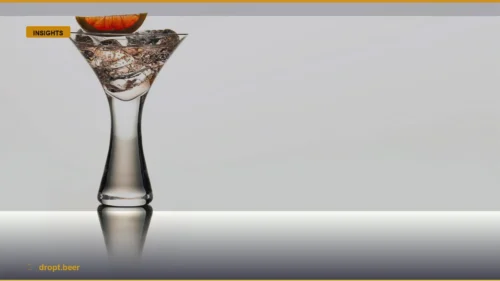
Think about the glass. A chilled coupe is non-negotiable. The temperature of the vessel dictates the way the aromatics are released as you lift the glass to your lips. If you’re at a bar that treats their NA menu as an afterthought, bring your own bitters if you have to. A few dashes of a high-quality aromatic bitter, like those from The Bitter Truth, can transform a mediocre drink into a legitimate experience. It’s the difference between a glass of juice and a proper aperitif.
Why We Drink
We drink for the ritual as much as the effect. The act of pouring, stirring, and garnishing is a signal to your brain that the workday is over. It’s a psychological anchor. When you choose a well-constructed Manhattan mocktail, you aren’t depriving yourself. You’re choosing to participate in the culture of drinking with intention. You’re still engaging with the smell of orange oil, the visual appeal of a deep-ruby liquid, and the meditative pace of a slow sip.
Don’t be afraid to experiment with your garnish. A maraschino cherry is standard, but a zest of grapefruit or a sprig of rosemary can draw out the botanical notes in your NA spirit. The goal is to make a drink you’d be proud to serve to a guest, regardless of their blood alcohol content. Head over to the dropt.beer archives for our guide on selecting the right glassware, then clear some space in your freezer and get to work.
Frequently Asked Questions
Are bitters really non-alcoholic?
Technically, bitters contain alcohol, but the amount used in a standard recipe is so minuscule that it is considered negligible. If you are strictly abstaining for medical or religious reasons, look for glycerin-based bitters, which are entirely alcohol-free and offer similar aromatic profiles.
Why shouldn’t I shake a Manhattan mocktail?
Shaking aerates the liquid, which is fine for citrus-based drinks but disastrous for spirit-forward ones. Stirring preserves the silky, viscous texture that gives a Manhattan its signature mouthfeel. Shaking will make your drink thin, cloudy, and overly diluted.
What is the best way to replace the ‘burn’ of rye whiskey?
Look for non-alcoholic spirits that utilize capsaicin (from chili), ginger, or peppercorn extracts. These ingredients create a physical sensation of heat on the palate that mimics the burn of high-proof rye, preventing the drink from feeling like a flat, sugary juice.
How long should I stir the drink?
Aim for 30 seconds of consistent, smooth stirring. This ensures the drink reaches the ideal temperature and achieves the perfect level of dilution. If the glass doesn’t feel frosty to the touch, you haven’t stirred long enough.