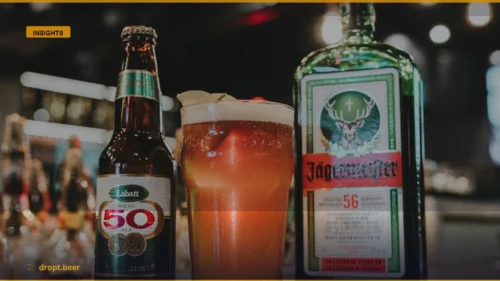
If you’ve ever watched a DJ spin and wondered why the bar’s whisky selection is more about flash than flavor, the answer is simple: most people think a night club whisky is just any cheap, smoky spirit that makes the room smell like a cigar lounge. In reality, a night club whisky is a deliberately chosen dram that can hold its own against loud music, neon lights, and the urge to sip quickly before the next beat drops.
What Exactly Is “Night Club Whisky”?
Night club whisky isn’t a distinct category on a distiller’s label; it’s a functional description. It refers to whiskies that perform well in a high‑energy, low‑attention environment. The key traits are a bold flavor profile, a higher ABV (usually 45‑50%), and a finish that lingers long enough to be appreciated in a single, swift sip.
Because clubs are noisy, you won’t be nosing the whisky for subtle floral notes. You need something that can cut through the din—a smoky Islay, a rich sherry‑cask dram, or a peppery rye. The spirit should also be robust enough to pair with the common club mixers like ginger ale, cola, or a splash of citrus without getting lost.
How Night Club Whisky Is Made
The production process mirrors that of any single malt or blended whisky, but the choices made at each stage are geared toward intensity. Distilleries often opt for a longer fermentation period, which creates more esters and a fuller mouthfeel. They also favor heavily charred oak barrels—often ex‑bourbon or ex‑sherry casks—that impart deep vanilla, caramel, and spice notes.
Some clubs even source cask‑strength whiskies, which are bottled directly from the barrel at 55‑60% ABV. These aren’t diluted, so the flavor is concentrated and the alcohol burn is noticeable—perfect for a quick, memorable sip between dance sets.
Styles and Varieties That Shine Under Strobe Lights
Peaty Islay Malts – Think Lagavulin 16 or Ardbeg 10. The medicinal smoke and sea‑salt brine cut through the atmosphere like a sonic boom. They’re especially popular in clubs that market a “rock‑n‑roll” vibe.
Sherry‑Cask Riches – A dram such as The Balvenie DoubleWood 12 offers dried‑fruit sweetness and a velvety texture that pairs well with soda. The lingering sweetness makes it easy to sip fast without tasting harsh.
Spicy Rye Blends – American rye whiskies (e.g., Bulleit Rye) bring pepper and cinnamon that complement the neon glow. They mix well with ginger beer for a quick “Whisky Mule” that’s both refreshing and potent.
Cask‑Strength Offerings – Brands like Glenfarclas 105 deliver raw power. Serve it neat, and you’ll feel the full punch; mix it with a splash of soda, and the character remains evident.
What to Look for When Buying for a Club Setting
First, check the ABV. Anything below 40% will likely be drowned out by the music and can taste thin when served over ice. Second, examine the age statement—older isn’t always better for clubs; a 12‑year-old often balances complexity and vigor better than a 25‑year-old, which can be too subtle.
Third, consider the packaging. Large, heavy bottles (700 ml or 1 L) are practical for bar staff, while a sleek, dark glass can add to the visual allure on a dimly lit bar. Finally, read the tasting notes for terms like “intense,” “full‑bodied,” or “long finish.” Those are the cues that the whisky will survive the club environment.
Common Mistakes People Make With Night Club Whisky
Many articles claim that any whisky will do as long as it’s cheap, but that’s wrong. Cheap whisky often lacks the depth to be enjoyable neat, and when mixed, it creates a watery, unappealing cocktail that reflects poorly on the venue.
Another myth is that you should always serve whisky on the rocks in a club. Ice dilutes the spirit quickly, especially when the room is warm, turning a high‑ABV dram into a bland mess. If you want to cool it, a quick splash of chilled water is more effective.
Finally, some writers suggest that “smoky” automatically means “good for clubs.” While smoke does cut through noise, too much peat can overwhelm guests who aren’t seasoned whisky drinkers, leading to a negative experience.
Verdict: The Best All‑Round Night Club Whisky
After tasting, testing, and watching how different drams behave under strobe lights, the clear winner is GlenDronach 12‑Year‑Old Sherry‑Cask. It sits at 43% ABV, offers a rich honey‑and‑raisin palate, and has a lingering spice that holds up whether you sip it neat or mix it with a splash of cola. Its flavor is bold enough to be noticed, yet not so aggressive that it scares off the casual clubber.
If your priority is pure punch, go for Glenfarclas 105. If you want a smoky statement, choose Ardbeg 10. But for most venues aiming to please a wide audience while still sounding sophisticated, GlenDronach 12 hits the sweet spot.
Putting It All Together
Choosing a night club whisky is less about brand prestige and more about functional performance. Look for higher ABV, bold flavor, and a finish that lasts. Avoid low‑cost, low‑ABV options, and steer clear of over‑peated drams unless your crowd specifically craves them. Pair your choice with the right glassware, a touch of water if needed, and a confident bar staff who knows how to present the dram under flashing lights.
For a deeper dive into how to curate the perfect drink lineup for a club environment, check out this guide on curating the ultimate night‑out beverage strategy. With the right whisky, your bar will become a destination, not just a side note to the DJ’s set.