Choosing Between a Night Club vs Bar
If you prioritize conversation, intimacy, and high-quality liquid, choose a bar. If your goal is high-energy dancing, loud music, and a scene where the environment dictates your movement, the night club is your destination.
Understanding the difference between a night club vs bar goes beyond just how loud the speakers are or whether there is a cover charge. At its core, this is a question of intent. Do you want to engage with your companions and the staff, or do you want to lose yourself in a crowd? Knowing where you stand on this spectrum ensures you don’t end up shouting into a friend’s ear at a dive bar or awkwardly standing against a wall in a club with no place to sit.
A bar is designed for consumption as a social lubricant. It is centered around the counter, the bartender, and the ritual of pouring. Whether it is a craft beer hall or a neighborhood pub, the architecture forces people to face each other or the staff. A night club, conversely, is designed for kinetic energy. The bar in a night club is often an obstacle to be overcome to get back to the dance floor, and the staff is trained for speed rather than conversation.
The Common Misconceptions
Most articles on the web treat the night club vs bar debate as a matter of price or age. They suggest that bars are for older people on a budget, while night clubs are for the young and wealthy. This is fundamentally wrong. I have walked into dive bars in cities like Berlin or Tokyo where the energy was far more intense than any commercial nightclub, and I have sat in exclusive, high-end nightclubs that felt like a quiet library until 2:00 AM.
Another common mistake is assuming that volume is the only differentiator. There are plenty of loud bars with live music that are still fundamentally bars because the primary focus remains on the drink and the table. Conversely, some small-capacity clubs play music at a reasonable volume but are still clearly defined as clubs because they have a dance floor-first layout and a strict door policy.
Many people also think that the distinction relies solely on the dress code. While it is true that clubs often impose stricter rules to curate a specific look, the clothing is a symptom of the environment, not the cause. If you go to a dive bar wearing a suit, you might look out of place, but you will still be served. If you go to a high-end club in sandals, you are denied entry because your presence disrupts the desired social aesthetic of the space. The difference is the priority of the venue: the bar serves the guest, whereas the club serves the atmosphere.
The Anatomy of a Bar
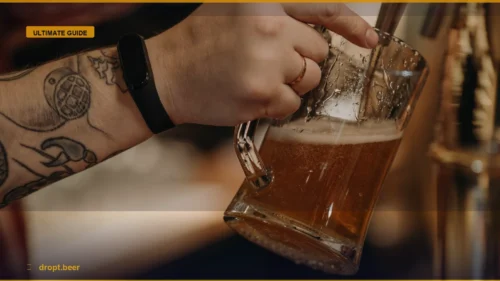
A true bar focuses on the experience of the drink. When you look at a craft beer spot, the layout is specifically meant to highlight the tap list. You are supposed to admire the glassware, talk to the bartender about the brewing process, and appreciate the nuances of the liquid. The seating is usually arranged in clusters or along the bar top to facilitate long-form dialogue.
If you are trying to find the right spot for your night out, look for the sightlines. If you can see the whole room and feel comfortable keeping your coat on, you are likely in a bar. Bars are built for longevity; you can spend four hours in a booth without feeling like you are holding up the line. This is where you go to actually hear your friends tell a story without needing a megaphone.
From a business perspective, bars often rely on high-margin, consistent pours. This is why you see so much focus on rotating handles and curated spirits. The staff at a quality bar are often hobbyists themselves, people who care about how a stout hits the palate or how a rye whiskey interacts with bitters. If you are a fan of the drinking lifestyle and the nuance of craft production, the bar is your sanctuary.
The Anatomy of a Night Club
A night club is an immersive environment where the architecture is intentionally restrictive. You are meant to stand, dance, and move. The bar in these venues is usually a high-traffic zone where efficiency is the only metric that matters. Do not expect to discuss the hop profile of your IPA while the DJ is dropping a heavy bass track; the environment is simply not built for it.
Clubs use lighting, sub-bass frequencies, and crowd density to manufacture a specific psychological state. You aren’t there to analyze a drink; you are there to be part of a collective experience. The drinks in a night club are often functional—they are designed to be served quickly and consumed while standing. This is why you see so many clubs pushing high-volume cocktails or bottled beers. It keeps the line moving.
If you are looking for the best beer marketing company, you would notice that they rarely target nightclubs for craft education. Nightclubs are about volume and movement. When you choose a night club, you are buying into a performance. The value proposition is the DJ, the sound system, and the people-watching. If you come for the drink quality, you will likely be disappointed. If you come to dance until the lights come on, you are in the right place.
The Verdict: Choosing Your Path
So, which one should you choose for your next night out? The verdict is simple: if you want to remember the conversation, go to a bar. If you want to forget everything else, go to a night club.
If you value the craft of the drink and the connection with your friends, your priority should always be the bar. It is a space where the alcohol is the protagonist. For the beer enthusiast, there is no contest. The bar provides the necessary quiet and the knowledgeable staff required to actually enjoy a complex beverage. You aren’t just paying for the alcohol; you are paying for the atmosphere of appreciation.
However, if you feel the need to burn off steam, to be surrounded by hundreds of people moving in unison, and to lose yourself in the rhythm, then the night club is the only logical choice. A bar will feel stagnant and boring to someone who has the itch to move. In the end, the night club vs bar choice comes down to whether you want to engage with your environment or participate in it. Choose wisely, because once you are through the door, the venue will demand that you play by its rules.