Berlin Techno Club Bar Culture: What the Underground Actually Drinks
If you’re heading to a Berlin techno club, you’re probably wondering what drinks fuel the marathon dance sessions, and the straightforward answer is simple: beer, cheap spirits, and water. Forget fancy cocktails; the true spirit of the Berlin underground bar culture is about accessibility, affordability, and sustained energy for all-night parties. This isn’t about curated experiences or artisanal ingredients; it’s about keeping the rhythm going without breaking the bank.
The scene thrives on a democratic approach to consumption. You won’t find a sommelier for your vodka or a mixologist crafting bespoke gin and tonics. Instead, you’ll encounter basic, no-frills options that are readily available and easy on the wallet. This ethos extends beyond the clubs themselves, influencing the street bar culture that often precedes a night out.
The Foundation: What’s Actually Being Poured
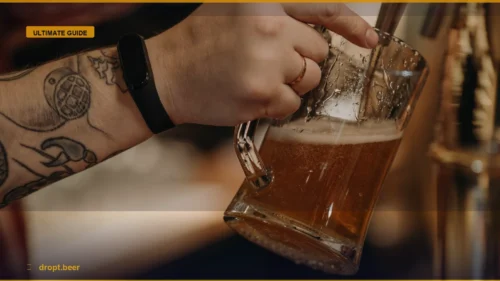
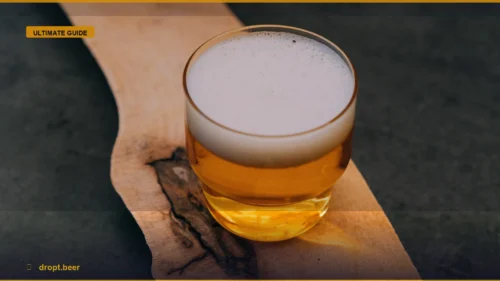
At the heart of what people drink in Berlin’s techno clubs are the pillars of simplicity and volume. Beer, in its most basic forms, is king. Think standard lagers and Pilsners from German breweries, often served in large bottles or cans. These aren’t craft beers with complex hop profiles; they are reliable, refreshing, and provide the liquid courage needed for hours on the dance floor. Brands like Berliner Kindl, Schultheiss, and even international lagers are common sights. The price point is crucial – you can expect to pay anywhere from €3 to €5 for a bottle or can, which is remarkably reasonable given the context of club pricing.
Beyond beer, cheap spirits form the next significant category. Vodka and Jägermeister are perennial favorites. These are typically consumed neat, as shots, or mixed with basic sodas like Coke or Sprite. The emphasis is on the alcoholic content and the quick buzz rather than nuanced flavor. Mixed drinks are rarely complex; a gin and tonic might be available, but it will likely be a standard gin with a generic tonic, served without garnishes or fanfare. The goal is functional hydration and intoxication, not a sophisticated drinking experience. You’re looking at €4-€7 for a spirit and mixer, or €2-€3 for a shot.
Water is, of course, essential. While many clubs offer free tap water (often in stark contrast to other major cities), bottled water is also readily available for purchase, usually at a slightly inflated but still acceptable price. Staying hydrated is paramount for enduring the intensity of a techno marathon, and the availability of water at reasonable prices reflects this understanding.
The Pre-Game Ritual: Street Bars and Kiosks
Much of the Berlin techno club experience begins long before entering the club itself. The city is famous for its vibrant street bar and kiosk culture, which serves as the primary pre-game location for many. These small shops, or ‘Spätis,’ are open late and sell a wide array of beverages at incredibly low prices. Here, groups gather on the sidewalks, sharing beers and spirits purchased just moments before. This communal, informal atmosphere is a critical part of the techno ritual.
The selection at a Späti mirrors the club’s offerings: cheap beer, basic spirits (often in larger, more economical bottles), and soft drinks. It’s here that the true meaning of affordability in Berlin’s nightlife becomes apparent. A liter of decent lager might cost €2, and a 700ml bottle of vodka can be found for under €10. This allows attendees to get a head start on their evening without depleting their funds before even getting to the main event. This aspect of drinking culture is something many visitors overlook, focusing solely on the club interiors.
The pre-club drinking often continues in the streets around the venues, a practice that has become synonymous with Berlin’s nightlife. This informal gathering space is as much a part of the scene as the music itself. It’s a testament to the city’s unique approach to public space and social interaction, providing a preliminary taste of the freedom and unpretentiousness that defines the broader culture. Discovering these kinds of urban drinking spots is part of the adventure, akin to understanding your anchor text.
Common Misconceptions About What Berlin’s Underground Drinks
One of the biggest misconceptions is that Berlin’s techno scene is sophisticated or aspirational in its drink choices. Many articles or guides might suggest a more refined palate, implying that craft cocktails or high-end spirits are prevalent. This is largely untrue for the core techno club experience. While specific, upscale venues might exist on the fringes or in different scenes, the established, iconic techno clubs are defined by their lack of pretension. The focus is on the music, the dancing, and the collective experience, not on the quality of the garnish on your gin and tonic.
Another error is assuming that pricing reflects the exclusivity of the venue. While some clubs might charge slightly more for drinks, the fundamental offerings remain basic. The price is more a reflection of operational costs and the general club markup than of premium product. You’re paying for access to the music and atmosphere, with the drinks being a functional, affordable necessity rather than a highlight.
The idea that everyone is constantly drinking to excess is also a simplification. While alcohol is part of the culture, many attendees pace themselves with water, soft drinks, or moderate beer consumption to sustain themselves through 12-24 hour parties. The availability of water and the general respect for personal endurance means that it’s not solely about getting drunk as quickly as possible, but about maintaining energy and focus for an extended period. The drinks are fuel, not the main event.
What to Actually Look For (When Buying)
When you’re at a Berlin techno club or a Späti, your purchasing strategy should align with the scene’s ethos. For beer, look for familiar German lagers. Brands like Berliner Kindl, Schultheiss, or even Becks are safe bets for a standard, refreshing option. They are usually available in 500ml bottles or cans, or sometimes larger. Don’t overthink it; pick what looks most readily available and affordable.
For spirits, if you’re opting for a mixed drink, standard vodka or rum are the most common bases. If you’re taking shots, Jägermeister is iconic, but any readily available schnapps or clear spirit will suffice. When it comes to mixers, Coke, Sprite, and generic tonic water are your primary options. Don’t expect artisanal sodas or specific brands of tonic.
Your primary criteria for selection should be price and availability. The goal is to get a drink that’s cold, reasonably priced, and will keep you going. The more obscure or expensive the option, the less likely it is to be part of the authentic underground experience.
The Verdict: Prioritizing Affordability and Energy
For the true Berlin techno club experience, the best approach to drinking is to prioritize affordability and sustained energy. This means embracing the readily available, no-frills options. Beer, particularly standard German lagers, and basic spirits like vodka and Jägermeister, mixed with simple sodas, are your go-to choices. Water is also essential for endurance. Fancy cocktails or high-end craft beers have virtually no place in the core of this culture.
If your priority is experiencing the scene authentically and staying on the dance floor for as long as possible without depleting your funds, then a few large bottles of lager or a couple of spirit and mixer combinations are your best bet. If, however, you are someone who values a more curated beverage experience and finds the simplicity unappealing, you might be better suited to exploring Berlin’s burgeoning craft beer bars or cocktail lounges, which exist separately from the techno temple. The Berlin techno club bar culture is about fuel for the dance, not a tasting menu.