The Local Quest: Why the “Best Brewery Near Me” is More Than Just a Map Pin
In the world of adult beverages, few phrases spark as much immediate joy and anticipation as searching for the “best brewery near me.” We’ve moved far beyond the days of settling for generic, mass-produced lagers. Today’s drinker is a connoisseur, an explorer seeking unique flavors, community vibes, and the freshest possible pint. The craft beer scene is thriving precisely because of this local focus, transforming forgotten industrial zones into vibrant, creative hubs.
But with thousands of breweries popping up globally, how do you sort through the average taps to find the truly exceptional local gem? This isn’t just about finding the closest place that serves beer; it’s about finding an experience that elevates your standard weekend routine. As an SEO strategist and content expert, I’m here to provide you with the actionable strategies necessary to pinpoint the next great brewpub or microbrewery in your immediate vicinity, focusing on quality, atmosphere, and the critical elements that define excellence.
Your SEO-Optimized Strategy for Discovering Local Craft Excellence
When you type that magic query into your phone, you are inundated with results. To find the *true* best, you need to look beyond the top-ranked ad and apply a deeper investigative lens.
Step 1: Decoding the Digital Footprint
While Google Maps and Yelp are great starting points, they only tell part of the story. The best breweries often maintain a strong presence on specialized beer-focused platforms (like Untappd or BeerAdvocate). Look for patterns:
- Consistency of High Scores: A few five-star reviews are easy to garner, but hundreds of consistent 4.0+ ratings across multiple platforms indicate sustained quality.
- Review Depth: Ignore reviews that simply say “Great beer!” Look for detailed critiques mentioning specific styles (e.g., “Their New England IPA had perfect hop saturation,” or “The Barrel-Aged Stout was complex but smooth”).
- Community Engagement: Do the owners respond to feedback? A taproom that listens and adapts is dedicated to the long haul.
Step 2: Assessing the Brewing Philosophy and Depth of Menu
The “best” brewery isn’t always the one with the most taps, but the one with the most thoughtful selection. True quality is revealed in the breadth and skill demonstrated across different styles.
Look at their core lineup: Is their flagship IPA technically perfect? How is their execution on classic lagers, which are notoriously difficult to brew flawlessly? Furthermore, check their seasonal and experimental offerings. A brewery willing to take calculated risks often has highly passionate and skilled brewers.
If you are interested in truly understanding the complexity behind a fantastic pint, exploring the process of brewing, or even deciding to make your own beer, you will start appreciating the skill involved in maintaining quality across varied styles.
Step 3: The Intangibles – Atmosphere and Experience
A brewery is more than just a place to consume alcohol; it’s a social destination. The best brewery near you must deliver on ambiance.
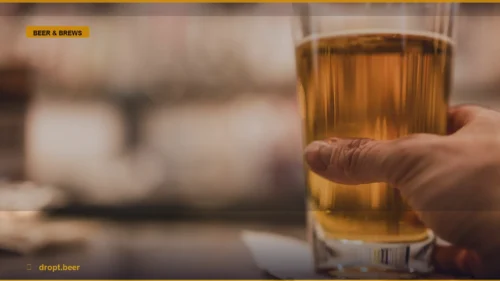
- The Pour and Presentation: Does the staff use appropriate glassware? Is the pour professional? Small details matter immensely.
- The Vibe Check: Is the atmosphere welcoming? Does it facilitate conversation? Are they dog-friendly or kid-friendly, depending on your needs?
- Food Pairing Options: Even if they don’t have a full kitchen, a great taproom will partner with local food trucks or offer carefully selected snacks that complement their brews.
The Value Proposition: What Separates Good Beer from a Great Brewery?
The difference often comes down to dedication to the local ecosystem and maintaining quality control from the grain silo to the glass.
Real-World Example: Quality Control
Consider the famous example of a small brewery that invested heavily in a high-tech canning line. While expensive, this investment ensured minimal oxygen pickup, preserving the delicate flavors of their IPAs for longer. This dedication, though invisible to the casual drinker, is why their canned product tasted identical to the draft served on site—a hallmark of true quality control.
This commitment extends beyond the taproom. For local breweries focused on maintaining quality while expanding their reach, specialized expertise is often required to grow your business with Strategies Beer, ensuring that expansion doesn’t compromise the craft ethos.
The Future of Finding the Best Brews
As consumer demand for variety and freshness increases, breweries are finding innovative ways to get their products into your hands. This often involves leveraging technology to improve logistics and reach beyond immediate geographic boundaries, ensuring easy access to unique releases, often facilitated through a modern beer distribution marketplace.
Actionable Checklist: Planning Your Local Brewery Visit
Before you head out, maximize your experience with these steps:
- Start with a Flight: Never commit to a full pint immediately. A flight allows you to sample 4–6 different styles and truly assess the breadth of the brewer’s talent.
- Engage the Staff: Ask the bartender or beertender what their current favorite is and why. They are your best resource for hidden gems on the menu.
- Check Event Listings: Local breweries frequently host trivia, live music, or release parties. Timing your visit to coincide with an event can elevate the entire experience.
- Bring Your Crowler/Growler: If you find a beer you love, support the brewery by taking some home, maintaining that hyper-local freshness.
Frequently Asked Questions (FAQs)
Q: How can I tell if a brewery is truly independent?
A: Look for the Brewers Association seal (often displayed on their website or packaging). This seal guarantees that the brewery is small, independent, and traditional, ensuring your money supports the local craft movement rather than a large corporate entity.
Q: What is the difference between a brewpub and a microbrewery?
A: A microbrewery primarily sells beer for distribution or on-site consumption, often without a full kitchen. A brewpub (or brewery restaurant) legally must sell a significant portion of its beer on-site and usually features a full menu cooked on the premises. Both can offer incredible quality, but the experience differs.
Q: Is it appropriate to bring outside food to a brewery?
A: If the brewery does not offer food, they often welcome outside food or food trucks. However, if they have an in-house kitchen, bringing outside food is considered poor etiquette. Always check their policy beforehand.
Conclusion: Your Next Great Beer Awaits
The search for the “best brewery near me” is a rewarding endeavor that connects you directly to passion, community, and genuine craftsmanship. By moving beyond basic search results and employing a critical eye for quality, consistency, and atmosphere, you are guaranteed to find your next favorite local spot. Now that you have the tools, stop reading and start exploring. That perfect, fresh pint is waiting just around the corner.