Quick Answer
You cannot purchase a single, custom-labeled can of Bud Light from the brewery, as their production scale prohibits micro-batch personalization. If you want a bespoke beer experience, you are better off commissioning custom labels from third-party printers for standard cans or sourcing personalized keg collars for events.
- Use custom sticker labels to transform standard cans for weddings or parties.
- Focus on glassware and koozies if you want a branded feel for your home bar.
- Look to local craft breweries for true collaborative, small-batch label runs.
Editor’s Note — Amelia Cross, Content Editor:
I firmly believe that the obsession with ‘custom’ branding on mass-market macro-lager is a symptom of a consumer base desperate to reclaim a sense of identity in a sea of sameness. While I respect the engineering behind a consistent American lager, I’ve always found the pursuit of a personalized Bud Light can to be a distraction from the actual liquid. What most people miss is that the true ‘custom’ experience isn’t found in a digital print-out; it’s found in the ritual of the pour. Daniel Frost has the rare ability to see through marketing gloss to the reality of the shelf. Stop chasing labels and start focusing on the glass you’re actually using.
The snap of an aluminum tab. That sharp, familiar hiss—it’s the sound of a Friday evening starting, or perhaps the end of a long, dusty afternoon in the backyard. You’re holding a cold can of Bud Light, and for a split second, you find yourself wondering if you could have your name, your wedding date, or your favorite team’s logo wrapped around that familiar blue and white design. It’s a modern impulse. We curate our playlists, we build custom sneakers, and we demand that our products reflect our personal brand. But when you look for “Bud Light Custom,” you hit a wall of industrial efficiency that isn’t interested in your individual identity.
The truth is, you shouldn’t bother trying to customize a macro-lager at the source. It isn’t just that the brewery won’t do it; it’s that the entire infrastructure of global beer production is built to prevent the very thing you want. If you’re hunting for a personalized drinking experience, you need to stop looking at the brewer and start looking at the way you present the beer itself. The value of a beverage isn’t in the corporate label—it’s in the context you create for it.
The Scale of Standardization
According to the Brewers Association’s data on production volume, the scale at which major brands operate is incomprehensible to the average craft drinker. When a facility produces thousands of cans per minute, stopping the line to swap out a sleeve or alter a label would cost more than a small brewery makes in a year. The BJCP guidelines define the American Light Lager by its consistency; it is designed to be the exact same product from Tallahassee to Tokyo. Customization is the antithesis of this consistency. When you demand a custom label from a titan like Anheuser-Busch, you’re asking them to disrupt a precision-engineered machine that feeds a global market. It isn’t going to happen.
However, the desire for personalization is valid. We all want our celebrations to feel like ours. The mistake is assuming that the brand needs to be the one to validate that. If you’re hosting an event, the most effective way to achieve a “custom” look is to embrace the aftermarket. Buy the standard product, then design your own adhesive labels. It’s a simple, actionable step that gives you the aesthetic you want without needing a partnership with a multinational corporation.
The Experience is Your Canvas
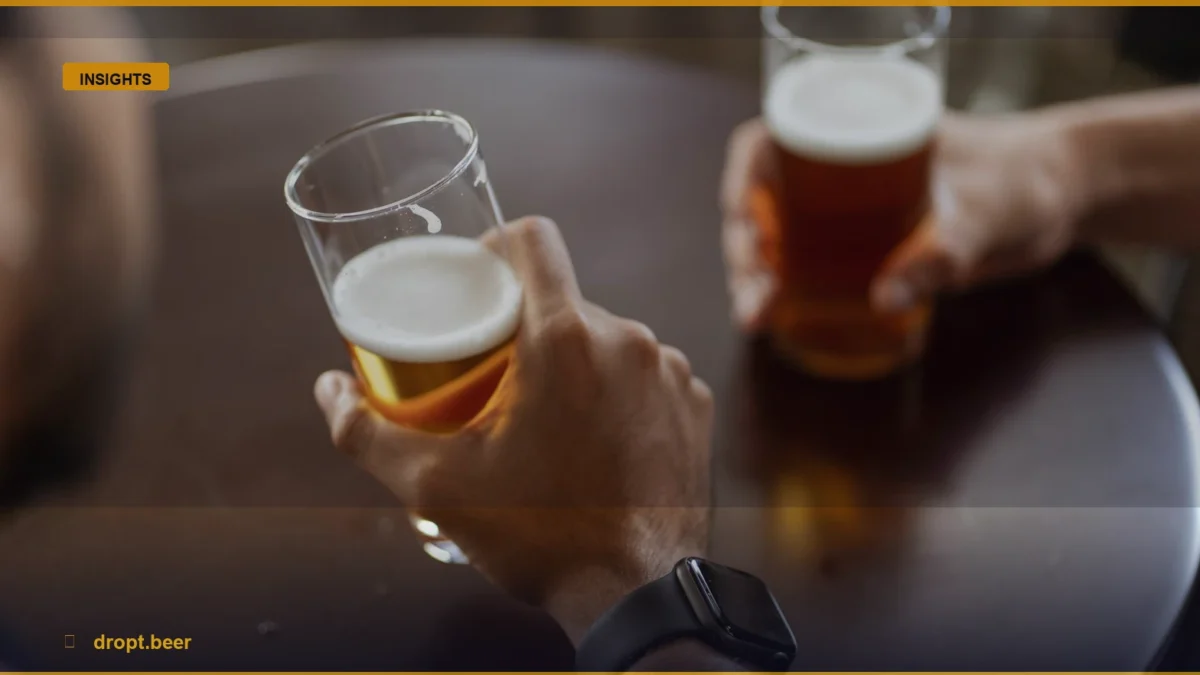
Think about the last time you were at a bar that actually felt special. Was it the logo on the tap handle, or was it the weight of the glass in your hand and the way the beer was served? The Oxford Companion to Beer emphasizes that serving temperature and glassware are the primary drivers of the quality of your drinking experience. A perfectly chilled glass, pulled from a freezer and filled with a crisp lager, feels far more “custom” and premium than a personalized can that’s been sitting in a lukewarm cooler.
If you’re truly committed to the idea of a custom beer, stop obsessing over the can and start obsessing over the serve. Invest in high-quality, branded glassware that reflects your personal taste. Or, if you’re hosting a wedding or a corporate function, look into custom-printed keg collars or tap handles. These items allow you to put your stamp on the event without compromising the integrity of the liquid inside. You aren’t changing the beer—you’re changing the environment where the beer lives.
When to Go Small
If you absolutely need a product that carries your name or your brand, look away from the macro-breweries and toward your local craft scene. This is where the industry actually works for the consumer. Many small, independent breweries are eager to collaborate on small-batch runs. They have the flexibility to design a custom label, and in many cases, they’ll even let you have a say in the style of beer being brewed. It’s a far more authentic way to get a “custom” product, and you’re supporting a local business in the process.
I’ve worked with several regional breweries to help them set up “private label” events for corporate clients. It’s a night-and-day difference from the industrial approach. You get a product that tastes unique, carries your story, and supports the local economy. It’s a win for the brewer, a win for the event, and a win for your palate. If you want a beer that feels like it was made for you, stop buying it from a shelf and start talking to the people who actually brew it. For more insights on building a better drinking culture, keep reading dropt.beer.
Frequently Asked Questions
Can I order custom-labeled Bud Light cans from the company?
No. Anheuser-Busch does not offer direct-to-consumer customization for individual orders. Their production lines are optimized for high-speed, uniform output. Any “custom” cans you see online are either the result of third-party sticker applications or large-scale, high-volume corporate contracts that are not available to the average consumer.
What is the best way to personalize beer for a wedding?
The most effective method is to purchase standard, high-quality beer and apply custom-designed, waterproof adhesive labels over the existing manufacturer labels. This allows you to maintain the quality of the beer while achieving the exact aesthetic you want for your event. Alternatively, focus on custom glassware, which serves as a memorable keepsake for your guests.
Do local breweries offer private label services?
Many independent craft breweries are happy to discuss private label or small-batch collaborations. This usually involves a minimum order for a keg or a set number of cases. It is a far more authentic way to get a truly custom product, as it supports local business and often allows for input on the beer style itself.
Why does the beer industry prioritize consistency over customization?
Consistency is the hallmark of professional brewing. For large-scale brands, the goal is to ensure that a beer purchased in one location tastes exactly like a beer purchased in another. Customization introduces variables that can compromise this consistency. Standardized production ensures food safety, flavor stability, and the cost-efficiency required to keep prices accessible for the mass market.
