Quick Answer
Yes, whiskey is flammable. Because it contains ethanol, any whiskey at or above 40% ABV will ignite when exposed to an open flame at room temperature.
- Keep all spirits away from open flames, pilot lights, and stovetops.
- Never pour directly from a bottle into a flaming pan or near a heat source.
- Store your collection in a cool, dark cabinet away from direct heat or sunlight.
Editor’s Note — Priya Nair, Features Editor:
I firmly believe that the kitchen is no place for theatrics unless you have the fire safety knowledge to back it up. We’ve all seen the dramatic flambé in movies, but in my years covering the intersection of spirits and culinary arts, I’ve seen enough singed eyebrows to know that most home cooks underestimate the volatility of high-proof whiskey. What most people miss is that the liquid isn’t burning—it’s the invisible, highly explosive vapor. Alex Murphy brings a practical, hands-on approach to this topic because he’s spent years mastering the chemistry of home brewing. After reading this, clear your bar cart away from that decorative candle.
The Smell of Vapor
There’s a specific, sharp scent that hits your nose when you uncork a bottle of high-proof bourbon in a warm room. It’s not just the oak or the corn; it’s the ethanol reaching out to you. If you were to hold a lit match just above the opening of that bottle, you’d see a flicker of blue-orange light dance before your eyes. It’s a moment of clarity that shifts your perspective on what’s actually sitting in your glass.
Whiskey isn’t just a drink; it’s a volatile chemical solution. My position is simple: if you’re going to handle spirits, you need to respect their nature as fuel. We often treat bottles like decorative art, but they are energetic compounds waiting for the right catalyst. Understanding the mechanics of fire isn’t just for distillers or professional bartenders. It’s for anyone who enjoys a drink at home.
Understanding the Flash Point
To grasp why whiskey burns, we have to look at the flash point. According to the Oxford Companion to Beer, ethanol is inherently volatile, and once you mix it with water, you’re creating a solution that dictates how easily those vapors can escape. The flash point is the temperature at which the spirit releases enough vapor to form an ignitable mixture in the air. For a standard 40% ABV whiskey, that point sits right around 79°F (26°C).
Think about that. On a hot summer day in Sydney or a stuffy apartment in London, your bottle of whiskey is already sitting at or near its flash point. The liquid itself isn’t what catches fire; it’s the invisible cloud hovering just above the surface. When you introduce an ignition source, you aren’t lighting the whiskey; you’re lighting the air around it. This is why a splash of whiskey on a hot skillet can erupt into a sudden, aggressive flame—the heat accelerates the vapor production instantly.
The Proof Factor
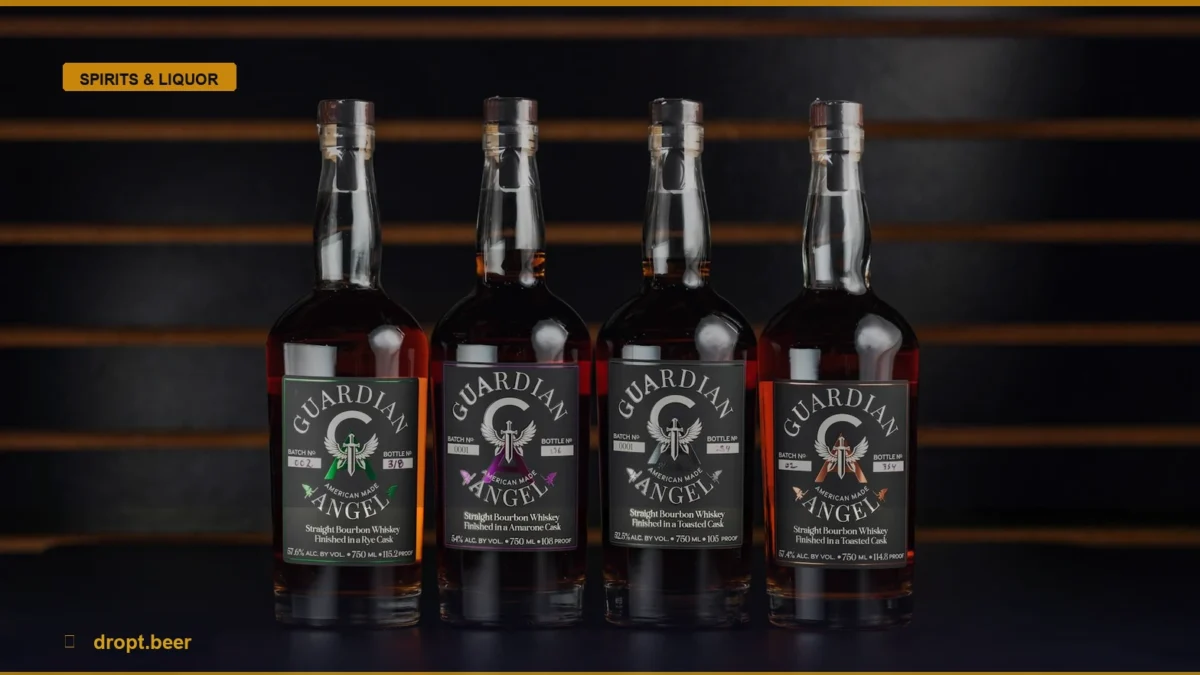
The BJCP guidelines for beer and spirits emphasize the importance of alcohol content, and the same logic applies to fire safety. The higher the ABV, the lower the flash point, and the more violently the spirit will burn. A cask-strength expression—some of which clock in well above 60% ABV—is essentially a different beast than your standard 40% bottle. These high-proof spirits have flash points closer to 63°F (17°C), meaning they are ready to ignite at even cooler temperatures.
If you have a bottle of something like an overproof rye or a barrel-strength release, treat it with extra caution. These aren’t just for sipping; they are concentrated energy. I’ve seen people try to ignite cocktails for effect, and the speed at which a high-proof spirit travels is terrifying. You don’t have time to react if you spill. Keep these bottles away from the kitchen workspace entirely.
Debunking the Myths
There is a persistent belief that if you keep your whiskey in the freezer, it becomes “safe” from fire. This is dangerous misinformation. While the cold does suppress the release of vapors, as soon as you pour that liquid into a warm glass or near a heat source, the temperature rises rapidly. The vapor pressure climbs, and the risk returns. Never assume temperature is a substitute for proper storage.
Another myth is that you can safely flambé with any whiskey. While chefs use spirits to deglaze or add flavor, they do it with controlled technique and specific tools. If you’re at home trying to recreate a flaming cocktail, stop. The risks of splashing burning liquid onto your skin or your clothes are far too high for a momentary spectacle. If you love the flavor of whiskey in your cooking, add it to the pan when the heat is off or at a stage where the alcohol can simmer down without an open flame present.
Safety in the Home Bar
Your home bar should be a sanctuary, not a fire hazard. Look at where your bottles are stored. Are they near a sunny window where the glass acts as a magnifying lens? Are they sitting on a shelf above the stove? These are common mistakes. A cool, dark, and stable environment is the only way to store your spirits.
If you’re hosting a party, keep the candles away from the mixing station. It’s easy to get distracted while you’re shaking a drink or measuring out a dram. A simple slip of the hand near a candle can turn a fun night into an emergency. If you’re looking for more tips on how to curate a responsible home bar, we have plenty of resources right here at dropt.beer. Treat your whiskey with respect, store it properly, and it will be there for you to enjoy for years to come.
Frequently Asked Questions
Does whiskey expire if it’s kept away from fire?
Whiskey doesn’t “expire” like food, but it does degrade. Once opened, oxidation changes the flavor profile over time. Keep it in a cool, dark place with the cork or cap sealed tightly to maintain quality for months or years.
Is it safe to store whiskey in the freezer?
It is safe from a fire perspective, but it is not recommended for quality. Freezing temperatures can mute the complex aromas and flavors of a good whiskey. It is better to store it at room temperature and use a large ice cube if you want to chill it.
Can I use whiskey to start a campfire?
While whiskey is flammable, it is an incredibly inefficient and dangerous fire starter. It burns too quickly and can cause dangerous flare-ups. Stick to proper fire-starting materials like dry kindling or commercial fire starters, and save the whiskey for drinking by the fire.
What should I do if my whiskey catches fire?
Never use water, as it can spread the burning alcohol. Use a fire extinguisher rated for chemical fires or, if the fire is small and contained in a pan, carefully slide a metal lid over it to smother the flames by cutting off the oxygen supply.