Quick Answer
Basel is a premium hub for whiskey, but you must look beyond standard supermarkets to find real value. The best strategy is to visit independent specialists in the Altstadt for rare independent bottlings and use dedicated Swiss online platforms for price comparison and access to limited releases.
- Prioritize independent “Spirituosen” shops over large chains for expert guidance.
- Check the labels for “Cask Strength” or “Non-Chill Filtered” to ensure quality.
- Use local Swiss online retailers to secure international imports that hit local shelves in limited supply.
Editor’s Note — Fiona MacAllister, Editorial Director:
I’m of the firm view that Basel is an undervalued goldmine for collectors who know where to look, but most people miss the best bottles by lingering in supermarket aisles. If you aren’t talking to the shop owners in the Altstadt, you’re just buying the same mass-market liquid found in every duty-free shop from here to Tokyo. Jack Turner’s research on the specific retail culture of this city is exceptional; he understands that the secret to a great collection isn’t just the label, but the provenance of the seller. Stop browsing and start asking for the back-shelf stock today.
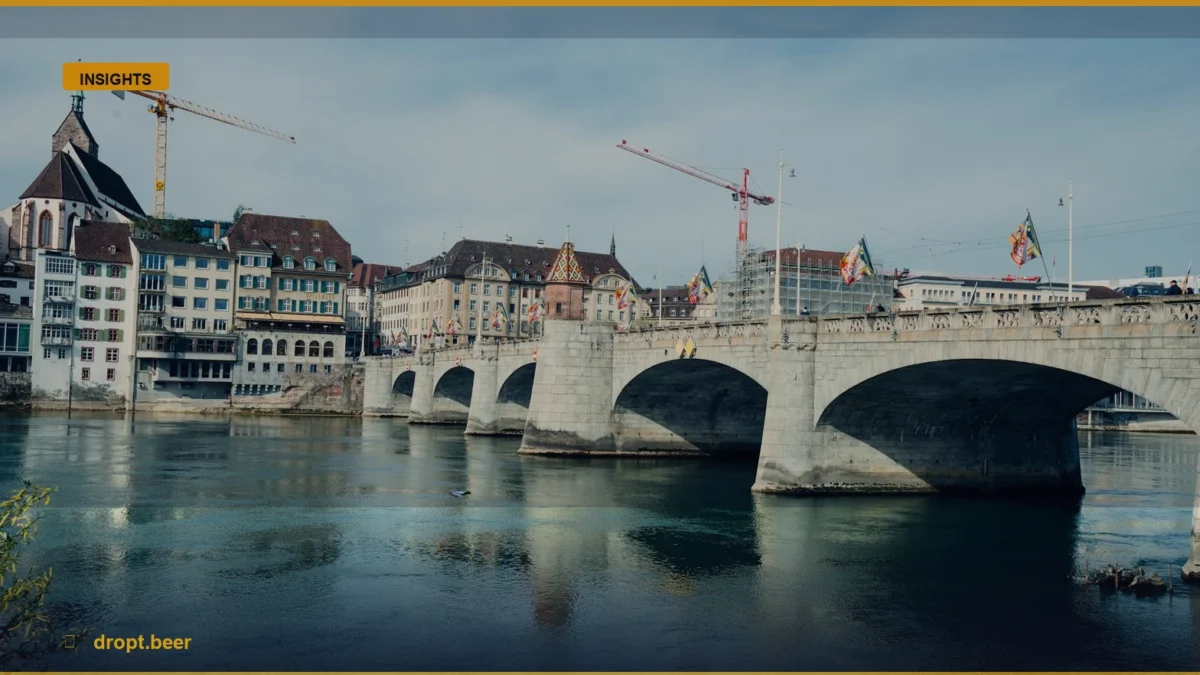
The air in Basel’s Altstadt carries a specific scent—a blend of roasting coffee, damp cobblestone, and the unmistakable, sharp ozone tang of the Rhine. It’s a city that breathes history, and tucked into its narrow, winding lanes are the quiet, wood-paneled shops that hold the real treasures. You aren’t here for the mass-market blends that line the shelves of every generic convenience store. You’re here for the bottle that tells a story, the one that makes your hands shake slightly as you reach for the cork.
Finding exceptional whiskey in Basel isn’t about luck; it’s about knowing which doors to knock on. While Switzerland is famous for its clockwork precision and banking, its relationship with spirits is fueled by a deep, border-crossing appreciation for European and American distilling traditions. If you want to build a collection that actually matters, you need to abandon the idea of the “supermarket find” and embrace the expertise of the city’s independent merchants.
The Myth of the Supermarket Selection
It’s tempting to grab a bottle of something recognizable while you’re picking up groceries. Don’t. According to the WSET Spirits guidelines, the quality of a spirit can degrade significantly under poor lighting and temperature fluctuations common in high-traffic retail spaces. You’re looking for bottles that have been stored in climate-controlled environments by people who treat whiskey like a living, breathing entity rather than a commodity.
When you walk into a dedicated “Spirituosen” or “Edelbrände” shop, look for the dust on the bottom shelves and the obscure labels on the top ones. The staff in these shops are often the gatekeepers of the city’s best stock. They aren’t trying to sell you the highest volume product; they’re trying to match a profile to your palate. Ask them what they’ve been drinking lately. It’s the fastest way to bypass the marketing fluff and get to the good stuff.
Navigating the Altstadt Specialists
The heart of Basel’s whiskey scene beats in the historic center. You’ll find shops where the glass counters are polished to a shine and the walls are lined with single malts that haven’t seen a supermarket shelf in years. These are the places that hold independent bottlings from names like Signatory Vintage or Gordon & MacPhail.
When you engage with these shopkeepers, be specific. Don’t ask for “a good whiskey.” Instead, mention your preference for a particular region—perhaps a coastal Islay with a heavy peat profile or a delicate, floral Highland dram. If you mention that you’re looking for a specific age statement or a particular cask finish, you’ll see the conversation shift. This is where the real education happens.
The Role of Online Aggregators
While the physical experience of a Basel shop is unmatched, the reality of modern collecting requires a digital component. Switzerland has a sophisticated network of online spirit retailers that act as a bridge between your front door and distilleries in Scotland, Kentucky, or Japan. Using these platforms allows you to track market pricing and secure bottles that are allocated in tiny numbers.
At dropt.beer, we’ve long argued that the best way to develop your palate is to compare what you find in person with the best available global imports. If you’re in Basel, use the local shops for your daily discovery and the online market for your strategic acquisitions. It’s the most efficient way to ensure your bar stays stocked with variety and quality.
Understanding Provenance and Value
The BJCP guidelines for whiskey emphasize the importance of regional character, yet many drinkers ignore the influence of the local environment on the liquid itself. Basel’s proximity to France and Germany means you’ll find crossover in spirits that you won’t see elsewhere. Keep an eye out for local Swiss distillers who are experimenting with traditional grain bills—they’re doing things that are genuinely exciting, even if they aren’t on the international radar yet.
Always prioritize bottles that are non-chill filtered and bottled at natural cask strength. When a producer takes the time to leave the natural oils and esters in the bottle, you’re getting the whiskey as it was intended to be tasted. It’s a richer, more complex experience that rewards the patient drinker. If you’re going to spend your hard-earned money, spend it on integrity in the glass.
Your Next Move
Identify one independent spirit shop in Basel’s Old Town this afternoon and ask the clerk for their single most interesting independent bottling.
- Immediate — do today: Visit an Altstadt spirit specialist; ask them for a recommendation that isn’t a flagship brand.
- This week: Cross-reference your favorite bottle’s price against two major Swiss online liquor retailers to understand the local market markup.
- Ongoing habit: Keep a simple tasting journal of every new bottle you buy in Basel, noting the store, the price, and your honest impression of the dram.
Frequently Asked Questions
Are supermarket whiskies in Basel worth buying?
Generally, no. While supermarkets in Switzerland are high quality, their whiskey selection is designed for volume, not connoisseurship. You will find standard-issue blends and entry-level single malts, but you will rarely find the rare, cask-strength, or independent bottlings that define a serious collection. Stick to specialty liquor stores for anything beyond a basic mixer.
Is Swiss-made whiskey worth trying?
Absolutely. Switzerland has a burgeoning whiskey scene, particularly with distillers using high-quality local grains and unique aging techniques in the alpine climate. While they may not have the centuries-old heritage of Scotland, the innovation occurring in Swiss distilleries today is impressive. Look for small-batch releases in Basel’s independent shops to support local craftsmanship.
How can I tell if a bottle is high quality?
Look for “non-chill filtered” and “natural color” on the label. High-quality whiskies avoid these industrial processes to preserve the natural oils, texture, and flavor profile of the spirit. Additionally, seek out “cask strength” bottlings, which indicate the whiskey hasn’t been diluted with water, offering a more intense and honest representation of the distiller’s work.