If you consider yourself a connoisseur of complexity, someone who demands more from their glass, then the Double India Pale Ale (DIPA), often called an Imperial IPA, is your true north. It’s not just a beer; it’s a statement—a bold, aromatic, and surprisingly nuanced beverage that sits proudly atop the craft beer hierarchy. For those who drink alcohol and are seeking to elevate their palate experience, understanding the DIPA is essential. This guide will peel back the layers of this high-octane brew, providing the insights you need to truly appreciate the power and grace packed into every sip.
We’ll explore why DIPAs require masterful brewing techniques, how to find your favorite style, and how you can even delve into the world of brewing these beasts yourself.
What Exactly is a DIPA (Double IPA)?
The DIPA is an amped-up version of the traditional IPA. Born out of the perpetual ‘hop arms race’ of the American craft scene in the late 1990s, brewers sought to push the limits of flavor, aroma, and alcohol content. The core distinction lies in scale:
- Increased Grain Bill: More malt is used to produce higher fermentable sugars, which translates directly to a higher Alcohol By Volume (ABV), typically ranging from 7.5% to over 10%.
- Aggressive Hopping: DIPAs use significantly more hops, both for bittering and massive late-addition dry hopping for maximum aroma extraction.
- Intensified Balance: Unlike a standard IPA that might lean heavily on bitterness, a good DIPA requires a heavier malt backbone to support and balance the intense hop load, preventing it from tasting harsh or one-dimensional.
Think of it this way: if a standard IPA is a powerful sports car, the DIPA is a monster truck—bigger, louder, and built for maximum impact, yet requiring precision engineering to handle its power.
The Anatomy of a High-Octane Brew: Key Characteristics
To identify a truly exceptional DIPA, look beyond just the name. These are the traits that define the style:
High IBU, Balanced Perception
While the International Bitterness Units (IBU) of a DIPA often soar past 80 (and sometimes well over 100), the actual perception of bitterness is often lower than you might expect. Why? Because the increased residual sugars and body from the extra malt counteract the hop bitterness. A well-crafted DIPA should feel rounded, not punishingly dry.
Aromatic Dominance
The real magic of the DIPA happens in the aroma. Brewers leverage modern hop varieties like Citra, Mosaic, Galaxy, and Simcoe to deliver powerful notes of tropical fruit, resinous pine, stone fruit, and citrus zest. This emphasis on volatile oils is achieved through techniques like continuous hopping and, most importantly, heavy dry hopping post-fermentation.
Color and Clarity
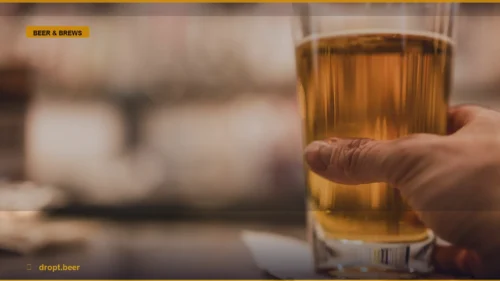
The DIPA style is highly fragmented regarding appearance. Traditional West Coast DIPAs tend to be golden, clear, and bright. However, the rise of the New England IPA (NEIPA) influence has given us the Hazy DIPA, which is pale, opaque, and features a smooth, creamy mouthfeel, often prioritizing juice-like hop flavors over bitterness.
Mastering the Hop Load: Brewing DIPAs
Brewing a DIPA is a complex undertaking that separates amateur brewers from masters. It requires precise control over fermentation, water chemistry, and immense inventory management for hops.
For those interested in the technical challenge, crafting a DIPA involves managing specific gravity levels that are much higher than average, requiring special attention to yeast health to ensure full attenuation without producing unwanted off-flavors. It’s a precise art that often requires professional guidance and specialized equipment. If you’ve ever dreamed of pushing the boundaries of flavor and creating truly unique, high-impact brews, learning the fundamentals of the process is step one. Explore how you can Create Your Custom Beer using expert consultation and proven methodology.
Navigating the Double IPA Spectrum
The best way to appreciate DIPAs is to understand their regional variations:
- West Coast DIPA: The classic profile. Known for pine, resin, high bitterness, and a crisp, dry finish. Examples often include a notable aggressive punch.
- East Coast/Hazy DIPA: Focuses on aroma and mouthfeel. Low perceived bitterness, massive tropical fruit notes (mango, passion fruit), and an almost fluffy texture. The opacity comes from specific yeast strains and proteins that remain in suspension.
- Fruited/Milkshake DIPA: Newer iterations that incorporate fruit purees (like pineapple or guava) and sometimes lactose for added sweetness and body, creating an indulgent, cocktail-like experience.
Pairing Power: Matching DIPA Intensity with Food
The strength and flavor profile of a DIPA demand equally strong food pairings. Avoid delicate foods, as the beer will overwhelm them. Instead, choose ingredients that can stand up to the hop assault:
- Spicy Foods: The alcohol and hop oils can actually amplify spice, making it a thrilling combination with Thai curry, hot wings, or spicy tacos.
- Sharp Cheese: Aged cheddar, blue cheese, or strong goat cheese cut through the hop resin beautifully, offering a fantastic textural contrast.
- Rich Desserts: For chocolate stouts, the DIPA provides a counterpoint. Try pairing a rich caramel or crème brûlée—the sweetness contrasts the bitterness, creating complexity.
Maximizing Your DIPA Experience: Serving and Storage Tips
DIPAs are ephemeral creatures. Unlike stouts or barleywines, which age gracefully, the volatile hop aromas that define a DIPA diminish rapidly over time. Freshness is paramount.
- Drink Fresh: Always check the canning or bottling date. A DIPA is best consumed within 60–90 days of packaging.
- Temperature: Serve slightly warmer than standard lagers, around 45–55°F (7–13°C). This allows the complex aromas to open up fully.
- Proper Glassware: Use a tulip glass or snifter. The wide bowl captures the intense aromatics, while the tapered rim directs the scent straight to your nose.
If you are a craft enthusiast looking for the freshest, most sought-after limited releases in this category, knowing where to source them is key. Many small breweries are now using professional tools to get their highly perishable IPAs to market efficiently. You can often find the newest releases and limited-edition DIPAs listed through a specialized Beer distribution marketplace (Dropt.beer), ensuring peak freshness.
FAQs About Double IPAs
Q: Is DIPA the same as Imperial IPA?
A: Yes. The terms DIPA (Double IPA) and Imperial IPA are generally used interchangeably to describe IPAs with elevated ABV and hop levels.
Q: Why is DIPA so expensive compared to regular IPAs?
A: The expense is directly related to the ingredients. DIPAs require significantly more malt (grain) and often 2x to 3x the quantity of expensive, specialty hops compared to a standard IPA. This higher material cost is reflected in the retail price.
Q: Does DIPA need to be refrigerated?
A: Absolutely. Hops degrade quickly when exposed to heat and light. DIPAs should always be stored cold to preserve the delicate aromas and flavors that define the style.
Ready to Scale Your Craft?
Whether you’re a consumer looking to expand your knowledge base or a professional eager to launch the next breakthrough hazy DIPA, the market for bold, high-quality craft beer remains fiercely competitive and highly rewarding. The DIPA is a style that continually evolves, demanding both creativity and technical mastery.
If you are a brewery ready to take your seasonal DIPA releases or year-round flagships to the next level—optimizing production, quality control, and distribution strategies—expert consultation can make the difference between a local hit and a national success story. Discover how dedicated guidance can help you Grow Your Business With Strategies Beer and conquer the complex demands of the craft beverage industry.
Conclusion
The DIPA is not for the faint of heart, but for those who embrace its intensity, it offers one of the most rewarding and complex drinking experiences in the world of craft beer. It represents the pinnacle of hop utilization and the brewer’s art of balance. The next time you encounter a Double IPA, take a moment to appreciate the sheer volume of ingredients and skill required to deliver that powerful aromatic punch and deceptively smooth finish. Cheers to drinking boldly and exploring the high-octane world of the DIPA!