Quick Answer
Belém’s best drinking happens in the humble botecos of Batista Campos and Reduto, where the beer is served at sub-zero temperatures and the snacks are fried to order. Skip the hotel bars and head directly to a corner joint with plastic chairs for an authentic experience.
- Order ‘chopp’ (draft beer) served in a frosted mug for the coldest pour in the Amazon.
- Pair your drink with isca de peixe or pastel to handle the humidity and the alcohol.
- Stick to neighborhood joints in Reduto for the best price-to-authenticity ratio.
Editor’s Note — Priya Nair, Features Editor:
I firmly believe that if you aren’t drinking in a place that feels slightly chaotic, you aren’t actually experiencing the culture of a city. In my years covering international beverage scenes, I’ve found that the most memorable stories aren’t told in polished cocktail bars, but over plastic tables in humid backstreets. Avoid the temptation to seek out ‘international’ standards; you’re in the Amazon, so drink like you belong here. Sam Elliott is the perfect guide for this because he understands that a bar’s value isn’t defined by its glassware, but by its soul. Go find the loudest corner, order a local brew, and start a conversation.
The air in Belém doesn’t just sit; it presses against your skin with the weight of a thousand river miles. It’s thick with the scent of wet earth, roasting manioc flour, and, if you’re lucky, the sharp, metallic tang of a freshly tapped keg. You’re standing on a corner in Reduto, the sound of a distant brega track pulsing from a neighbor’s window, and in your hand is a glass of beer so cold it’s sweating ice crystals in the tropical heat. This is the real Amazonian nightlife. It isn’t found in hotel lobbies or manicured tourist strips, but in the open-air botecos where the light is dim, the chairs are plastic, and the tab is measured in coins rather than notes.
To drink well in Belém is to embrace the local pace. Don’t waste your time looking for craft beer temples with twenty-four taps of hazy IPA; that’s not why you’re here. You’re here for the chopp, the ritual of the petisco, and the specific, unhurried hospitality that defines this corner of Brazil. If you want to drink thoughtfully, you need to abandon your expectations of what a ‘good’ bar looks like and prioritize what a ‘good’ bar feels like.
The Anatomy of a Belém Boteco
A true boteco is an extension of the sidewalk. According to the Oxford Companion to Beer, regional beer cultures are defined as much by their serving environment as their liquid, and in Belém, that environment is public and porous. You aren’t just drinking a beer; you’re participating in the neighborhood’s living room. The best spots are often marked by nothing more than a handwritten sign and a cluster of locals who have claimed their table for the night.
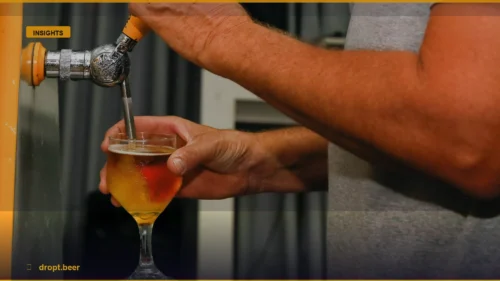
When you walk into a place like a traditional corner bar in Batista Campos, look for the ‘chopp’ tap. It’s almost always a standard Brazilian pilsner, but when poured into a properly frosted glass at the right temperature, it becomes the only drink that makes sense in this climate. Don’t ask for a tasting flight. Order a round, order it cold, and let the first sip reset your internal thermostat.
Mastering the Menu: Beyond the Pint
You can’t survive a night of Amazonian bar-hopping on liquid alone. The local food culture is a masterclass in fried, salty, and acidic flavors designed to cut through the heat and balance the starch of a lager. The BJCP guidelines might focus on the beer, but in Belém, the beer is merely a vehicle for the food. If you see isca de peixe—strips of white fish fried until they shatter on impact—get them. They are the essential partner to a cold glass of Antarctica or Brahma.
If you’re feeling adventurous, look for a caldo de camarão. It’s a shrimp broth that tastes like the river itself. It is intense, spicy, and deeply nourishing. These are the fuel stops that allow you to move from one neighbourhood to the next without hitting a wall. And please, skip the imported spirits. If you want to drink like a local, you drink cachaça. Ask for an artisanal variety, often aged in native woods like amburana, which gives the spirit a spicy, cinnamon-like finish you won’t find in a standard bottle of industrial rum.
Where to Find the Soul of the City
Batista Campos is your anchor. It’s a historic district where the architecture still holds a whisper of the rubber boom, but the current reality is defined by the evening migration of locals toward the nearest shaded square. You’ll find the best bars tucked away on the side streets, away from the main thoroughfares. If you see a place where the plastic chairs extend out into the street, you’ve found the right spot.
Reduto is slightly more rugged. This is where you go when you want to disappear into the crowd. There’s a lack of pretension here that is refreshing. In my experience, the bars in Reduto are where the most interesting conversations happen—often with people who have lived in Belém their entire lives and have stories about the river that would fill a dozen books. Don’t try to lead the conversation. Just listen, buy a round, and be present.
The Ritual of the Caipirinha
You’ll find caipirinhas everywhere, but don’t settle for the syrupy, lime-only version you get at a resort. Belém is a city of fruit, and your drink should reflect that. Keep an eye out for cupuaçu or bacuri infusions. These fruits add an acidity and depth that transforms a simple cocktail into something distinctly Amazonian. If the bartender asks if you want sugar or honey, go with the local honey. It rounds out the sharp edges of the raw cachaça and lingers on the palate long after the ice has melted.
Remember, the goal of visiting Belém isn’t to tick off a list of ‘best-rated’ establishments. It’s about finding the spot that makes you feel like you’ve been invited into the rhythm of the city. Whether you’re at a table in Cremação or a sidewalk stool in Nazaré, the quality of your experience depends on your willingness to sit still and let the evening unfold. If you’re looking for more ways to explore regional drinking traditions, keep checking in with us at dropt.beer for the latest dispatches from the field.
Your Next Move
Commit to spending one full evening in a neighborhood you aren’t staying in, letting the locals dictate the pace of your night.
- [Immediate — do today]: Identify a local ‘boteco’ style bar in your own city—look for the place with the least amount of interior design and the most consistent crowd.
- [This week]: Buy a bottle of high-quality Brazilian cachaça and experiment with fresh, seasonal local fruit instead of lime to make your own version of a Caipirinha.
- [Ongoing habit]: Whenever you visit a new city, skip the ‘top 10’ lists and ask a local bartender where they go after their shift ends.
Frequently Asked Questions
Is it safe to drink at local street bars in Belém?
Yes, but like any major city, use common sense. Stick to crowded, well-lit areas in neighborhoods like Batista Campos or Reduto. If a place is packed with locals, it’s usually both safe and high quality. Keep your phone tucked away, pay your tab as you go, and don’t flash large amounts of cash.
What is the best way to order beer in Brazil?
Order a ‘chopp’ for draft, or if you are with a group, order a 600ml bottle. Brazilians rarely drink small glasses; the 600ml bottle is the standard format for sharing at a table. It keeps the beer cold longer and encourages a slower, more social pace of drinking.
Do I need to tip at these bars?
Tipping isn’t mandatory in the same way it is in the US, but it is appreciated. Many bars include a 10% service charge on the bill. If it isn’t included and the service was good, rounding up or adding 10% is a polite way to acknowledge the staff’s hospitality.
Are there any ‘must-try’ Amazonian fruits for cocktails?
Absolutely. Look for cupuaçu (creamy and acidic), bacuri (sweet and fragrant), and taperebá (tangy and refreshing). These fruits provide a complex flavor profile that makes for a much more interesting drink than a standard lime Caipirinha. If you see them on the menu, always order them.