The Cloudy Phenomenon: Why Hazy Little Thing IPA Dominates the Market
In the vast and ever-expanding universe of craft beer, few styles have caused as much of a stir in recent years as the Hazy IPA. And at the forefront of this cloudy revolution stands one particularly influential brew: Sierra Nevada’s Hazy Little Thing IPA. This beer didn’t just follow the trend; it democratized it, bringing the complex, juicy flavors of the New England IPA (NEIPA) style to refrigerators nationwide. If you drink beer, you’ve likely encountered this tropical fruit bomb. But what exactly makes HLT such a cultural and commercial success, and how can you fully appreciate its brilliance?
We’re diving deep into the science, the flavor, and the undeniable appeal of Hazy Little Thing IPA. Prepare to learn why this opaque offering is far more than just a passing fad—it’s a masterclass in modern brewing.
What Exactly is a Hazy IPA? The NEIPA Revolution Explained
Before Hazy Little Thing existed, the standard IPA was defined by West Coast sharpness: crystal clarity, high bitterness (IBUs), and resinous, piney hop notes. The Hazy IPA flipped the script entirely. Originating largely in the Northeast U.S., the style (often called NEIPA) prioritizes intense aroma and flavor over bitterness and clarity. The defining characteristics include:
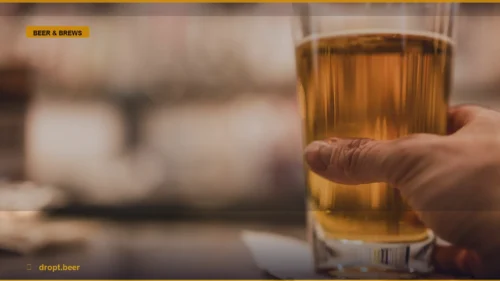
- Appearance: Opaque, cloudy, or turbid (the ‘haze’). This is natural, caused by suspended proteins, yeast, and hop polyphenols.
- Mouthfeel: Soft, creamy, and full-bodied, thanks to ingredients like oats and wheat.
- Flavor/Aroma: Bursting with tropical, citrus, and stone fruit notes (mango, pineapple, grapefruit, peach). Bitterness is typically subdued.
Hazy Little Thing IPA is Sierra Nevada’s accessible, yet expertly crafted, interpretation of this style. It delivers the signature juicy experience without being overly challenging or niche, making it an ideal entry point for drinkers looking to explore this sector of the market.
Decoding the Deliciousness: Why Hazy Little Thing Stands Out
Sierra Nevada, a brewery synonymous with IPA consistency, had a challenge when entering the hazy arena: maintaining flavor stability while achieving that signature, unfiltered look. They succeeded by focusing on meticulous ingredient selection and a specific brewing process.
The secret lies in the hop additions and the malt bill. HLT utilizes several late-addition hops—meaning the hops are added after the boiling process or during fermentation (dry hopping). This process extracts maximum essential oils responsible for aroma and flavor, rather than compounds that contribute to bitterness.
“Hazy Little Thing IPA achieves its velvety texture and vibrant aroma through a heavy dry-hopping regimen and a careful blend of malts that leave proteins suspended, creating that beautiful, desirable haze.”
The result is a beer that is exceptionally balanced, featuring layers of hop complexity—think Citra, Mosaic, and other juicy varieties—without the palate fatigue that can sometimes accompany higher ABV, heavily bitter IPAs. This blend of familiarity and innovation is precisely why HLT became a fixture on store shelves and in bars globally. If you’re interested in understanding the techniques required to master hop utilization and style innovation, exploring processes like dry hopping is key. You can learn more about these methods if you decide to Make Your Own Beer.
The Anatomy of Flavor: Tasting Notes and Expert Pairings
Drinking Hazy Little Thing IPA is an adventure in tropical fruit. Here is a breakdown of what to expect:
- Aroma: Strong scents of mango, passionfruit, orange zest, and a subtle pine background.
- Taste: Leading with a powerful rush of stone fruit and citrus, followed by a soft, moderate sweetness that quickly finishes clean. The lack of harsh bitterness allows the fruit character to shine through completely.
- Mouthfeel: Full and creamy, yet highly drinkable.
Optimal Food Pairings for HLT IPA
Hazy IPAs are fantastic with food because their tropical sweetness and low bitterness cut through richness without overwhelming delicate flavors:
- Spicy Cuisine: The fruity esters in HLT cool the heat of Thai curries or spicy tacos.
- Cheese: Soft, creamy goat cheese or mature cheddar.
- Dessert: Citrus-based desserts like key lime pie or orange sorbet, which complement the hop profile beautifully.
Actionable Steps: How to Enjoy Your Hazy Little Thing to the Max
To fully experience the intended flavor profile of any hazy IPA, proper serving is essential. Follow these actionable steps:
- Temperature is Key: Serve HLT slightly warmer than macro lagers, ideally between 45°F and 50°F. If it’s too cold, the delicate hop aroma will be suppressed.
- Glassware Matters: Use a nonic pint, tulip, or stemmed IPA glass. These glasses help capture and concentrate the volatile hop aromas, funneling them straight to your nose before you take a sip.
- Check the Date: Hazy IPAs are best consumed fresh. Unlike some styles, the fresh, bright, fruity flavors fade quickly. Always check the canning date and aim to drink it within 90 days of packaging.
SEO Focus: Hazy Little Thing IPA FAQs
Q: Is Hazy Little Thing a New England IPA (NEIPA)?
A: Yes. While brewers may call it a Hazy IPA, it fits all the criteria of the New England IPA style: cloudy appearance, low perceived bitterness, and massive tropical/citrus hop aroma.
Q: What is the ABV of Hazy Little Thing IPA?
A: Hazy Little Thing typically clocks in at 6.7% ABV, making it substantial enough to carry the rich flavor but still highly sessionable for a juicy IPA.
Q: Is the haze safe to drink?
A: Absolutely. The haze is a natural byproduct of the brewing process, consisting of beneficial proteins, yeast, and hop compounds. It is a sign that the beer is intentionally unfiltered and meant to be consumed cloudy.
Beyond the Pint: The Business of Hazy Beer
The success of Hazy Little Thing IPA highlights a massive shift in consumer preference toward softer, more approachable hop flavors. For independent brewers, understanding this market demand is crucial for survival and growth. The scale and distribution power required to make a beer like HLT widely available demonstrate the complexities of the modern craft beer market.
If your business is looking to capitalize on trending beer styles like the Hazy IPA or needs support navigating the competitive landscape, effective market strategy and expanded reach are essential. Learn how established brands scale and how you can apply those principles to your operations: Grow Your Business With Strategies Beer. Furthermore, sourcing and selling these popular craft styles efficiently requires powerful infrastructure. To streamline your supply chain and reach more customers, explore the benefits of using a robust Beer distribution marketplace (Dropt.beer).
Conclusion: Embracing the Haze
Hazy Little Thing IPA is more than just another beer; it is a marker of modern craft brewing excellence. It successfully took a specialized style—the NEIPA—and made it accessible, consistent, and beloved by millions. It embodies the juicy, aromatic, and approachable side of the IPA world. Whether you are a dedicated hophead or just looking for a refreshing, flavorful craft beverage, HLT provides a consistently delightful experience.
The next time you reach for an IPA, don’t shy away from the cloudy can. Embrace the haze, enjoy the tropical explosion, and savor this little piece of brewing history.