The Juicy Revolution: Why Hazy Pale Ale is Your New Favorite Beer
In the evolving landscape of craft beer, few styles have captured the collective imagination—and palate—quite like the Hazy Pale Ale (HPA). For those who enjoy a flavorful, hop-forward brew but often find standard IPAs too intense, the HPA offers a perfect, sessionable middle ground. This isn’t just a fleeting trend; it’s a modern classic defined by its soft mouthfeel, vibrant juiciness, and signature cloudy appearance.
If you’re already a dedicated beer drinker or just starting to explore beyond lagers, understanding the Hazy Pale Ale is key to appreciating the current state of brewing innovation. We’ll dive deep into what makes this style so distinct, how it differs from its stronger cousin (the NEIPA), and how you can best enjoy—or even brew—your own sessionable haze.
What Makes a Hazy Pale Ale “Hazy”?
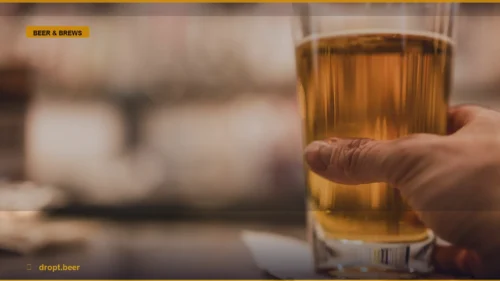
The defining visual characteristic of the HPA is its turbidity—that milky, opaque appearance that looks more like fresh-squeezed juice than traditional clear beer. But this isn’t just about aesthetics; the haze is intrinsically linked to the flavor and mouthfeel of the beer.
The Science of Softness
Unlike West Coast styles, which prioritize clarity, the haze in an HPA is intentionally cultivated through specific brewing practices:
- Protein & Polyphenols: Brewers utilize specific malts high in protein (like wheat and oats). These proteins bind with polyphenols (tannins) found in hops, creating a stable suspension that refuses to settle out.
- Late-Stage Hopping: The majority of hops are added late in the brewing process (whirlpool) or during fermentation (dry-hopping). This minimizes isomerization (bittering) and maximizes the retention of aromatic oils, which also contributes to the haze.
- Yeast Selection: Certain yeast strains, known for their low flocculation (reluctance to clump together and drop out of suspension), are essential for maintaining that signature cloudiness and contributing fruit esters to the flavor profile.
The result is a beer with an incredibly soft, pillowy mouthfeel that elevates the fruity hop characteristics without the harsh, prickly bitterness associated with older IPA styles.
Flavor Profile Breakdown: Juiciness Without the Weight
The Hazy Pale Ale is defined by flavor and aroma, not high ABV. HPAs typically fall between 5.0% and 6.0% ABV, making them highly sessionable. The focus is squarely on expressive, aromatic hop varieties that deliver tropical and citrus notes.
Key hop varieties dominating the HPA landscape include:
- Citra: Known for powerful grapefruit, lime, and tropical fruit notes.
- Mosaic: A complex hop offering blueberry, mango, and pine nuances.
- Galaxy: Highly sought after for its intense passionfruit and peach flavors.
- Nelson Sauvin: Adds unique white wine grape and gooseberry characteristics.
The skillful combination of these hops, along with a minimal addition of bittering hops early on, ensures that the flavor bomb hits the palate without the palate fatigue often associated with high-IBU beers. It’s a beautifully balanced act of aroma and drinkability.
HPA vs. NEIPA: Understanding the Critical Difference
While Hazy Pale Ales share the visual aesthetics and juicy flavor profile of their predecessors, the New England IPA (NEIPA), there is a crucial distinction that experienced beer drinkers recognize: ABV and intensity.
| Feature | Hazy Pale Ale (HPA) | New England IPA (NEIPA) |
|---|---|---|
| Alcohol By Volume (ABV) | 5.0% – 6.0% (Sessionable) | 6.5% – 8.5%+ (Stronger) |
| Bitterness (IBU) | Low to Moderate (25-40) | Moderate to High (40-65) |
| Malt Profile | Lighter body, emphasizes softness | Fuller body, potentially sweeter |
Think of the HPA as the NEIPA’s approachable younger sibling. It delivers all the delightful, fruit-forward flavors and the coveted soft texture, but in a package that allows you to enjoy two or three without feeling overwhelmed. This sessionability is why many modern breweries are focusing heavily on developing robust HPA offerings for everyday enjoyment.
Brewing Your Own Sessionable Haze
The excitement around HPAs has inspired countless homebrewers and professional breweries alike. If you are captivated by the idea of creating a beer that perfectly matches your preferred flavor profile—whether that’s leaning into peach and passionfruit or maximizing citrus zest—the HPA is a fantastic style for experimentation.
Successfully brewing an HPA requires precision in water chemistry, a reliance on flaked adjuncts (oats/wheat), and a commitment to aggressive, cool-side hopping. It’s a rewarding process that allows for incredible customization. If you are thinking about stepping up your brewing game and tailoring your own signature Hazy Pale Ale recipe, our resources on advanced techniques can guide you. Learn more about the specific ingredients and processes required by visiting our dedicated guide on Make Your Own Beer.
Pairing and Enjoyment: Serving HPA Like a Pro
The versatility of the Hazy Pale Ale makes it a fantastic culinary partner. Its hop aromatics and low bitterness mean it complements rather than clashes with many dishes.
- Spicy Foods: The soft body and residual sweetness of the HPA cut through the heat of Thai curries, tacos al pastor, or spicy wings, refreshing the palate without magnifying the spice.
- Light Meats and Seafood: Grilled chicken, fresh salads topped with goat cheese, or delicate white fish benefit from the bright, citrusy acidity of the beer.
- Cheese Pairings: Opt for creamy, fresh cheeses like Brie, Burrata, or Chevre. Their fat content beautifully balances the hop oils.
To maximize the flavor experience, always serve your HPA slightly chilled (around 45°F to 50°F) and use a proper glass—a stemmed tulip or snifter helps concentrate those volatile hop aromas right under your nose.
Expanding Your Business with the Haze Trend
For microbreweries, bars, and distributors, the Hazy Pale Ale isn’t just a popular item; it’s a staple that drives traffic and loyalty. Its broad appeal ensures consistent sales, and its flexibility allows for seasonal variations and limited releases that keep the consumer engaged. Harnessing this trend can significantly grow your beverage enterprise.
Whether you are looking to launch a limited-edition HPA for a corporate event or standardize a flagship haze, specialized brewing services can help translate your vision into reality. If you are aiming to capitalize on this growing demand or introduce a new proprietary Hazy Pale Ale to the market, explore how strategic partnerships can streamline your product development via Custom Beer solutions.
How to Find and Buy the Best Hazy Pale Ales
With thousands of HPAs available globally, tracking down the best examples can be a thrilling pursuit. The best way to discover new and exciting releases, especially from regional or hard-to-find breweries, is through specialized beverage platforms.
These platforms not only help consumers connect directly with innovative brewers but also simplify the logistics of acquiring unique craft beers. If you are looking to secure the newest, juiciest HPAs for your personal cellar or business inventory, consider utilizing a dedicated beer distribution marketplace (Dropt.beer) to access a curated selection of the finest craft beers available.
Frequently Asked Questions (FAQs) About Hazy Pale Ales
Q: Is Hazy Pale Ale just a weaker New England IPA?
A: While they share characteristics, no. The HPA is deliberately brewed to a lower ABV (typically 5-6%) and lower bitterness threshold than the NEIPA (6.5%+). The goal of the HPA is sessionability and bright aroma, not maximum alcoholic punch.
Q: Why does my Hazy Pale Ale taste sweet?
A: The perception of sweetness often comes from the lack of bitterness and the intense fruity esters produced by the yeast and the aromatic hop oils. While the beer is technically dry (low residual sugar), the overwhelming aroma of tropical fruit tricks your brain into perceiving sweetness.
Q: Does the haze affect the beer’s quality or shelf life?
A: The haze itself doesn’t inherently reduce quality, but the high amount of dry-hopping and reduced filtration can make the beer more susceptible to oxidation, which can lead to dull, muddy flavors over time. HPAs are best enjoyed fresh—usually within 1-3 months of canning.
Embrace the Haze
The Hazy Pale Ale is more than just a passing phase; it represents a commitment to flavor accessibility and brewing innovation. By balancing intense hop aromatics with a smooth, sessionable body, the HPA has earned its place as a cornerstone of modern craft brewing. We encourage you to seek out and savor the best examples of this style, experimenting with food pairings and sharing your favorites.
Ready to explore the full world of craft beer trends and brewing strategies? Visit our Strategies Beer Home page for more expert guides and insights into the beverage industry.