The Allure of Wine: More Than Just a Drink
For millennia, wine has been more than just a beverage; it’s been a symbol of celebration, a companion to meals, a muse for artists, and a focal point for social gatherings. The ritual of pouring wine, swirling it in the glass, and appreciating its color, aroma, and taste is a sensory experience that has captivated humanity. When we search for ‘glasses of wine pictures,’ we’re not just looking for pretty images. We’re seeking to capture that essence, to evoke the feelings associated with fine wine, and to understand its place in our culture. As someone with over 12 years of experience in exploring the nuances of wine and its presentation, I can attest that the visual aspect, often conveyed through stunning ‘glasses of wine pictures,’ plays a significant role in our perception and appreciation.
Why ‘Glasses of Wine Pictures’ Resonate
The appeal of ‘glasses of wine pictures’ is multifaceted. They serve several purposes:
- Aesthetic Appreciation: Wine, in its various hues – from the pale gold of a Chardonnay to the deep ruby of a Cabernet Sauvignon – is visually stunning. Capturing it in elegant glassware allows for the play of light, showcasing its clarity, viscosity, and depth.
- Evoking Emotion and Atmosphere: A well-composed photograph of wine can transport the viewer. Images of wine glasses clinking at a celebratory dinner, a solitary glass by a fireplace, or a collection of bottles in a cellar all conjure specific moods and emotions.
- Educational Tool: For those new to wine, ‘glasses of wine pictures’ can be incredibly helpful. They illustrate different glass shapes and their purposes (e.g., a Burgundy glass versus a Bordeaux glass), the typical color profiles of various grape varietals, and the way wine looks when properly aerated.
- Marketing and Branding: For wineries, restaurants, and wine-related businesses, high-quality images are crucial. They are used in advertising, on menus, and across social media to entice customers and convey a sense of quality and sophistication.
- Inspiration for Wine Lovers: We often seek out ‘glasses of wine pictures’ for inspiration – to decide what wine to try next, to imagine a perfect evening, or simply to indulge in the beauty of the subject.
The Art of the Wine Glass: Form Follows Function
The vessel in which wine is served is as important as the wine itself. Different types of wine are best enjoyed in specific glasses designed to enhance their unique characteristics. This is where the diversity in ‘glasses of wine pictures’ truly shines.
Red Wine Glasses
Red wines, generally bolder and more tannic, benefit from glasses with a larger bowl. This allows for greater aeration, softening the tannins and releasing complex aromas.
- Bordeaux Glass: Tall with a wide bowl and a less pronounced taper. Ideal for full-bodied reds like Cabernet Sauvignon and Merlot, its height helps aromas reach the nose.
- Burgundy Glass: Features a much wider bowl that tapers significantly at the rim. This design directs the wine to the tip of the tongue, highlighting the fruitiness and subtler notes of delicate reds like Pinot Noir.
White Wine Glasses
White wines, typically lighter and more acidic, are often served in glasses with a smaller bowl and a narrower opening. This preserves their delicate aromas and keeps the wine cooler.
- Standard White Wine Glass: Typically has a U-shaped bowl that is narrower than red wine glasses. This concentrates the aromas of wines like Sauvignon Blanc and Pinot Grigio.
- Chardonnay Glass: Often has a wider bowl than a standard white wine glass, allowing for more aeration to soften acidity and release the richer, buttery notes of oaked Chardonnays.
Sparkling Wine Glasses
The presentation of bubbles is key for sparkling wines.
- Flute: Tall and slender, designed to showcase the effervescence, with the narrow opening preserving the bubbles and directing the aroma to the nose.
- Coupe: A wider, shallow bowl. While visually appealing and classic, it allows bubbles to dissipate more quickly. Often seen in vintage-themed ‘glasses of wine pictures’.
Dessert Wine Glasses
These are typically smaller, as dessert wines are often richer and sweeter.
- Port Glass: Smaller than red wine glasses, with a narrower rim to concentrate the rich, sweet aromas.
Capturing the Magic: Photography Tips for Wine Images
Creating compelling ‘glasses of wine pictures’ involves more than just pointing and shooting. It requires an understanding of light, composition, and the subject itself. Whether you’re a professional photographer or a casual enthusiast, here are some tips to elevate your wine photography:
- Lighting is Key: Natural light is often best. Position your subject near a window, but avoid direct sunlight which can cause harsh shadows and glare. Soft, diffused light will highlight the wine’s color and clarity beautifully. Backlighting can create a beautiful glow through the wine.
- Focus on the Details: Pay attention to the wine’s color, the way it clings to the glass (the ‘legs’), and the subtle reflections. A shallow depth of field can isolate the glass and wine, creating a professional look.
- Choose Your Glassware Wisely: The right glass enhances the wine and the photograph. Ensure glasses are sparkling clean to avoid distracting smudges or water spots.
- Composition Matters: Think about the background. A clean, uncluttered background will keep the focus on the wine. Consider props that complement the wine – a cheese board, grapes, or a rustic table setting – but don’t let them overpower the main subject.
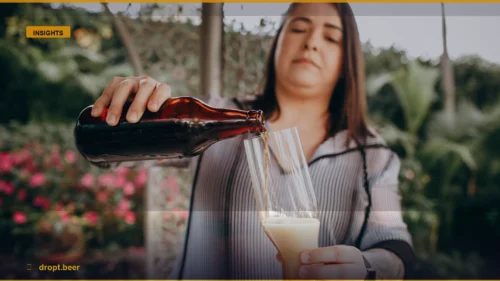
- Show the Pour: Action shots of wine being poured can be incredibly dynamic and engaging, capturing movement and anticipation.
- Experiment with Angles: Don’t be afraid to try different perspectives. A slightly elevated angle can show the wine’s surface, while a lower angle might emphasize the glass’s height.
Beyond the Picture: The Sensory Experience
While ‘glasses of wine pictures’ are beautiful and informative, they are just the beginning of the wine experience. The true magic unfolds when you engage all your senses. At Strategies Beer, we understand the importance of sensory details, whether it’s in the presentation of a craft beverage or the development of a brand’s identity. The visual appeal of wine in a glass is a powerful first impression, but it’s the aroma and taste that truly define the experience.
The Olfactory Journey: Exploring Scents and Memories
Just as a picture can evoke a feeling, so can a scent. The world of fragrance is as complex and nuanced as wine itself. For those who appreciate the art of scent, exploring heritage perfumes and unique olfactory experiences can be as rewarding as tasting a fine vintage. If you’re fascinated by how scents tell stories and evoke memories, I highly recommend exploring the world of Dropt Studio heritage perfume. Their approach to perfume creation is akin to a winemaker’s dedication to their craft, focusing on quality ingredients and the art of blending. You can delve deeper into their philosophy and offerings by visiting their page on perfume, ittar, and olfactory exploration. It’s a fascinating parallel to wine appreciation, where visual cues lead to deeper sensory engagement.
Crafting Your Own Scented Story
The desire to create something personal and unique is universal. Just as one might dream of having their own vineyard or creating a signature wine blend, the world of fragrance offers a similar avenue for personal expression. If the idea of bottling your own unique scent intrigues you, consider the possibilities. You might find it incredibly fulfilling to make your own perfume/scent now. This process mirrors the journey of discovering and appreciating wine – it’s about understanding ingredients, experimenting with combinations, and ultimately, creating something that resonates with your personal taste and story.
The Business of Wine: Visuals and Strategy
For businesses in the wine and hospitality sector, understanding the power of visuals is paramount. High-quality ‘glasses of wine pictures’ are not just decorative; they are strategic assets. They influence consumer perception, drive engagement, and ultimately, impact sales. Developing a cohesive brand strategy that incorporates compelling imagery is essential for success. If you’re looking to refine your brand’s visual identity or create a marketing strategy that truly resonates, reaching out for expert advice is a wise step. You can explore how to elevate your brand by contacting us.
Conclusion: A Toast to the Visual and the Versatile
From the simple search for ‘glasses of wine pictures’ to the intricate art of perfumery, our appreciation for sensory experiences is deeply ingrained. Wine, in its visual splendor within a glass, offers a gateway to a world of flavor, aroma, and culture. Whether you’re a seasoned sommelier or a curious newcomer, the images we share and seek out play a vital role in our journey of discovery. They inspire, educate, and connect us to the rich tapestry of wine and its place in our lives. Remember, the visual is just the first step; the true delight lies in the exploration and engagement of all your senses.