When the conversation turns to world-class wheat beer, one name consistently rises above the foam: Maisel’s Weisse. Hailing from Bayreuth, Germany, this brew is not just a drink; it’s an institution—a benchmark for what a traditional Bavarian Hefeweizen should be. For those who appreciate the complex nuances of fermentation, or simply seek a refreshing, flavour-packed beverage, understanding Maisel’s Weisse is essential.
We are diving deep into the golden standard of German wheat beers, exploring the history, the meticulous brewing process, and the tasting notes that have secured Maisel’s place on the global stage. If you drink alcohol and seek authenticity and depth in your beer choices, prepare to elevate your appreciation for the king of the Hefeweizens.
Decoding the Original: What Makes Maisel’s Weisse Unique?
Maisel’s Weisse stands apart from many commercial wheat beers through its strict adherence to the Bavarian Purity Law (Reinheitsgebot) and, crucially, its proprietary yeast strain. While the Reinheitsgebot ensures only water, malt, hops, and yeast are used, it is the specific culture used by the Maisel family that imparts the beer’s signature profile.
The Hefeweizen Identity
Hefeweizen literally translates to “yeast wheat,” highlighting its primary components. Traditional Bavarian Hefeweizens like Maisel’s are known for being unfiltered, resulting in a naturally hazy (trüb) appearance and a richer mouthfeel. The most defining characteristic is the production of phenolic compounds—specifically 4-vinyl guaiacol—during fermentation, which gives the beer its unmistakable aroma of clove and vanilla, beautifully counterbalanced by fruit esters reminiscent of banana.
Maisel’s dedication to quality is evident in their use of top-fermenting yeast, which works at warmer temperatures and settles near the top of the fermenter. This process is complex, and replicating this specific flavour balance requires precision and experience. If you’ve ever considered replicating this style, understanding yeast management is critical. To see how specialized brewing processes contribute to unique flavour profiles, explore strategies around Make Your Own Beer.
The Maisel Family Heritage
The Brauerei Gebr. Maisel KG was founded in 1887 by the Maisel brothers, Hans and Eberhardt, in Bayreuth. Over a century later, the brewery remains a family-run enterprise committed to traditional methods while simultaneously investing in sustainability and modern technology. This blend of old-world dedication and new-world efficiency allows them to maintain the consistent, high-quality Maisel’s Weisse Original that beer lovers expect.
A Symphony of Flavor: Tasting Notes and Aroma Profile
Drinking Maisel’s Weisse is a multisensory experience. Unlike hop-forward lagers or stouts, this beer celebrates the complexity derived purely from the malt and yeast.
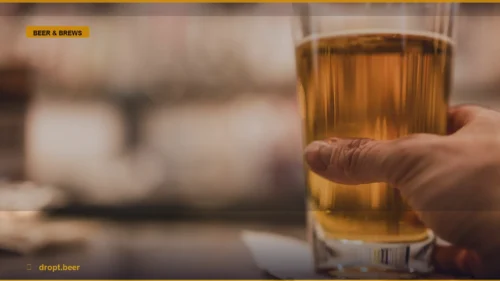
- Appearance: Deep, inviting golden-orange hue, persistently cloudy due to the suspended yeast, crowned with a thick, meringue-like white head that dissipates slowly.
- Aroma: Dominant notes of ripe banana, spicy clove, and a slight hint of lemon citrus and bubblegum. The aroma is clean, highly complex, and distinctly German.
- Taste: The flavour mirrors the aroma, offering a beautiful balance of sweet malty breadiness (from the wheat malt) and sharp, spicy phenols. It’s refreshing, medium-bodied, and finishes relatively dry, inviting the next sip.
- Mouthfeel: Effervescent, soft, and creamy due to high carbonation and yeast particles, making it exceptionally drinkable.
Actionable Step: Pouring the Perfect Weisse
To truly appreciate the full flavour profile, proper pouring is mandatory:
- Hold a clean, specialized Weizen glass at a 45-degree angle.
- Pour slowly down the side until about an inch of beer remains in the bottle.
- Swirl the bottle gently to loosen the settled yeast at the bottom (this contains much of the flavour and vitamins).
- Pour the remaining yeast-rich beer directly into the glass. This ensures the trademark cloudiness and full flavour are achieved.
Beyond the Glass: Perfect Pairings and Serving Secrets
Maisel’s Weisse is incredibly versatile, making it an excellent companion for a wide variety of cuisines. The high carbonation and slight acidity cut through fatty foods, while the banana and clove notes complement desserts and certain meats.
Food Pairing Guide
- Traditional Bavarian: Pair Maisel’s Weisse with Weisswurst (white sausage), pretzels, and sweet mustard. The acidity balances the richness of the sausage perfectly.
- Breakfast/Brunch: Excellent with egg dishes, smoked salmon, or French toast. The yeasty, bready character mirrors the food beautifully.
- Desserts: The banana esters make it a surprising match for banana bread, apple strudel, or even simple vanilla ice cream.
- Cheese: Soft, creamy cheeses like Brie or Camembert benefit from the beer’s carbonation, which cleanses the palate.
For those looking to strategically market or source unique imported beers like this, understanding consumer access points is key. Global sourcing has never been easier, allowing aficionados to secure authentic German brews directly. If you are looking to Sell your beer online through Dropt.beer, ensure your inventory includes sought-after imports like Maisel’s Weisse.
Maisel’s Weisse in the Modern Market
In a world dominated by craft IPAs and light lagers, Maisel’s Weisse represents a commitment to tradition that resonates deeply with discerning consumers. Its popularity is not just due to flavour, but also the consumer trust built over generations of consistent quality.
Understanding global demand and distribution strategy for highly traditional beers requires expert insight into logistics and consumer preferences. Whether you are a dedicated enthusiast or a business looking to leverage the appeal of premium imports, strategic knowledge is paramount. To learn more about optimizing your market reach and beer strategy, visit the Strategies Beer Home Page.
Frequently Asked Questions (FAQs) About Maisel’s Weisse
H2.1 Is Maisel’s Weisse suitable for vegans?
Yes. As Maisel’s Weisse strictly adheres to the Reinheitsgebot and does not use any animal-derived fining agents (such as isinglass), it is generally considered vegan-friendly.
H2.2 What is the alcohol content (ABV) of Maisel’s Weisse Original?
The Original Maisel’s Weisse typically has an ABV of 5.2%, making it highly sessionable yet flavorful.
H2.3 How should I store Maisel’s Weisse?
Due to the live yeast remaining in the bottle, it should be stored upright and in a cool, dark place. Storing it upright ensures the yeast settles at the bottom, making it easier to swirl before pouring.
H2.4 Is Maisel’s Weisse bitter?
No. Hefeweizens, including Maisel’s Weisse, are intentionally low in bitterness (IBU usually under 15). The focus is on the yeast and malt profile rather than hop intensity.
Conclusion: The Enduring Legacy of Bavarian Excellence
Maisel’s Weisse is more than just a wheat beer; it is a cultural icon. It offers a perfect convergence of history, meticulous brewing science, and exceptional flavour, proving that true quality never goes out of style. For the sophisticated alcohol drinker, this is the benchmark against which all other Hefeweizens should be measured.
If you haven’t yet experienced the profound complexity and refreshing character of a perfectly poured Maisel’s Weisse, seek it out. Embrace the Bavarian tradition and discover why this golden, hazy brew has captivated palates worldwide for over a century. Prosit!