Introduction
Imagine a cozy bar countertop, the clink of ice against glass, and the warm aroma of aged whiskey. Classic cocktails have transcended eras, becoming the heartbeat of social gatherings and personal indulgence. Whether you’re a seasoned mixologist or a curious newcomer, these timeless creations offer a gateway to sophistication and flavor. This guide dives into the world of classic cocktails, uncovering their origins, techniques, and modern relevance. Discover how to craft these legendary drinks at home, elevate your hosting game, and connect with a vibrant community of enthusiasts. Let’s uncork the magic of classic cocktails.
The History of Classic Cocktails
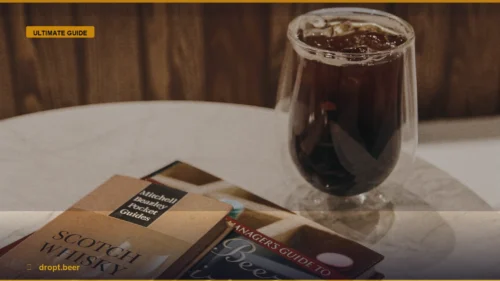
Classic cocktails are more than just recipes—they’re cultural milestones. The Old Fashioned, for instance, dates back to the 19th century, born from a simple whiskey drink that evolved with the addition of sugar and bitters. The Margarita, on the other hand, has a mysterious origin story, with claims ranging from a Texas bartender to a California socialite. These stories highlight how cocktails often reflect the eras they inhabit, from prohibition-era speakeasies to the jazz age’s glamour. Understanding their history adds depth to every sip.
Key Ingredients and Techniques
Mastering classic cocktails begins with quality ingredients and proper technique. Crafting your own beer or sourcing premium spirits is a game-changer. Here’s what you need:
- Bartender’s essentials: Ice, shakers, jiggers, and strainers.
- Spirits: Whiskey, gin, rum, tequila, and vodka form the backbone of most classics.
- Modifiers: Citrus wedges, olives, and herbs add layers of complexity.
- Bitters: Angostura bitters are a staple for depth and balance.
Techniques like shaking (for cocktails with dairy or citrus) and stirring (for clear spirits) ensure optimal texture and dilution. Customizing your ingredients allows personalization while respecting traditional recipes.
How to Make Iconic Classic Cocktails
1. The Old Fashioned
- Combine 2 oz bourbon, 1 tsp sugar, and 2 dashes Angostura bitters in a glass.
- Add ice and stir until chilled.
- Garnish with an orange twist and cherry.
This minimalist masterpiece showcases whiskey’s character while highlighting the importance of balance.
2. The Margarita
- Shake 2 oz tequila, 1 oz lime juice, and 1 oz triple sec with ice.
- Strain into a salt-rimmed glass.
- Garnish with a lime wedge.
The Margarita’s vibrant citrus flavor is a summer staple. For a twist, try adding a splash of jalapeño or a house-made agave nectar.
3. The Martini
- Stir 2.5 oz gin with 0.5 oz dry vermouth over ice.
- Strain into a chilled coupe glass.
- Garnish with a lemon twist or olive.
The Martini’s elegance lies in its simplicity. Experiment with variations like the Dirty Martini (add olive brine) or the Gibson (garnish with a pickled onion).
Modern Twists on Classic Cocktails
While tradition is key, modern mixologists often reinvent classics for contemporary palates. Consider:
- Spiced Old Fashioned: Add a cinnamon stick or smoky chipotle bitters.
- Smoky Margarita: Use mezcal instead of tequila and add smoked sea salt.
- Herb-Infused Martini: Muddle rosemary or thyme in the shaker.
For businesses, these innovations can attract trend-conscious customers while retaining classic charm.
Hosting with Classic Cocktails
Hosting a cocktail party is an art. Here’s how to wow your guests:
- Themed menus: Curate cocktails based on eras (e.g., Prohibition, 1920s Art Deco).
- Interactive stations: Let guests customize their drinks with garnish bars or DIY shakers.
- Pairing tips: Match cocktails to food—dry Martinis pair with seafood, while sweet Margaritas complement spicy dishes.
For a seamless experience, Strategies.beer offers resources on event planning and ingredient sourcing.
FAQs About Classic Cocktails
1. What defines a classic cocktail?
A classic cocktail is a timeless recipe with a documented history, balanced flavor profile, and cultural significance. It resists trends and remains relevant across generations.
2. How to upgrade a home bar?
Invest in quality glassware (coupe, highball, coupe), a bartender’s shaker with tongs, and a reliable jigger. Stock essential spirits and modifiers, and keep a notebook for experimenting.
3. Can I use non-alcoholic spirits in classic cocktails?
Absolutely! Many non-alcoholic alternatives replicate the taste of traditional spirits. Brands like Seedlip or Ritual offer zero-proof options for creative, sober-friendly versions.
4. How to store cocktails properly?
Craft cocktails are best enjoyed fresh. Pre-batched versions can be stored in airtight containers in the fridge for 1-2 days. For longer storage, freeze individual portions in ice cube trays.
Conclusion and Call to Action
Classic cocktails are a bridge between past and present, offering both nostalgia and innovation. Whether you’re sipping a velvety Negroni or shaking up a vibrant Daiquiri, each drink tells a story. Ready to elevate your mixology game? Create your own signature cocktail using premium ingredients, or explore custom beer options for a unique twist. For businesses, Strategies.beer provides tools to thrive in the competitive hospitality industry.
Need help bringing your vision to life? Contact us for expert guidance. And don’t forget: if you’re a brewery or distiller, Sell your beer online through Dropt.beer to reach a global audience. Cheers to the timeless art of the cocktail!