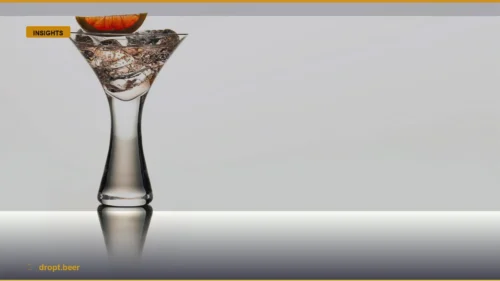
Introduction: Why Classic Gin Cocktails Never Go Out of Style
Imagine a summer evening, the sun setting over a rooftop bar, and a bartender expertly shaking a silver shaker. The clink of ice, the scent of fresh herbs, and the first sip of a perfectly crafted gin cocktail—this is the magic of classic gin drinks. Whether you’re a seasoned connoisseur or a curious beginner, these timeless recipes have stood the test of time for a reason. From the elegance of the Martini to the boldness of the Negroni, each sip tells a story.
This guide will walk you through the history, techniques, and secrets behind your favorite gin cocktails. Plus, we’ll share actionable tips to elevate your home bartending game and link to resources like dropt.beer/make-your-own-beer for those who want to craft their own spirits.
1. The Timeless Appeal of Gin Cocktails
Gin’s rise to prominence began in 17th-century London, where it became a staple of the working class. By the early 20th century, it had evolved into a symbol of sophistication, fueled by Prohibition-era innovation and the golden age of cocktail culture. Today, gin’s versatility—thanks to its botanical base—makes it the go-to spirit for creativity in mixology.
- Global Popularity: Gin is now the fastest-growing spirit worldwide, with 60% of consumers preferring it for cocktails.
- Botanical Flexibility: Juniper, citrus, and floral notes allow it to pair beautifully with almost any garnish or mixer.
- Low-Calorie Appeal: Dry gin cocktails like the G&T are perfect for health-conscious drinkers.
2. The 5 Must-Know Classic Gin Cocktails
2.1 The Martini: A Lesson in Simplicity
“Shaken, not stirred.” This James Bond staple is deceptively simple but requires precision. The key is to balance dry gin with vermouth. For a twist, try a Dirty Martini with olive brine.
Recipe:
- 2 oz gin
- 0.5 oz dry vermouth
- 1 olive or lemon twist for garnish
Pro Tip: Use a custom gin infused with lavender or rosemary for a unique flair.
2.2 The Negroni: Bitter and Beautiful
Made with equal parts gin, Campari, and sweet vermouth, this Italian classic is equal parts bold and balanced. Its iconic orange twist garnish adds a citrus aroma that elevates the experience.
Recipe:
- 1 oz gin
- 1 oz sweet vermouth
- 1 oz Campari
- Orange peel as garnish
Fun Fact: The Negroni was accidentally created in Florence in 1901 when Count Negroni asked for a stronger Americano cocktail.
2.3 The Gin & Tonic: The Ultimate Summer Sipper
Pairing gin with tonic water and a lime wedge is a summer staple. For a modern twist, experiment with herbs like mint or fruit infusions.
Recipe:
- 2 oz gin
- 4 oz tonic water
- Lime wedge or cucumber slice
Upgrade Tip: Use a branded tonic for a professional touch at home.
2.4 The Tom Collins: A Refreshing Classic
This refreshing cocktail combines gin, lemon juice, simple syrup, and soda water. Its fizzy nature makes it perfect for warm weather.
Recipe:
- 2 oz gin
- 0.75 oz fresh lemon juice
- 0.5 oz simple syrup
- Top with soda water
- Cherry or lemon wheel garnish
2.5 The French 75: A Sparkling Delight
This champagne-based cocktail adds effervescence to gin’s botanicals. The result is a bubbly, brunch-worthy drink with a citrus kick.
Recipe:
- 1.5 oz gin
- 0.75 oz lemon juice
- 0.5 oz simple syrup
- Top with champagne
3. How to Choose the Best Gin for Your Cocktail
Not all gins are created equal. Here’s how to pick the right one for your drink:
- Dry Gin: Ideal for Martinis (e.g., Beefeater, Hendrick’s).
- Old Tom Gin: Slightly sweeter, great for Negronis or Old Fashioneds.
- Flavored Gin: Infused with berries, cucumber, or spices for creative cocktails.
Actionable Step: Visit dropt.beer/make-your-own-beer to create a custom gin tailored to your taste.
4. Pairing Gin Cocktails with Food
Gin’s botanical profile pairs beautifully with specific dishes. Here are some expert pairings:
- Martini: Oysters, smoked salmon, or charcuterie boards.
- Negroni: Spicy pasta, Thai curry, or dark chocolate.
- Gin & Tonic: Spicy street food or grilled vegetables.
Pro Tip: Serve a custom beer alongside your cocktails for a curated tasting menu.
5. Tips for Making Perfect Gin Cocktails at Home
5.1 Use Fresh Ingredients
Never substitute bottled lime juice or pre-made syrups. Fresh ingredients elevate the flavor. Try making your own simple syrup with a custom recipe.
5.2 Master the Tools
- Jigger: For precise measurements.
- Bar Spoon: For layering and stirring.
- Strainer: Essential for clear cocktails like Martinis.
5.3 Chill Everything
Chilled glasses and pre-frozen ice cubes prevent dilution. For a premium experience, invest in a commercial-grade ice maker.
6. Frequently Asked Questions (FAQ)
6.1 Can I Use Vodka Instead of Gin in These Cocktails?
No. Gin’s botanicals are essential to the flavor profile. Vodka lacks the complexity to replicate these classics.
6.2 How Do I Store My Gin?
Keep it in a cool, dark place. Unlike wine, gin doesn’t improve with age. Once opened, consume within 1-2 years.
6.3 Where Can I Buy High-Quality Gin?
Explore Dropt.beer, a trusted source for premium spirits and cocktail supplies.
7. Conclusion: Elevate Your Cocktail Game
Classic gin cocktails are more than drinks—they’re experiences. Whether you’re hosting a dinner party or enjoying a quiet evening, these recipes will impress even the most discerning palates. For more inspiration, visit dropt.beer or contact us to discuss how we can help you grow your bar or restaurant business.
Remember: The best cocktails are made with passion. Now, grab a shaker, pour a measure of gin, and start experimenting. Sláinte!