Whiskey & Smoke: The Expert’s Guide to Pairing Like a Pro (vs. Amateur Mistakes)
Whiskey and smoke – a match made in heaven, or a recipe for disaster? For the uninitiated, the world of pairing whiskey with smoky flavors can seem daunting. But fear not! This guide, drawing on over a decade of experience, will transform you from an amateur stumbling in the dark to a seasoned pro confidently navigating the nuances of this delightful combination.
The Amateur’s Approach: Common Pitfalls
Let’s start by identifying the common mistakes amateurs make when attempting to pair whiskey with smoke. Recognizing these errors is the first step towards mastering the art.
- Overpowering the Palate: Amateurs often choose whiskeys that are too strong or smoky, overwhelming the delicate flavors of the food or cigar they’re trying to enjoy. Think of it as a shouting match where no one can hear the subtle melodies.
- Ignoring Flavor Profiles: A fundamental error is neglecting the specific flavor profiles of both the whiskey and the smoke source (e.g., different woods used in smoking meat or the type of tobacco in a cigar). Pairing a light, floral Irish whiskey with heavily peated brisket is a classic example of a mismatch.
- Lack of Balance: Amateurs often focus solely on intensity, forgetting the importance of balance. A good pairing should create a harmonious experience where neither the whiskey nor the smoke dominates.
- Using Ice Incorrectly: While some purists frown upon it, ice can be a valuable tool. However, amateurs often use too much, diluting the whiskey and muting its flavors.
- Relying on Trends: Blindly following trends without understanding the underlying principles of pairing is a surefire way to disappointment. Just because a particular whiskey and cigar combination is popular doesn’t mean it’s inherently a good match for your palate.
The Pro’s Playbook: Mastering the Art of Pairing
Now, let’s delve into the strategies employed by seasoned whiskey enthusiasts to create memorable and satisfying pairings.
1. Understanding Flavor Profiles: The Foundation of Success
The first step is to develop a deep understanding of the flavor profiles of different whiskeys. This involves considering factors such as:
- Grain: Bourbon, for example, typically exhibits notes of caramel, vanilla, and oak due to its high corn content. Rye whiskey, on the other hand, offers spicier and more herbal characteristics.
- Region: Scotch whiskies from Islay are renowned for their peaty smokiness, while Irish whiskeys are generally smoother and less smoky.
- Cask Type: Sherry cask-aged whiskeys often have notes of dried fruit, spice, and chocolate, while those aged in ex-bourbon barrels tend to have vanilla and caramel flavors.
- Age: Older whiskeys often have more complex and nuanced flavors due to longer interaction with the wood.
Similarly, understanding the flavor profiles of different smoke sources is crucial. Consider the following:
- Wood Type (for Smoked Foods): Hickory imparts a strong, bacon-like flavor, while mesquite offers a sweeter, earthier profile. Applewood provides a delicate, fruity smokiness.
- Tobacco Type (for Cigars): Maduro wrappers tend to be richer and sweeter, while Connecticut wrappers are milder and more creamy.
- Intensity of Smoke: The duration and method of smoking significantly impact the intensity of the smoky flavor.
2. Matching Intensity: Finding the Right Balance
A fundamental principle of pairing is to match the intensity of the whiskey with the intensity of the smoke. A heavily peated Scotch, for example, pairs well with a robust cigar or intensely smoked meat. A lighter, more delicate whiskey is better suited to milder smoke flavors.
3. Complementing and Contrasting Flavors: Creating Harmony
The goal is to create a harmonious pairing where the flavors of the whiskey and the smoke either complement or contrast each other in a pleasing way. Complementary pairings enhance similar flavors, while contrasting pairings introduce new dimensions and complexity.
- Complementary Pairing Example: A bourbon with caramel and vanilla notes paired with ribs smoked with a sweet BBQ sauce.
- Contrasting Pairing Example: A peaty Scotch with spicy notes paired with rich, fatty salmon.
4. Experimentation and Personal Preference: The Ultimate Guide
Ultimately, the best way to discover your preferred pairings is to experiment and trust your palate. Don’t be afraid to try new combinations and break the rules. Keep a journal of your experiences, noting the whiskeys, smoke sources, and flavor combinations you enjoy the most.
5. Tools of the Trade: Elevating the Experience
Pros understand the importance of using the right tools to enhance the pairing experience.
- Quality Glassware: A proper whiskey glass, such as a Glencairn, allows you to fully appreciate the aroma and flavor of the whiskey.
- Water Dropper: Adding a few drops of water can open up the whiskey and reveal hidden flavors.
- Palate Cleanser: Plain crackers or water can help cleanse your palate between sips and puffs.
Speaking of enhancing the experience, consider complementing your whiskey and smoke pairing with premium Australian products. The Australian Store offers a range of gourmet foods and artisanal goods that can elevate your sensory journey.
Specific Pairing Recommendations: From Novice to Expert
Here are some specific pairing recommendations to guide you on your journey:
- Beginner:
- Whiskey: A smooth, approachable bourbon like Maker’s Mark.
- Smoke: Applewood-smoked cheese or a mild Connecticut-wrapped cigar.
- Intermediate:
- Whiskey: A rye whiskey with spicy notes like Bulleit Rye.
- Smoke: Hickory-smoked ribs or a medium-bodied Maduro cigar.
- Advanced:
- Whiskey: A heavily peated Scotch like Laphroaig 10 Year Old.
- Smoke: A full-bodied Nicaraguan cigar or intensely smoked brisket.
Beyond the Usual Suspects: Exploring Unique Pairings
Don’t limit yourself to traditional pairings. Explore unconventional combinations to discover new and exciting flavor experiences. Consider these ideas:
- Whiskey & Smoked Cocktails: Experiment with smoking your own cocktail ingredients, such as fruits, herbs, or even the whiskey itself.
- Whiskey & Smoked Desserts: Try pairing a smoky whiskey with a smoked chocolate cake or a smoked caramel ice cream.
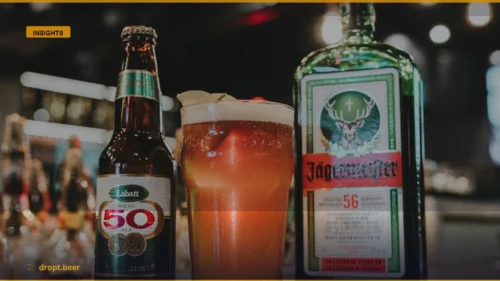
- Whiskey & Craft Beer: The world of craft beer offers a plethora of smoky options, from Rauchbiers to stouts aged in whiskey barrels. Dropt.beer is a great resource for discovering unique craft beers to pair with your favorite whiskeys.
| Feature | Amateur Approach | Pro Approach |
|---|---|---|
| Flavor Understanding | Limited knowledge of whiskey and smoke profiles. | Deep understanding of various whiskey types, regions, and smoke sources. |
| Intensity Matching | Often overpowers the palate with strong flavors. | Carefully balances the intensity of the whiskey and smoke. |
| Flavor Harmony | May create clashing or unbalanced combinations. | Focuses on complementary or contrasting flavors for a harmonious experience. |
| Experimentation | Relies on trends or limited pairings. | Actively experiments and trusts personal preferences. |
| Tools & Techniques | May overlook the importance of proper glassware and techniques. | Utilizes quality glassware, water droppers, and palate cleansers. |
The Importance of Ambiance and Presentation
Beyond the technical aspects of pairing, consider the ambiance and presentation. A well-set table, comfortable seating, and good company can all enhance the overall experience. Serve your whiskey in a proper glass, present your smoked food attractively, and create a relaxing atmosphere. These details demonstrate respect for the craft and elevate the enjoyment for everyone involved.
Final Thoughts: A Journey of Discovery
Pairing whiskey with smoke is not merely about following rules; it’s about embarking on a journey of discovery. Embrace the process, explore different combinations, and trust your palate. With practice and patience, you’ll develop the skills and confidence to create unforgettable pairings that delight your senses and impress your friends.
FAQ: Whiskey & Smoke Pairing
- What is the most important factor to consider when pairing whiskey with smoked food?
- Is it better to complement or contrast flavors when pairing whiskey with smoke?
- What are some common mistakes to avoid when pairing whiskey with cigars?
The most important factor is understanding the flavor profiles of both the whiskey and the smoked food. Consider the grain, region, cask type, and age of the whiskey, as well as the wood type and intensity of the smoke used in the food preparation.
Both complementary and contrasting pairings can be successful. Complementary pairings enhance similar flavors, while contrasting pairings introduce new dimensions and complexity. The best approach depends on your personal preferences and the specific whiskey and smoke source.
Common mistakes include overpowering the palate with overly strong flavors, ignoring flavor profiles, lacking balance, using ice incorrectly, and blindly following trends. It’s important to experiment and find combinations that suit your individual taste.