Vodka Ruski: Decoding the Expertise Behind a Classic – Are You a Pro or Just Pouring?
Ah, Vodka Ruski – the very name conjures images of snow-dusted landscapes, hearty toasts, and a spirit as clear and bracing as a winter’s day. But beyond the romanticism, lies a world of expertise, tradition, and subtle nuances that separate the casual vodka drinker from the true aficionado. In this article, we’ll explore the depths of Vodka Ruski, dissecting how the pros approach this iconic spirit, and how you can elevate your own vodka experience.
The Heritage and Craft of Vodka Ruski
Before we dive into the expert techniques, it’s crucial to understand the heritage of Vodka Ruski. True Vodka Ruski is more than just a drink; it’s a cultural artifact steeped in centuries of tradition. Originating in Russia, its production is governed by strict standards, often involving specific grains, pristine water sources, and time-honored distillation methods. This dedication to quality and heritage is what sets authentic Vodka Ruski apart from its globally produced counterparts.
The Pro’s Approach: Tasting and Appreciation
For the seasoned vodka connoisseur, tasting Vodka Ruski is an art form. Here’s how they approach it:
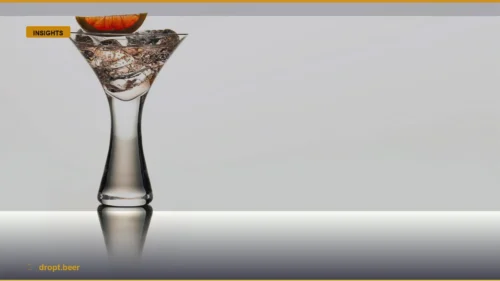
- The Glassware: Forget the shot glass. Pros opt for stemmed glasses, similar to those used for wine, to allow for swirling and nosing.
- The Temperature: While many believe vodka should be ice-cold, experts know that extreme temperatures can mask subtle flavors. Slightly chilled, around 5-10°C (41-50°F), is ideal.
- The Nose: Before taking a sip, the pro will swirl the vodka and inhale deeply. They’re looking for subtle aromas – hints of grain, minerals, or even a faint sweetness. Off-notes, like harsh alcohol or chemical smells, are immediate red flags.
- The Palate: The first sip is taken neat, allowing the vodka to coat the palate. Experts look for a smooth, clean taste, with a subtle warmth and a lingering finish. The best Vodka Ruski should have a distinct character without being overpowering.
- The Finish: The finish is just as important as the initial taste. Does the flavor linger pleasantly? Is there any harshness or burn? A clean, smooth finish is the hallmark of a well-made Vodka Ruski.
The Amateur’s Pitfalls: Common Mistakes to Avoid
Many casual vodka drinkers make common mistakes that prevent them from fully appreciating Vodka Ruski. Here are a few to avoid:
- Over-Chilling: As mentioned earlier, freezing vodka numbs the palate and masks its subtle flavors.
- Mixing with Overpowering Flavors: While Vodka Ruski is versatile in cocktails, using overly sweet or strong mixers can drown out its delicate character.
- Ignoring the Quality: Not all vodkas are created equal. Choosing a cheap, mass-produced vodka will inevitably lead to a subpar experience.
- Rushing the Experience: True appreciation takes time. Savor each sip, pay attention to the aromas and flavors, and allow yourself to fully experience the vodka.
The Art of the Cocktail: Vodka Ruski in Mixed Drinks
Even the pros enjoy a well-crafted cocktail. When using Vodka Ruski in mixed drinks, the key is to complement, not mask, its flavor. Here are a few classic and contemporary cocktails that showcase the spirit’s versatility:
- The Classic Martini: A simple yet elegant cocktail that highlights the purity of Vodka Ruski. Use a dry vermouth and garnish with a lemon twist or olives.
- The Moscow Mule: The spicy ginger beer and lime juice provide a refreshing counterpoint to the vodka’s smoothness.
- The Vodka Sour: A balanced blend of sweet, sour, and spirit, the Vodka Sour allows the subtle flavors of the vodka to shine through.
- The Bloody Mary: For the savory palate, a well-made Bloody Mary with Vodka Ruski offers a complex and satisfying experience.
When creating cocktails, remember to use fresh, high-quality ingredients. The better the ingredients, the better the cocktail will be.
Food Pairings: Enhancing the Vodka Ruski Experience
Vodka Ruski isn’t just for drinking; it can also be paired with food to enhance the overall experience. Here are a few pairings that work particularly well:
- Caviar: The classic pairing. The saltiness of the caviar is balanced by the clean, crisp taste of the vodka.
- Smoked Salmon: The rich, oily flavor of smoked salmon is complemented by the vodka’s refreshing character.
- Pickled Vegetables: The acidity of pickled vegetables cuts through the vodka’s smoothness, creating a palate-cleansing effect.
- Hearty Meats: Dishes like beef stroganoff or roasted pork pair well with the vodka’s warmth and subtle flavors.
Experiment with different pairings to discover your own favorite combinations. The key is to find flavors that complement and enhance the vodka’s character.
The Importance of Authenticity
In a world of mass-produced spirits, authenticity is paramount. When choosing Vodka Ruski, look for brands that adhere to traditional production methods and use high-quality ingredients. This will ensure that you’re getting a genuine product that truly represents the spirit’s heritage.
Consider exploring brands that prioritize sustainability and ethical production practices. Supporting these brands helps to preserve the traditions and integrity of Vodka Ruski for future generations.
Beyond the Bottle: Experiencing Russian Culture
To truly understand and appreciate Vodka Ruski, it’s helpful to immerse yourself in Russian culture. Explore Russian cuisine, music, and art to gain a deeper appreciation for the spirit’s origins.
Consider visiting Russia to experience the vodka firsthand. Many distilleries offer tours and tastings, allowing you to learn about the production process and sample different varieties. Check out the local breweries at DROPT for more options.
The Future of Vodka Ruski
While rooted in tradition, Vodka Ruski is also evolving to meet the demands of modern consumers. Distillers are experimenting with new flavors, production methods, and packaging designs.
However, the core values of quality, authenticity, and heritage remain paramount. As long as these values are upheld, Vodka Ruski will continue to be a beloved and respected spirit for generations to come.
Shopping for Vodka Ruski: A Pro’s Guide
Navigating the world of Vodka Ruski can be daunting. Here’s a pro’s guide to help you make informed choices:
- Read the Label: Look for information about the origin, ingredients, and production methods.
- Consider the Price: While price isn’t always an indicator of quality, extremely cheap vodka is often a sign of lower-quality ingredients and production.
- Seek Recommendations: Ask bartenders, liquor store owners, or fellow vodka enthusiasts for their recommendations.
- Try Different Brands: Don’t be afraid to experiment with different brands to find your favorite.
- Check out online stores: For unique selections and authentic products, explore retailers such as The Australian Store.
The Pro’s Toolkit: Essential Accessories
To elevate your Vodka Ruski experience, consider investing in a few essential accessories:
- Stemmed Glasses: As mentioned earlier, stemmed glasses are ideal for nosing and sipping vodka.
- Ice Molds: Large ice cubes melt slower, preventing your drink from becoming diluted.
- Jiggers and Measuring Spoons: For precise cocktail making.
- Cocktail Shaker: A must-have for creating classic vodka cocktails.
With the right tools and techniques, you can transform your home into a sophisticated vodka bar.
| Aspect | The Pro | The Amateur |
|---|---|---|
| Tasting | Uses stemmed glasses, sips neat at slightly chilled temperature, focuses on aroma and finish. | Drinks from shot glasses, over-chills, and mixes with overpowering flavors. |
| Cocktails | Uses fresh, high-quality ingredients to complement the vodka’s flavor. | Uses overly sweet or artificial mixers, masking the vodka’s character. |
| Food Pairings | Pairs with caviar, smoked salmon, and other complementary flavors. | Doesn’t consider food pairings or chooses flavors that clash with the vodka. |
| Shopping | Reads labels, seeks recommendations, and tries different brands. | Chooses based on price or brand recognition alone. |
| Appreciation | Understands the history and cultural significance of Vodka Ruski. | Treats vodka as just another alcoholic beverage. |
Conclusion: Elevating Your Vodka Ruski Experience
Vodka Ruski is more than just a drink; it’s an experience. By understanding the heritage, mastering the tasting techniques, and avoiding common mistakes, you can elevate your own vodka experience and appreciate this iconic spirit like a true pro. So, the next time you pour a glass of Vodka Ruski, take a moment to savor the aroma, appreciate the flavor, and toast to the rich traditions that have made this spirit a classic.
FAQ: Vodka Ruski
Q1: What makes Vodka Ruski different from other vodkas?
A: Vodka Ruski, when authentic, adheres to specific Russian production standards, often using particular grains and pristine water sources. The traditions and quality control differentiate it from mass-produced vodkas.
Q2: How should I properly store Vodka Ruski?
A: Store Vodka Ruski in a cool, dark place away from direct sunlight. While chilling is common, avoid freezing as it can mask the subtle flavors. A temperature of 5-10°C (41-50°F) is ideal for serving.
Q3: What are some classic Russian foods to pair with Vodka Ruski?
A: Classic Russian food pairings include caviar, smoked salmon, pickled vegetables, and hearty meat dishes like beef stroganoff. These flavors complement the vodka’s clean taste and enhance the overall experience.