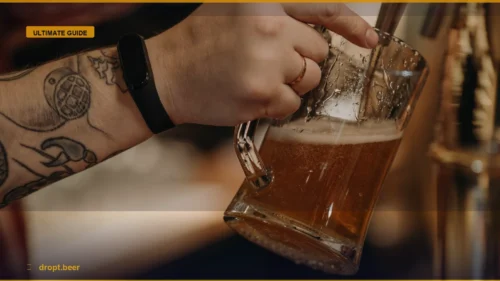
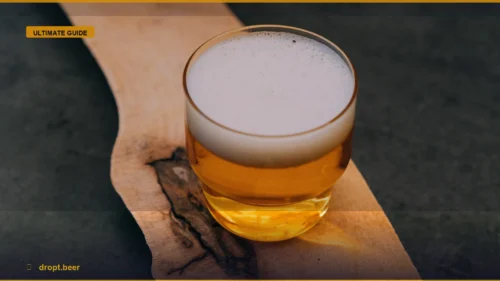
Forget the predictable glass of port or the ubiquitous espresso martini. If you truly want to elevate the final course of any meal, it’s time to introduce the complexity, carbonation, and glorious balance of craft beer. Beer dessert pairings are not just a trend—they are a sophisticated culinary strategy that leverages malt sweetness, roasted notes, and hop bitterness to cut through or perfectly complement rich sugars and fats. This is the expert’s guide to unlocking the magic of ‘beer dessert,’ transforming your perception of both brewing and baking.
Why Beer Is the Unsung Hero of Dessert Pairing
Many diners default to wine when considering dessert pairings, but beer offers several structural advantages that wine simply cannot match. A key element is carbonation. The gentle effervescence acts as a palate cleanser, resetting your taste buds after a heavy, sweet bite, allowing you to fully appreciate the next flavor. Furthermore, the inherent bitterness (even in minimal amounts) found in hops, balances extreme sweetness. The diverse malt profiles—ranging from caramel to coffee to dark chocolate—provide a mirror image to almost any dessert ingredient.
The Crucial Rules of Beer Dessert Pairing
Pairing is an art, but adhering to a few fundamental principles ensures success:
- Match Intensity: A light, delicate dessert requires a beer that won’t overwhelm it. Pair a citrus tart with a bright saison, not an Imperial Stout. Conversely, a rich chocolate lava cake demands the boldness of a stout or a barleywine.
- Complement or Contrast: Decide if you want the beer to echo the flavors of the dessert (complement) or cut through them (contrast). A complementary pairing might be pairing a salted caramel brownie with a rich milk stout. A contrasting pairing might involve pairing a creamy vanilla bean cheesecake with a tart, acidic Lambic.
- Control the Sweetness: The beer should almost always be slightly less sweet or have balancing elements (like tartness or roast) than the dessert. If the beer is sweeter, the dessert will taste bland.
Mastering the Match: Specific Pairing Strategies
Different desserts call for dramatically different beer styles. Understanding the style profiles is the first step toward becoming a pairing expert.
1. Pairing with Chocolate & Caramel
Chocolate is beer’s best friend. The roasted barley used in dark beers often shares the same flavor compounds found in cocoa beans.
- Dark Chocolate Cake or Fudge: Requires an Imperial Stout or a Bourbon Barrel-Aged Stout. The high ABV (Alcohol By Volume) and residual sugar stand up to the richness, while the roast notes enhance the chocolate flavor.
- Milk Chocolate or Caramel Desserts: Best paired with a robust Porter or a Milk Stout (Sweet Stout). The residual lactose in a Milk Stout harmonizes perfectly with creamy, buttery caramel flavors.
- Actionable Insight: Consider the hop profile; avoid overly aggressive IPAs, as their high bitterness can clash harshly with sugar, creating metallic or acidic flavors.
2. Pairing with Fruit, Citrus, and Custards
These lighter, often more acidic desserts need a beer that is equally bright and refreshing.
- Berry Tart or Panna Cotta: A Belgian Tripel or a Saison is ideal. Their high carbonation and fruity, sometimes peppery yeast notes cut through the fat of the cream and complement the natural fruit acidity.
- Lemon Meringue or Key Lime Pie: Look to a bright, slightly tart Berliner Weisse or a Gose. These styles have a refreshing sourness that mirrors the citrus and cleanses the palate wonderfully.
- Exotic Fruit Desserts: Try a highly carbonated Farmhouse Ale or even a slightly tart Fruit Lambic for an elegant contrast.
3. When the Beer Is the Dessert: Standalone Styles
Sometimes, the ultimate ‘beer dessert’ isn’t a pairing, but a singular, decadent style designed for sipping after a meal. These beers often mimic actual desserts in their flavor profiles, hence the rise of the ‘Pastry Stout.’
- Pastry Stouts: Loaded with adjuncts like vanilla, coffee, maple syrup, or cocoa nibs, these beers are intentionally sweet and viscous. They are meant to be consumed slowly in small quantities, serving as a complete dessert experience.
- Barleywines: These strong, high-ABV ales are often aged, developing complex notes of dried fruit, toffee, and sherry. They are the perfect end-of-meal sipper, offering warming comfort similar to a fine Cognac. If you’re looking for unique, small-batch releases of these intense, flavorful styles, you can often find niche producers promoting their craft through the dropt.beer/ Home platform.
- Oud Bruin / Flanders Red Ale: These sour, acetic styles offer rich, dark fruit flavors reminiscent of balsamic vinegar or aged red wine. They provide a tart, complex finish perfect after a heavy meal.
Elevating Your Offerings: Beer-Infused Desserts
Beyond pairing, integrating beer directly into the dessert recipe can create unforgettable flavors. This is where your culinary creativity truly shines.
Using beer as an ingredient adds moisture, unique yeast flavors, and fermentation complexity. For example:
- Baking a rich chocolate stout cake using an Oatmeal Stout.
- Creating a beer caramel sauce using a robust Bock.
- Making a subtle hop-infused ice cream using a highly aromatic, low-bitterness IPA.
If you’re inspired to experiment with your own chocolate or coffee stouts for baking or drinking, check out how you can start to Make Your Own Beer and tailor the flavor profile specifically for dessert applications.
The Logistics of Serving the Perfect Beer Dessert
Even the perfect pairing can fall flat if the serving conditions are incorrect.
- Temperature Matters: Dessert beers, especially Stouts, Barleywines, and Porters, should be served slightly warmer than typical lagers—around 50-55°F (10-13°C). This allows the complex malt sugars and high-ABV notes to fully express themselves.
- Glassware Selection: Use small, stemmed glassware (like snifters or tulip glasses) for high-ABV dessert beers. This concentrates the rich aromas and encourages slow, contemplative sipping, befitting the grand finale of a meal.
- Portion Control: Dessert beers are heavy. A 4 to 6-ounce pour is often sufficient and leaves the palate satisfied, not overwhelmed.
SEO Focus: Acquiring Premium Dessert Beers
Finding that perfect, limited-edition pastry stout or barrel-aged barleywine requires access to a wider market. Whether you are a dedicated home consumer or a restaurant looking to stock unique pairings, utilizing specialized distribution channels is key. If you are a brewer looking to share your decadent dessert beers with a broader audience of distributors and retailers, consider leveraging the advanced capabilities of the Beer distribution marketplace (Dropt.beer).
FAQ: Common Questions About Beer Dessert
Q1: Can I pair a sour beer with chocolate?
Yes, absolutely! While counter-intuitive, the intense tartness of a Flanders Red or a Belgian Kriek (cherry sour) can provide a delicious contrast to dark, bitter chocolate, echoing flavors often found in European-style chocolate fruit candies.
Q2: Should the beer be carbonated for dessert pairings?
High carbonation is usually beneficial as it cleanses the palate. However, extremely high-ABV beers like Barleywines are often naturally lower in carbonation. For these heavy styles, the rich, smooth texture replaces the need for aggressive scrubbing bubbles.
Q3: What’s the best beer for a classic apple pie?
Try a Doppelbock or a high-quality Brown Ale. The malty notes of toffee, dark bread, and caramel in these styles harmonize perfectly with the baked cinnamon and crust of the pie.
Conclusion: End Your Meal with Sophistication
The world of ‘beer dessert’ is rich, complex, and deeply satisfying. By moving beyond traditional pairings and embracing the versatility of craft beer, you not only enhance the flavor of your final course but also showcase a level of culinary sophistication that is truly unforgettable. Whether you are aging a robust Barleywine for a special occasion or simply trying a Milk Stout with your next scoop of ice cream, take the plunge into this delicious new frontier. Ready to start serving these high-value pairing experiences? Discover strategic resources and partnership opportunities to stock or Grow Your Business With Strategies Beer today.