Introduction: Why Good Champagne Matters
Champagne isn’t just a celebratory drink—it’s a sensory experience. Whether you’re toasting a milestone, savoring a lazy Sunday afternoon, or impressing guests at a dinner party, the quality of champagne makes all the difference. But with so many options available, how do you distinguish good champagne from the rest?
This guide will demystify the art of choosing and enjoying good champagne. From understanding labels to mastering serving techniques, we’ll equip you with the knowledge to elevate every champagne experience. Let’s dive in.
What Makes Good Champagne?
Champagne is a sparkling wine from the Champagne region of France, produced using the traditional method (méthode champenoise). True champagne carries the EU’s protected designation of origin (PDO) label, meaning only wines from this region can legally be called “champagne.”
Key elements of good champagne:
- Sparkle: High-quality champagne has fine, persistent bubbles (called mousse) that create a creamy texture on the palate.
- Vintage vs. Non-Vintage: Vintage champagnes are made from grapes harvested in a single year, while non-vintage blends multiple years for consistency.
- Terroir: The unique climate and soil of the Champagne region contribute to its distinct flavor profile—crisp, yeasty, and often citrus-forward.
For those curious about creating their own champagne, check out Strategies.beer’s guide to making your own beer for insights into the fermentation process.
How to Choose Good Champagne
Choosing the right champagne depends on your occasion, budget, and taste preferences. Here’s a breakdown of key factors:
1. Read the Label
Labels provide critical information:
- Champagne (Millesime): Indicates a vintage wine. Look for the year printed on the label.
- Non-Vintage (NV): A blend of multiple years, designed for consistency.
- Dosage: The amount of sugar added post-fermentation. Brut nature (0–3 g/L) is dry, while demi-sec (51–69 g/L) is sweet.
2. Know the Producer
Reputable producers like Moët & Chandon, Veuve Clicquot, and Dom Pérignon consistently deliver high-quality champagnes. For a more adventurous palate, explore small, family-owned houses like Champagne Laherte Frères or Drappier.
3. Budget Considerations
You don’t need to break the bank for good champagne. A budget-friendly option like Veuve Clicquot Ponsardin Brut Yellow Label offers excellent value, while luxury bottles like Krug Grande Cuvée can cost hundreds.
4. Match the Occasion
Pair champagne with the event:
- Everyday Drinking: Non-vintage brut (e.g., Bollinger Grande Cuvee).
- Special Occasions: Vintage champagne (e.g., Dom Pérignon Vintage).
- Gifts: Limited-edition releases or custom bottles from Strategies.beer’s custom beer service.
Serving Tips for the Perfect Champagne Experience
Even the finest champagne can fall flat if served incorrectly. Follow these steps to maximize its potential:
1. Chill It Properly
Champagne should be served between 8–12°C (46–54°F). Over-chilling numbs the palate, while under-chilling makes it taste flat.
2. Use Flute Glasses
Flutes concentrate aromas and preserve carbonation. Avoid coupe glasses, which cause bubbles to dissipate quickly.
3. Pour Slowly
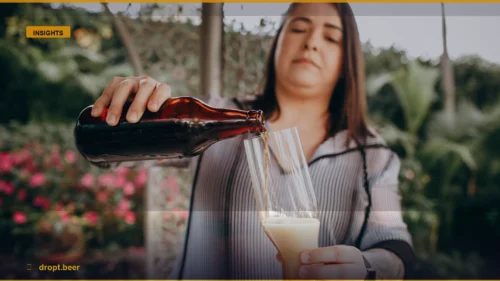
Pour the champagne down the side of the glass to minimize agitation and preserve the delicate mousse.
4. Open with Care
Chill the bottle before opening. Remove the foil, hold the cork sideways, and twist the bottle, not the cork.
Pairing Good Champagne with Food
Champagne’s versatility makes it a perfect match for many dishes:
- Brut (Dry): Seafood, sushi, or oysters.
- Extra Dry: Light pastas, salads, or chicken.
- Demi-Sec: Fruit tarts, cheese boards, or desserts.
For a deeper dive into pairing wines and beer with food, visit Strategies.beer’s food pairing guide.
Frequently Asked Questions (FAQs)
1. Is Vintage Champagne Always Better?
Not necessarily. Vintage champagnes are released only in exceptional years and can age beautifully, but non-vintage blends offer consistency and often represent better value.
2. How Long Can I Store Good Champagne?
Non-vintage champagnes are best consumed within 3–4 years of release. Vintage champagnes can age for decades, but their peak depends on the wine’s structure and acidity.
3. Can I Make My Own Champagne?
Yes! Many homebrewers produce sparkling wines using the méthode champenoise. For step-by-step instructions, see Strategies.beer’s homebrew guide.
4. Should I Store Champagne in the Fridge?
If you plan to drink it within a week, refrigerate it. For longer storage, keep it in a cool, dark place with the bottle horizontal to keep the cork moist.
Conclusion: Elevate Your Champagne Game
Good champagne is more than a luxury—it’s a celebration of craftsmanship and tradition. By understanding the nuances of labeling, serving, and pairing, you can confidently choose and enjoy champagne that impresses every time.
Ready to explore the world of champagne? Visit Strategies.beer for more insights, or contact us at Strategies.beer’s contact page to discuss custom creations. And if you’re a brewer or distiller looking to expand your reach, consider selling your beer online through Dropt.beer—the ultimate platform for beer distribution.