Quick Answer
Brandy is a redundant, cloying addition that masks the bright, fruit-forward profile of a proper sangria. For a superior drink, skip the spirits entirely and focus on macerating fresh fruit in quality, high-acid wine.
- Use a young, fruit-forward red like Garnacha or Tempranillo.
- Macerate your fruit with sugar for at least two hours before adding wine.
- Always top with chilled club soda just before serving to maintain carbonation.
Editor’s Note — Fiona MacAllister, Editorial Director:
I’m of the firm view that the obsession with adding brandy to sangria is a lazy shortcut for people who don’t understand how to build flavor through maceration. If you can’t make a punch sing with wine, fruit, and a little citrus, adding high-proof spirit won’t save it—it will just give your guests a headache. Lena Müller’s research on the historical origins of this drink is exceptional, proving that the “brandy requirement” is a modern marketing invention, not a tradition. Stop relying on crutches. Read her guide and learn to balance acidity and sweetness the right way.
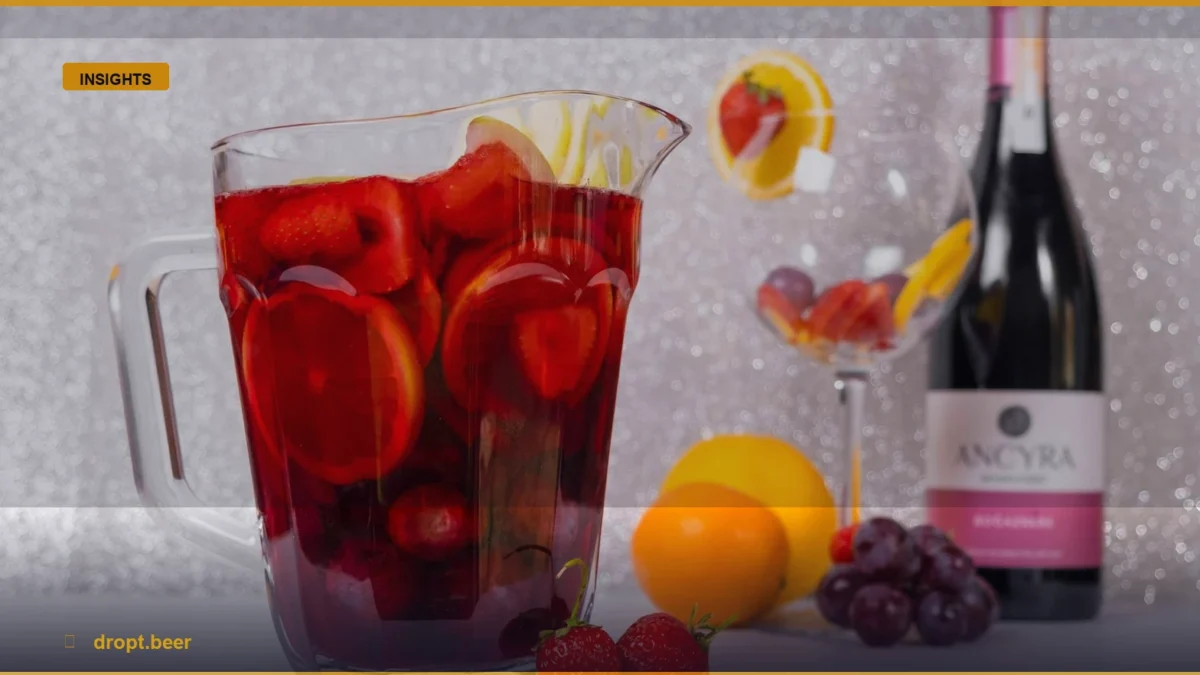
The sound of a wooden spoon clinking against a glass pitcher is the unofficial rhythm of a Friday evening. It’s a messy, tactile process—squeezing juice from a bruised orange, fishing a rogue strawberry out of the bottom of the glass, and watching the deep, stained-glass hue of the red wine swirl into the ice. We’ve been conditioned to think that this process requires a heavy pour of brandy to make it “authentic.” It doesn’t.
The truth is, brandy is the unwanted guest at your garden party. It’s an aggressive, wood-heavy spirit that steamrolls the delicate tannins and bright acidity of the wine, turning a refreshing summer drink into a syrupy, one-note mess. If you want a sangria that actually tastes like fruit and wine—rather than high-octane cough syrup—you need to stop reaching for the brandy bottle and start focusing on the chemistry of maceration.
The Myth of the ‘Authentic’ Pour
If you look at the guidelines set out by the BJCP (Beer Judge Certification Program) for various fruit-based beverages, you’ll notice a recurring theme: the balance of base ingredients is paramount. Adding a spirit like brandy isn’t a historical necessity; it’s a mid-20th-century marketing pivot. Before the 1970s, sangria was a peasant drink. It was a way to make inexpensive, acidic wine palatable by soaking it in whatever seasonal fruit was available. The original Spanish “sangría” was about survival and local terroir, not about spiking a punch with expensive French or Spanish brandy.
Today, the industry often pushes the idea that you need a fortified spirit to “extract” flavor from the fruit. This is nonsense. Alcohol is a solvent, yes, but the sugar in the fruit and the acid in the wine do the heavy lifting. When you add high-ABV brandy, you’re not extracting more flavor—you’re just diluting the wine’s character with ethanol. A well-constructed sangria should be sessionable, not a nap-inducing cocktail.
Building the Perfect Base
To make a stellar sangria, start with the right wine. You don’t need a vintage bottle, but you do need something with enough acidity to stand up to the fruit. A young Garnacha from Spain is perfect; it’s naturally juicy, low in tannin, and possesses a vibrant red-berry profile that plays well with citrus. Avoid anything too oaky or high in tannin, like a heavy Cabernet Sauvignon, as the tannins will turn bitter once the fruit acids start interacting with them.
The secret isn’t the spirit; it’s the time. Take your sliced citrus—lemons, limes, and oranges—and toss them in a bowl with a tablespoon of superfine sugar. Let them sit for at least thirty minutes until the fruit starts to weep its own juices. This process, known as maceration, breaks down the cell walls of the fruit and creates a concentrated syrup that will integrate into the wine far better than any spirit ever could. Once the fruit is softened and the syrup is formed, add your wine and let it chill. The flavors will marry over the course of a few hours without the need for a single drop of brandy.
Refining the Finish
Once you’ve mastered the base, look at your modifiers. If you feel the drink lacks a certain “lift,” don’t add brandy. Add a splash of fresh orange juice or a tiny bit of orange liqueur, like Cointreau. This provides the aromatic citrus punch that brandy is often erroneously credited for, but without the heavy, scorched-earth finish. In our modern drinking culture, we often confuse complexity with alcohol content. Complexity comes from the interaction of organic acids, sugars, and tannins.
Consider the experience of drinking a sangria at a traditional bodega in Madrid. It’s light, it’s cold, and it’s served in a simple glass. It doesn’t weigh you down. When you prepare this at home, keep it simple. Use fresh, high-quality fruit, a wine that highlights the fruit rather than the barrel, and finish it with a splash of high-quality sparkling water or club soda right before serving. This adds a texture that makes the wine feel alive. If you follow this path, you’ll find that brandy wasn’t just unnecessary—it was actively making your drinks worse. For more guides on refining your home bar, keep checking in with the team at dropt.beer.
Your Next Move
Stop buying brandy and start mastering the art of fruit maceration to elevate your next batch of sangria.
- [Immediate — do today]: Buy a bottle of young, unoaked Garnacha and a bag of fresh citrus to prep your base for a weekend batch.
- [This week]: Experiment with a ‘white’ sangria using an acidic Albariño and stone fruits to see how the lack of heavy spirits changes the flavor profile.
- [Ongoing habit]: Every time you make a batch, record the time you let the fruit macerate; you’ll soon find the ‘sweet spot’ for your preferred level of fruit intensity.
Frequently Asked Questions
Does sangria need to sit overnight?
No. While many recipes suggest an overnight soak, this often leads to the fruit turning mushy and the wine losing its bright, fresh character. Four to six hours is the sweet spot. Anything longer, and you risk the fruit pulp breaking down too much, which can make the drink cloudy and give it a “fermented” or over-extracted taste that isn’t particularly pleasant.
What is the best type of wine to use?
Use a young, unoaked red wine with moderate tannins and high acidity. Garnacha, Tempranillo, or even a basic Sangiovese are ideal choices. You want a wine that acts as a canvas for the fruit. Avoid heavy, tannic wines like Cabernet Sauvignon or Syrah, as the tannins will clash with the acidic fruit juices and create a bitter, metallic aftertaste that masks the refreshing nature of the drink.
Can I use frozen fruit?
You can, but it’s not ideal. Frozen fruit tends to have a water-logged texture and releases its color and juice too quickly, which can look unappealing in a glass. If you must use frozen fruit, do not thaw it completely before adding it to the wine; let it thaw in the wine itself. However, fresh, seasonal fruit will always provide a better visual presentation and a cleaner, more vibrant flavor profile.
How do I keep the sangria fizzy?
The only way to keep sangria fizzy is to add the sparkling element at the very last second. Do not mix your soda water into the pitcher hours before serving. Build your wine and fruit base in the pitcher, keep it chilled, and then top each individual glass with chilled club soda or sparkling water as you pour. This ensures every sip retains the crisp, refreshing carbonation that distinguishes a great sangria from a flat, sweet wine punch.
