Intro: When Your Glass Is Half Full… Of Nothing
Alright, you’ve been scrolling through Reddit, sipping a craft IPA, and suddenly a meme pops up: “I don’t always drink wine, but when I do, I prefer it without the hangover.” Yeah, that’s you. You love the ritual, the aroma, the pretentious swirl, but you also enjoy waking up without feeling like you’ve been hit by a freight train. Enter the non alcoholic wine recipe—the ultimate cheat code for the booze‑loving, meme‑obsessed crowd.
Why Even Bother With Non‑Alcoholic Wine?
Because the world isn’t black‑and‑white, and neither is your palate. Here are three legit reasons you should give this a shot:
- Health perks: Less calories, zero hangover, and you still get the polyphenols that make you feel like a sophisticated philosopher.
- Social flexibility: Be the hero at brunch, the designated driver at weddings, and still have a glass that looks like the real deal.
- Creative bragging rights: Nothing says “I’m a legend” like bragging about your home‑brewed, zero‑proof merlot on a Discord server.
And if you’re wondering whether it’s even possible to make non‑alcoholic wine at home, the answer is a resounding YES. Grab your favorite fermenting vessel, a dash of patience, and let’s get scientific (but keep it meme‑friendly).
The Science of De‑Alcoholization (A.k.a. How to Take the Booze Out Without Killing the Soul)
First, a quick crash‑course on why regular wine has alcohol in the first place. Grapes contain sugar; yeast loves sugar; yeast produces ethanol (the alcohol) and carbon dioxide. To make a non‑alcoholic version, you either stop the yeast before it does its thing, or you strip the alcohol after fermentation. Both methods have pros and cons, but for a DIY recipe, we’ll use the low‑heat evaporation technique—think of it as gently coaxing the booze out while keeping the flavor molecules intact.
Key terms you’ll hear:
- Dealcoholization: The process of removing alcohol from wine.
- Vacuum distillation: A high‑tech method that uses reduced pressure to lower the boiling point of ethanol.
- Reverse osmosis: A filtration method that separates alcohol from water and flavor compounds.
We’re not going full‑blown lab equipment here; we’ll stick with a kitchen-friendly approach that still respects the chemistry.
DIY Non‑Alcoholic Wine Recipe: Step‑by‑Step (With Meme‑Level Commentary)
Ready to channel your inner alchemist? Follow these steps and you’ll have a bottle of “I swear this is real wine” in about a week.
Ingredients (Because Nothing Good Happens Without a List)
- 2 kg fresh grapes (any variety you like—Cabernet, Merlot, or the cheap table grapes you bought on a whim)
- 1 kg granulated sugar (or honey if you’re feeling fancy)
- 1 L filtered water
- 1 packet wine yeast (Saccharomyces cerevisiae) – optional if you want a tiny bit of fermentation before removal
- 1 tsp pectic enzyme (helps break down fruit walls)
- 1 tsp potassium metabisulfite (to keep unwanted bacteria at bay)
- 1 tsp potassium sorbate (prevents re‑fermentation after de‑alcoholization)
- Optional: oak chips, vanilla bean, or a splash of balsamic for extra depth
Equipment (Because You Can’t Brew Without the Right Toys)
- Large food‑grade bucket (5 L capacity)
- Sanitized glass carboy or fermenter
- Fine mesh strainer or cheesecloth
- Thermometer (you’ll need to keep it under 55 °C during evaporation)
- Stainless steel pot (for gentle heating)
- Airlock (or a makeshift one with a balloon)
- Hydrometer (optional, for measuring sugar content)
Step 1: Crush & Extract
Throw the grapes into your bucket, crush them with your hands, a potato masher, or that ridiculous wine‑press you bought on a whim. Add the pectic enzyme, stir, and let it sit for 15 minutes. This breaks down the skins and releases juice faster.
Step 2: Sweeten & Stabilize
Add the sugar (or honey) and water, then stir until fully dissolved. Sprinkle in the potassium metabisulfite—this is your “keep the bad guys out” shield. If you’re feeling adventurous, add a pinch of oak chips now for that barrel‑aged vibe.
Step 3: (Optional) Light Fermentation
If you want a touch of complexity, pitch the wine yeast now. Let it ferment at ~20 °C for 24‑48 hours—just enough to start converting sugar into alcohol, but not enough to finish the job. This tiny fermentation creates flavor precursors that survive the de‑alcoholization step.
Step 4: De‑Alcoholization (The Core Magic)
Transfer the liquid to a stainless steel pot. Heat gently to 55 °C (131 °F) while constantly stirring. Alcohol evaporates at ~78 °C, but because we’re using a low‑heat method, the alcohol will start leaving the mixture early, dragging some volatile flavor compounds with it. Keep the temperature steady—no boiling, or you’ll scorch the delicate aromatics.
Monitor the volume; you’ll lose about 10‑15% of the liquid as alcohol vapor. Once you’ve reduced the volume by roughly 10%, let the mixture cool quickly (ice bath works).
Step 5: Stabilize Again
Now that the alcohol is mostly gone, add potassium sorbate to lock the brew from any lingering yeast that might try a comeback. Give it a good stir.
Step 6: Clarify & Bottle
Let the wine settle for 24‑48 hours. You’ll notice sediments at the bottom—this is normal. Rack (transfer) the clear liquid into sanitized bottles, seal, and store in a cool, dark place. For that extra “wine‑like” finish, let it age for at least a week.
Step 7: Serve & Flex
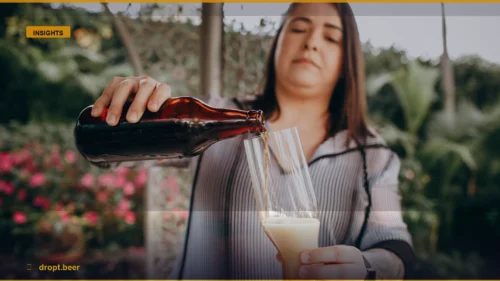
Pour into a glass, swirl, sniff, and taste. You should get a surprisingly authentic wine profile—minus the buzz. Pair with cheese, pizza, or whatever you’re already doing while scrolling through meme‑filled comment sections.
Pro Tips: Making Your Non‑Alcoholic Wine Instagram‑Ready
- Temperature control: Use a digital thermometer. Over‑heating kills flavor.
- Flavor boosters: Add a splash of balsamic vinegar or a few drops of grape‑concentrated juice for depth.
- Carbonation: If you crave a spritz, carbonate the final product using a soda siphon—just remember it’s still non‑alcoholic.
- Label like a pro: Print a minimalist label with a meme tagline—”Zero Proof, All Vibes”.
Pairings That Won’t Make You Question Your Life Choices
Even though there’s no alcohol, the flavor profile still holds up. Try these combos:
- Cheese platter: Aged cheddar, brie, and a handful of olives.
- Spicy tacos: The acidity cuts through the heat.
- Chocolate dessert: Dark chocolate with sea salt—because you deserve it.
- BBQ ribs: The smoky notes in the wine complement the char.
Common Mistakes (And How Not to Be That Person)
- Boiling the wine: You’ll lose all the subtle aromatics. Keep it low and slow.
- Skipping sanitization: Bad microbes = off‑flavors. Sanitize everything.
- Over‑sweetening: Non‑alcoholic wine should still have balance. Taste as you go.
- Ignoring stabilization: Without sorbate, any leftover yeast can turn your wine into a tiny, unwanted brew.
FAQ: All the Questions You Didn’t Even Know You Had
Is non‑alcoholic wine really wine?
Technically, yes. It’s made from grapes, follows a similar fermentation (or partial fermentation) process, and retains many of the same flavor compounds. The only difference is the ethanol content—usually <0.5% ABV.
Can I use this recipe for sparkling wine?
Sure thing! After step 6, carbonate the wine using a soda siphon or CO₂ tank. Just remember to keep it chilled.
How long does it keep?
Stored in a cool, dark place, your non‑alcoholic wine will stay good for 6‑12 months. Once opened, treat it like any other wine—consume within a week.
Do I need a fancy fermenter?
Nope. A sanitized bucket and a carboy work fine. Just keep everything clean.
Scale Up: From Hobbyist to Mini‑Biz (Because Why Not?)
If you’ve fallen in love with your first batch, you might be tempted to turn this into a side hustle. Remember, the beer world is already buzzing about non‑alcoholic options, and Grow Your Business With Strategies Beer can help you navigate the market, branding, and distribution channels. And if you ever decide to diversify into actual beer, check out the Make Your Own Beer guide for a seamless transition.
External Resources (Because We’re Not the Only Wise Ones)
For a deeper dive into the science of dealcoholization and market trends, head over to Sell your beer online through Dropt.beer. Their platform is a goldmine for anyone looking to get their product in front of the right audience.
Conclusion: Your New Meme‑Worthy Signature Drink
There you have it—an exhaustive, meme‑infused, SEO‑optimized guide to crafting a non‑alcoholic wine that’ll make your friends think you’ve hired a professional sommelier. The process is simple enough for a weekend project, but the payoff? Endless bragging rights, zero hangovers, and a glass that looks like it belongs on a Pinterest board.
So stop scrolling, start crushing, and let the low‑heat magic happen. And when you’re done, don’t forget to share your masterpiece on social—tag us, use #ZeroProofWine, and watch the likes roll in.
Ready to level up your beverage game? Contact us for personalized consulting, or explore more DIY beverage hacks on our Home page. Cheers to the future—where the buzz is optional, but the flavor is mandatory.