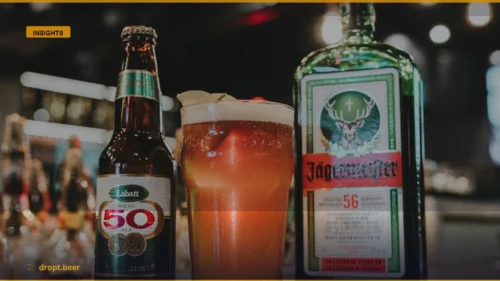
You’re settling in after a long day. Maybe you reach for a crisp, cold IPA, or perhaps you prefer the warming complexity of a single malt scotch. Both are exceptional beverages, the result of masterful craftsmanship. But have you ever stopped to consider the journey they took from raw grain to glass? While both breweries and distilleries are temples of liquid enjoyment, they are fundamentally different operations.
For the avid alcohol enthusiast, understanding the critical distinction between a distillery and a brewery isn’t just trivia—it’s the key to appreciating the subtle complexities and intense labor behind your favorite drinks. This knowledge transforms you from a casual drinker into a true connoisseur. Ready to take a deep dive into alcohol production? Let’s explore the fascinating world where grain meets expertise.
The Fundamental Difference: Fermentation vs. Distillation
At the highest level, the difference boils down to a single, critical step: concentration. Both processes start similarly—by fermenting sugar (derived usually from grains, fruits, or vegetables) using yeast to create alcohol (ethanol).
What Happens in a Brewery? The World of Beer
A brewery is dedicated primarily to making beer. The entire process hinges on fermentation, followed by packaging. The core steps are:
- Milling: Grains (usually malted barley) are cracked to expose starches.
- Mashing: Grains are soaked in hot water, converting starches into fermentable sugars. This sugary liquid is called wort.
- Boiling: The wort is boiled, often with hops added for bitterness, aroma, and preservation.
- Fermentation: Yeast is added to the cooled wort, consuming the sugars and producing alcohol and CO2.
- Conditioning/Packaging: The beer is clarified, potentially conditioned, and packaged into bottles, cans, or kegs.
Crucially, in a brewery, the finished product is the fermented liquid itself. Beer typically ranges from 3% to 15% alcohol by volume (ABV). The skill of a brewer lies in balancing flavors, managing yeast health, and controlling temperature precisely. If you are looking to explore this world further, learning how to Make Your Own Beer can offer invaluable insight into the process.
Unraveling the Distillery: Where Spirits Are Born
While distilleries also begin with fermentation (often creating what is essentially a strong, unhopped beer or wine wash), their defining process is distillation. Distillation is the act of heating this fermented liquid (the “wash” or “mash”) in a still to separate and concentrate the alcohol.
- Alcohol boils at a lower temperature than water.
- By carefully controlling the heat, the distiller vaporizes the alcohol, leaving most of the water and undesirable compounds behind.
- The alcohol vapor is then cooled back into liquid form, resulting in a much higher concentration of ethanol.
This process transforms a weak alcoholic base (often 8-10% ABV) into a powerful spirit, typically bottled between 40% and 50% ABV (80 to 100 proof). Products like whiskey, vodka, rum, tequila, and gin are all born in a distillery. The choice of still (pot or column), the number of distillations, and the aging process (especially barrel selection for whiskey) determine the spirit’s final character and quality.
The Product Spectrum: Beyond Beer and Whiskey
The lines are sometimes blurred, especially with modern craft producers pushing boundaries, but the end product usually dictates the classification.
Brewery Products
Breweries focus on traditional beer styles (Lagers, Ales, Stouts, Sours) but also extend into adjacent, low-ABV fermented beverages like hard seltzers, kombuchas, and sometimes cider (though cider mills are distinct). The emphasis is always on capturing the full flavor profile of the fermented wash.
Distillery Products
Distilleries create spirits that require distillation. Even non-alcoholic beverages are often handled differently. For example, many craft distilleries now produce Ready-to-Drink (RTD) cocktails, but the base alcohol must first be distilled. Aging is a massive component here, turning harsh, young spirits into mature, complex whiskeys and brandies.
The Legal and Commercial Framework
The difference in processes translates directly into distinct legal and regulatory hurdles. Tax classification, licensing, and distribution channels vary significantly between beer and spirits production. Historically, breweries operated under different jurisdictions than distilleries, impacting everything from permissible production volume to where they could sell their products.
For entrepreneurs, this distinction is crucial. Starting a brewery requires different equipment (brewhouses, fermenters) and a focus on local distribution and draught sales. Starting a distillery requires expensive stills, extensive aging facilities, and navigating complex federal regulations regarding high-proof spirits.
However, the modern market often sees crossover. “Brewstilleries” are hybrid operations that hold both licenses, allowing them to utilize their beer fermentation capacity to create washes for distillation, often leading to unique products like grain-to-glass whiskeys made from their own signature beer recipes.
Consumer Insights: Why Should You Care?
Understanding the “how” enhances the “what.” Knowing whether you are drinking a product defined by fermentation or distillation allows you to better assess quality, recognize regional styles, and make more informed purchasing decisions.
- For Beer Lovers: Appreciate the nuanced role of yeast strains and hop varietals that define a brewery’s signature.
- For Spirit Enthusiasts: Recognize how the shape of a still (e.g., copper pot vs. column) imparts specific characteristics to the spirit, making one scotch heavier and richer than another.
If you’ve ever dreamt of taking your love of unique flavor profiles a step further, perhaps by developing your own brand or seeking truly bespoke alcoholic beverages, knowing the logistics of both crafts is essential. You can even create your own signature beverage tailored precisely to your palate.
Monetizing the Craft: Distribution and Sales
The journey from the production floor to your glass relies heavily on efficient distribution. While beer typically moves faster due to its shelf life and volume, spirits often involve longer aging periods and require robust inventory management.
Whether you’re selling a limited-edition barrel-aged stout or a rare single-cask bourbon, access to the right market channels is vital. The digital transformation has made it easier for producers to reach enthusiasts directly. For those managing or starting a craft alcohol business, mastering sales logistics is paramount. You can explore modern channels to Sell your beer online through Dropt.beer, connecting producers directly with retailers and consumers.
Frequently Asked Questions About Alcohol Production
Is whiskey brewed before it is distilled?
Yes, in a sense. Whiskey production begins by creating a fermented wash—often called “distiller’s beer”—from grains (like barley, corn, or rye). This wash contains alcohol (ethanol) produced by yeast. however, this wash is generally unhopped and tastes quite raw; it is simply the feedstock for the distillation process that follows.
Can a brewery also be a distillery?
Yes, absolutely. These hybrid operations are often called “brewstilleries.” They require separate federal and local licenses for both activities but are increasingly common in the craft sector. This setup allows for integrated production, where the same high-quality grains used for brewing are then used for spirit production.
Which process is older? Brewing or Distilling?
Brewing (the fermentation of grain to create beer or wine) is significantly older, with evidence dating back thousands of years to ancient civilizations like Sumeria. Distillation came much later, evolving from alchemical practices in the Middle Ages, initially for medicinal purposes before becoming widespread for beverage production.
Do distilleries need yeast?
Yes. Distillation requires alcohol, and alcohol is created through fermentation. Therefore, distilleries rely heavily on yeast to convert starches or sugars (from molasses, grapes, or grain mash) into the alcoholic base needed for the still.
Conclusion: Appreciating the Craftsmanship
Whether you prefer the complex balance of a quadruple IPA or the smoky depth of an aged rye, your drink is the result of specialized environments and unique skills. Breweries are masters of fermentation, delivering freshness and nuanced carbonation. Distilleries are alchemists of concentration, delivering purity and aging complexity.
Next time you raise a glass, take a moment to appreciate the journey—the careful temperature control, the precise cuts of distillation, and the dedication of the artisans. By recognizing the difference between the brewery and the distillery, you gain a richer understanding of the world’s most celebrated beverages. Continue your exploration and deepen your knowledge of the craft. Visit the dropt.beer/ Home page for more insights into the alcohol industry.