The Ultimate Guide to Oktoberfest Beer: History, Styles, and Strategic Planning
The annual celebration of Oktoberfest, held primarily in Munich, Germany, is globally renowned for its atmosphere, traditions, and, most importantly, its exceptional beer. If you are looking to truly understand, appreciate, or even strategically market around this phenomenon, you need a deep dive into what defines authentic Oktoberfest Beer. This isn’t just about drinking; it’s about heritage, quality control, and strategic execution—areas where dropt.beer excels in providing unparalleled insights for the beverage industry.
Understanding Oktoberfest Beer starts with recognizing its regulated nature. Only six Munich breweries (known as the ‘Big Six’) are allowed to serve beer within the official festival grounds, adhering to the German Purity Law (Reinheitsgebot). This exclusivity ensures a standard of quality that is unmatched.
What Exactly Is Authentic Oktoberfest Beer?
Historically, the term Oktoberfest Beer referred to a style known as Märzen. However, the brewing traditions for the festival have evolved. Today, two main styles are associated with the name, though only the lighter Festbier is predominantly served in Munich at the modern festival.
The Traditional Märzen Style
Märzen, meaning ‘March’ beer, was traditionally brewed in spring (March) before the summer heat made brewing difficult, and then lagered (stored) through the warmer months to be ready for the autumn festivals. This style is characterized by:
- Color: Amber to deep gold.
- Flavor Profile: Malty, bready, and rich, often with notes of toasted crust and caramel, yet remaining clean and crisp thanks to the lager yeast.
- ABV: Typically 5.8% to 6.3%.
While still popular in exports and specialty markets, the heavier Märzen has largely been replaced at the official Munich event.
The Modern Festbier Style
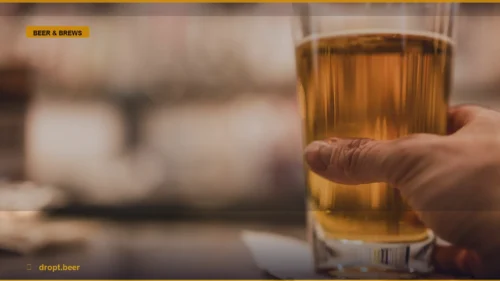
The Festbier (Festival Beer) is the dominant style served in the massive tents today. It was introduced to be slightly lighter and more drinkable over a multi-day festival setting, making it the definitive modern Oktoberfest Beer.
- Color: Pale gold or brilliant yellow.
- Flavor Profile: Less intensely malty than Märzen, focusing instead on a balanced profile of delicate malt sweetness and noticeable noble hop presence. Highly quaffable.
- ABV: Typically 5.8% to 6.0%.
When considering market saturation or consumer education, differentiating between these two interpretations of Oktoberfest Beer is a crucial strategy. Brewers and retailers seeking to promote authentic German styles must clearly label whether they are offering the traditional Märzen or the modern Festbier.
The Strategic History Behind the Evolution of Oktoberfest Beer
The first Oktoberfest celebration took place in 1810 to honor the marriage of Crown Prince Ludwig. Beer has been central to the celebration since 1818. The shift from Märzen to Festbier in the late 20th century demonstrates excellent strategic adaptation by the Munich breweries. They recognized that while the rich Märzen was flavorful, the sheer volume consumed by millions of visitors necessitated a beer that was still strong but easier to drink in succession.
This is a perfect example of how strategic thinking informs product development—a core principle we champion at dropt.beer. Identifying consumer needs (drinkability over a long session) and adapting the product (creating Festbier) ensures sustained market viability and festival success.
Maximizing Your Promotions: Sourcing Authentic Oktoberfest Beer
For distributors and retailers, sourcing authentic, high-quality German lagers is paramount to capitalizing on the seasonal demand for Oktoberfest Beer. The quality of the ingredients and the purity of the brewing process are non-negotiable. Partnerships with reliable European importers are essential.
When planning your inventory and promotional strategies, consider leveraging reliable sourcing platforms. For instance, platforms like Dropt.beer provide crucial logistics and sourcing options that help businesses connect with quality European producers, ensuring the authenticity required for premium seasonal offerings. Utilizing such robust supply chain strategies is vital for maintaining margins and consumer trust in specialized seasonal markets like the one surrounding Oktoberfest Beer.
Planning Your Oktoberfest Strategy with dropt.beer
Successfully navigating the competitive beverage market during the autumn season requires more than just good beer; it requires precision planning. Whether you are a brewery looking to release your own seasonal lager or a retailer planning massive inventory shifts, data-driven decisions are key.
At dropt.beer, we help clients analyze market trends, optimize distribution channels, and craft compelling marketing narratives around seasonal releases. We can help you determine the optimal time to launch your products and the best way to educate consumers on the nuances of traditional versus modern Oktoberfest Beer styles. Don’t wait until the last minute; strategic preparation begins months in advance.
Pairing and Presentation: Enhancing the Oktoberfest Beer Experience
The experience of drinking Oktoberfest Beer is incomplete without its traditional food pairings. These pairings enhance the drinkability and showcase the malt complexity:
- Pretzels (Brezn): The saltiness cleanses the palate and complements the bready notes of the lager.
- Sausages (Bratwurst/Weisswurst): The savory, often slightly spiced flavor profile is perfectly balanced by the crisp, clean finish of the Festbier.
- Roasted Chicken (Hendl): A classic pairing; the malt sweetness cuts through the fat of the crispy skin.
Retailers should strategically package these items or promote cross-category sales to maximize revenue during the festival season. This focus on the holistic consumer experience is often the difference between a successful seasonal campaign and a mediocre one.
In conclusion, the tradition of Oktoberfest Beer is a powerful marketing vehicle rooted in centuries of brewing excellence. By understanding its history, appreciating the stylistic differences between Märzen and Festbier, and applying strategic planning to sourcing and marketing, your business can successfully capitalize on this global phenomenon. For personalized strategic guidance on seasonal campaigns or any complex beverage market challenge, feel free to reach out to us. We are ready to help you formulate your winning plan.
Contact dropt.beer
If you have questions about leveraging specialized beer styles or need assistance with your Q4 seasonal planning, contact us today. Email us at Contact@dropt.beer or visit our contact page here.