Capturing the Vibe: The Reality of Night Club Bar Video
You are likely here because you have seen a chaotic, shaky, or poorly lit clip of a nightlife venue and wondered why it failed to make you want to go there. You want to know how to create a night club bar video that actually converts viewers into patrons. The simple answer is that effective content must prioritize the sensory experience of the room—the lighting, the crowd energy, and the rhythm of the pour—rather than just trying to capture every single flashing strobe light in the building.
Most people misunderstand the goal of filming in a dark, loud environment. They assume the camera needs to be in the middle of the dance floor, capturing frantic movement and blurry faces. In reality, the most successful content acts as a mood setter. When you are searching for a spot to spend your Friday night, you aren’t looking for a seizure-inducing montage; you are looking for evidence that the venue has a specific, enjoyable personality. A high-quality video frames the space as a destination, not just a room with loud speakers.
Common Misconceptions About Nightlife Content
The biggest mistake creators and venue managers make is believing that a night club bar video needs to be a highlight reel of “partying.” They film the most aggressive moments, thinking it signals excitement. However, this often backfires by making the venue look inaccessible, dirty, or uncomfortable. Viewers want to see themselves in the space, which means they need to see clean lines, a well-stocked back bar, and a crowd that looks like they are having fun without being obnoxious.
Another common error is the obsession with high-speed cuts and loud music overlays. While post-production is essential, chopping a video into half-second segments prevents the viewer from feeling the space. You need to let the shots breathe. A wide, steady shot of a bartender shaking a cocktail or a group laughing at a corner booth tells a much more compelling story than fifty shots of a strobe light firing into a lens. If you want to refine your approach, looking at professional marketing strategies for beer and spirits can help clarify how to position your brand effectively.
The Anatomy of a Professional Night Club Bar Video
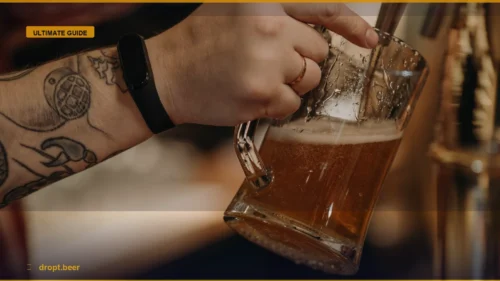
To produce a piece of content that actually works, you have to break it down into three specific pillars: the pour, the space, and the social interaction. The pour is your product shot. This needs to be crisp, well-lit, and intentional. Use a tripod or a gimbal to ensure the movement is smooth. Focus on the condensation on the glass, the texture of the foam on a pint, or the amber glow of a whiskey being poured over a clear ice cube. These details are what separate a professional production from a random phone recording.
The second pillar is the space. This is where you establish the architecture of the venue. Use long, slow pans to show the depth of the room. If the venue has specific design elements—exposed brick, neon signage, or a unique layout—highlight them. The goal is to make the viewer feel like they are standing in the room. If the space feels cramped or dingy in your footage, it will feel the same way to the customer. Proper color grading is your best friend here; you want to remove the harsh, sickly yellow or green tints that often plague low-light camera sensors and replace them with warm, inviting tones.
Finally, there is the social interaction. This is the hardest part to get right because it can feel forced. Do not ask people to “act” like they are having fun. Instead, position your camera to catch candid moments. A genuine smile, a clinking of glasses, or someone leaning in to talk to a friend is infinitely more persuasive than a group of people waving at the camera because they were told to. The social aspect should serve as the backdrop, confirming that the bar is a place where people actually want to be.
Technical Essentials for Low-Light Production
You cannot film a night club bar video using standard settings and expect high-end results. The technical hurdle is the lack of light combined with the constant movement of light sources. First, you must prioritize a fast lens—an aperture of f/1.8 or lower is ideal. This allows your camera to gather as much light as possible without cranking your ISO so high that your footage becomes grainy and unusable. Grain is the enemy of professional video; it makes the venue look cheap.
Stabilization is the second non-negotiable. Nightlife venues are crowded and the music is usually loud, which leads to shaky hands and accidental bumps. If you are using a gimbal, practice your “ninja walk”—a method of walking with your knees bent to absorb the impact of your steps. If you are shooting handheld, utilize the camera’s internal stabilization features or use a camera body that supports high-quality in-body image stabilization (IBIS). Remember that when shooting at night, shutter speed should generally be kept at double your frame rate. If you are shooting at 24 frames per second, set your shutter speed to 1/50th. This maintains a natural motion blur that feels cinematic.
The Verdict: Which Style Wins?
If you are deciding between a high-energy, fast-paced montage and a slow, atmospheric tour, the winner is clear: the atmospheric approach. While the high-energy style might get more “likes” from people who are already at the club, the atmospheric approach actually sells the venue to someone who has never been there. It creates a sense of place and belonging that a series of rapid cuts simply cannot replicate. By slowing down your shots and focusing on the quality of the drinks and the comfort of the layout, you create a night club bar video that functions as a legitimate invitation rather than just noise.
The final takeaway is that authenticity beats intensity every single time. People are not looking for a documentary on how chaotic a night out can be; they are looking for a reason to choose your bar over the one down the street. When you give them a clean, beautiful, and inviting look at your space, you stop being just another venue and start being the place they decide to visit next weekend.