Quick Answer
The modern drinker is winning by choosing higher-quality, lower-volume options, effectively prioritizing taste and experience over pure alcohol consumption. The trend is moving away from mindless social drinking toward curated, deliberate choices that align with personal wellness and values.
- Swap volume for complexity: spend your budget on one exceptional bottle rather than a six-pack of average beer.
- Embrace the no/low category: use high-quality non-alcoholic spirits for mid-week social rituals to maintain clarity.
- Learn the origin: if you can’t name the brewer or the region, don’t drink it.
Editor’s Note — James Whitfield, Managing Editor:
The habit of drinking for the sake of it is a relic. I firmly believe that the most interesting person at any bar is the one holding a glass of something they can actually talk about, rather than the person trying to keep up with the crowd. In my years covering the spirits industry, I’ve seen the shift toward premiumization redefine the bottom line for every major producer. I tasked Grace Thornton with this piece because she understands that mindful drinking isn’t about abstinence—it’s about elevation. Stop settling for liquid filler and start curating your cellar based on what you actually enjoy.
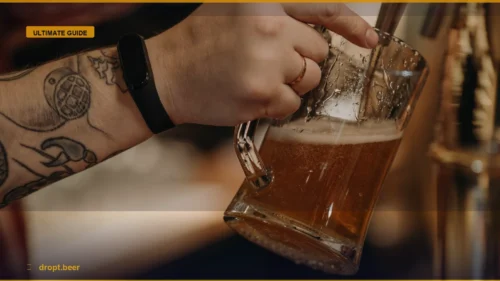
The condensation on the glass is the first thing you notice. It’s a cold, sharp contrast to the warmth of the pub—a bead of water tracing a path down to the coaster. You lift the glass, the aroma of Citra hops hits you before you even take a sip, and for a moment, the noise of the room fades. This is the ritual. It isn’t about the buzz; it’s about the intersection of chemistry, agriculture, and intent.
We are currently living through a fundamental reorientation of beverage culture. The era of mindless consumption is ending, replaced by a philosophy of intentionality where your glass reflects your values. If you aren’t drinking with purpose, you’re just wasting your liver—and your palate. The move toward mindful drinking isn’t a temporary trend; it’s a permanent shift toward quality, provenance, and the conscious pursuit of better experiences.
The End of Volume-Based Drinking
For decades, the metric for a good night was how much you consumed. That is an amateur’s game. When you focus on volume, you lose the nuance of the craft. According to the BJCP (Beer Judge Certification Program) guidelines, the appreciation of a beer relies entirely on your ability to detect specific esters, hop profiles, and mouthfeel—all of which disappear once you pass a certain threshold of intake. When you choose to drink less, you suddenly have the capacity to actually taste what you’ve ordered.
Consider the shift in the Australian market. We’ve moved from a culture of ‘the more the better’ to one where producers like Mountain Culture in the Blue Mountains are treated with the same reverence as fine wine houses. People aren’t just showing up to drink; they’re showing up to engage with a product that has a story. When you pay for quality, you’re paying for the labour, the ingredients, and the risk the brewer took to create something unique. That’s a fair trade.
No-Alcohol as an Act of Sophistication
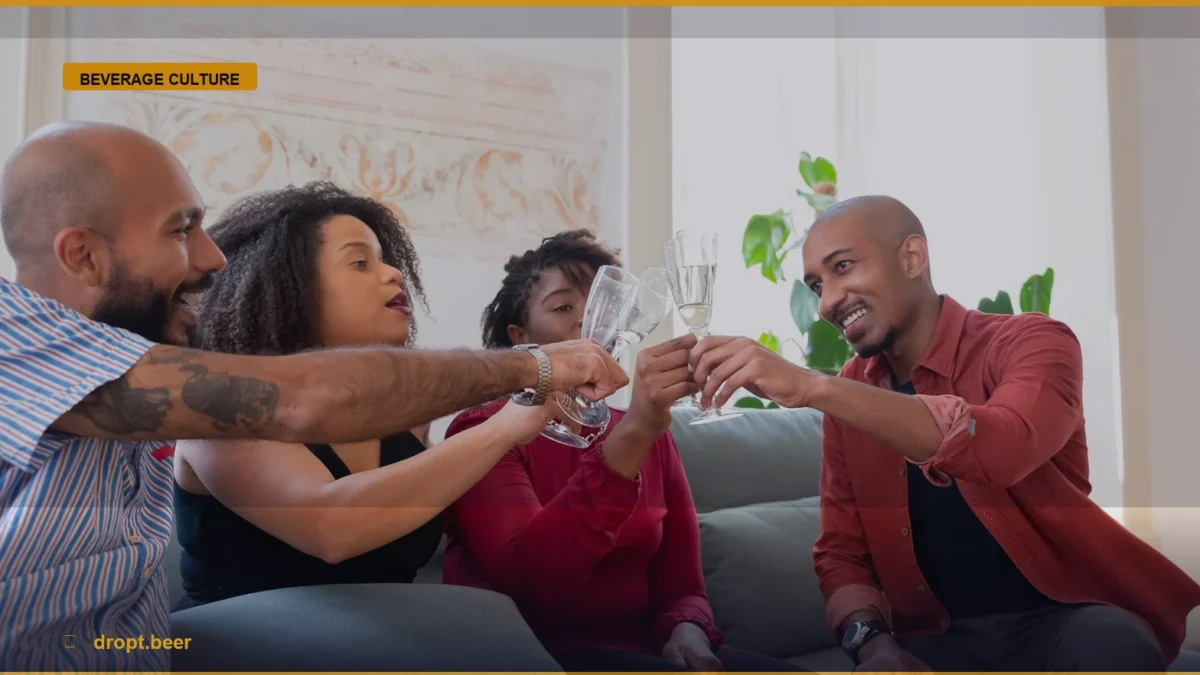
There is a lingering myth that non-alcoholic drinks are just juice for people who don’t want to party. That’s nonsense. If you’ve ever sat with a well-made non-alcoholic bitter or a complex AF craft beer, you know the flavour profiles are now sophisticated enough to hold their own against the heavy hitters. This is about maintaining your edge while still participating in the social ritual of the pour.
The Brewers Association has been tracking the rise of non-alcoholic beer for a reason: it’s no longer a niche corner of the market. It’s a legitimate category that allows you to enjoy the flavour of a well-balanced malt bill on a Tuesday night without the fog of Wednesday morning. If you’re going to drink, make sure it’s something that adds to your night, not something that subtracts from your tomorrow. Try a sessionable, hop-forward non-alcoholic IPA at your next gathering; you’ll find that the social connection remains, but the fatigue vanishes.
Curating Your Own Experience
You have more agency than you think. Every time you walk into a bottle shop or pull up a stool at a bar, you are making a vote with your wallet. Are you supporting a massive conglomerate that treats beer like a commodity, or are you supporting someone who treats it like a craft? The choice is entirely yours. I suggest you start by tracking what you drink. Keep a simple note on your phone. If you can’t remember what you had last weekend, you weren’t drinking with intention.
True beverage literacy comes from repetition and comparison. Don’t just drink the same lager every time. Pick two styles—say, a crisp Kolsch and a hazy Pale Ale—and drink them side-by-side. Notice the differences in the finish. Notice how the temperature changes the perception of the carbonation. This is how you stop being a consumer and start being a connoisseur. If you want to dive deeper into the world of thoughtful drinking, keep checking back at dropt.beer for more guides on how to refine your palate and build a collection that actually means something.
Frequently Asked Questions
What does ‘mindful drinking’ actually mean in practice?
Mindful drinking is the practice of being fully aware of why, how much, and what you are drinking. It means shifting your focus from the intoxicating effects of alcohol to the sensory experience of the beverage itself. Practically, this involves slowing your pace, choosing higher-quality ingredients, and being prepared to stop or switch to non-alcoholic options when you’ve reached your limit of enjoyment.
Is no-alcohol beer really comparable to craft beer?
Yes. Modern brewing techniques, such as vacuum distillation and specialized yeast strains, allow brewers to retain the hop oils and malt character of traditional beer while removing the alcohol. While you might miss the ‘warmth’ of ethanol, the top-tier non-alcoholic craft beers on the market today offer complex flavour profiles that are virtually indistinguishable from their full-strength counterparts in a blind taste test.
How can I start drinking more intentionally today?
Start by adopting a ‘one-for-one’ rule: for every alcoholic beverage you consume, alternate with a non-alcoholic one. This keeps you hydrated and slows your consumption rate, allowing you to actually appreciate the nuances of the alcohol you do choose to drink. Additionally, stop buying bulk commodity drinks and instead spend that same amount on one single, high-quality bottle that you can research and savour over the course of an evening.
Does quality actually matter for cocktails?
Absolutely. A cocktail is only as good as its weakest ingredient. Using high-quality base spirits, fresh citrus, and artisanal mixers drastically changes the balance and mouthfeel of the final drink. Lower-quality spirits are often loaded with artificial additives to mask impurities, which will ruin the structure of even the most classic recipes. If you want a better experience, prioritize the quality of your base spirit above all else.