Quick Answer
Avoid the tourist-trap waterfront bars and the neon-soaked chaos of Mitchell Street. Seek out venues that prioritize cold-chain logistics and rotating tap lists, as these are the only indicators of quality in the Top End’s unforgiving heat.
- Check for bubbles on the glass walls; if they’re there, the glass is dirty and the pour is ruined.
- Look for independent, rotating taps rather than static, mass-market lines.
- Prioritize climate-controlled venues over sunset views to ensure your beer hasn’t been heat-stressed.
Editor’s Note — James Whitfield, Managing Editor:
I firmly believe that the biggest threat to a good pint isn’t a bad recipe, but the logistical failure to keep it cold. In my years covering the industry, I’ve seen countless brilliant brews destroyed by poor storage in tropical climates. What most people miss when visiting Darwin is that the heat doesn’t just make you sweat; it kills hop aromatics and accelerates staling in a matter of hours. I tasked Sam Elliott with this piece because he understands the mechanics of a clean tap line better than anyone I know. Stop chasing sunset views and start chasing clean glassware today.
The Real Scene
The humidity in Darwin hits you like a wet wool blanket the second the aircraft door opens. It’s a sensory assault that dictates everything, including what you should be drinking. Most visitors wander toward Mitchell Street, lured by the promise of a cold one and a view of the water. They end up with a glass of macro-lager that tastes like it spent the afternoon sitting on the tarmac, served in a glass that hasn’t seen a proper rinse since last Tuesday. You deserve better than that.
The reality is that Darwin’s best drinking experiences aren’t found on the main tourist drags. They’re tucked into air-conditioned corners where the staff knows that in the Top End, the cold chain is the only thing standing between you and a soured pint. If a venue hasn’t mastered the art of keeping a keg cool from the supplier to the tap, they don’t deserve your money. Finding a decent beer here requires a shift in perspective; you aren’t looking for a view, you’re looking for professional maintenance.
Why Your Usual Search Strategy Fails
If you’re relying on travel blogs that rank bars by their Instagram potential, you’re already behind. These lists are almost universally written by people who treat a beer as a prop for a sunset photo rather than a product that needs care. They claim the waterfront is the place to be, but that’s a half-truth. While the view is spectacular, the service is often lazy and the beer lines are frequently neglected. A bad beer ruins a sunset faster than a cloudy sky ever could.
According to the Brewers Association’s 2024 quality standards, heat is the primary enemy of beer stability. Yet, you’ll find plenty of establishments in Darwin that treat their kegs like outdoor furniture. When you see a bar pushing heavy, syrupy stouts while the mercury is hitting 34 degrees, run. They don’t understand the environment, and they certainly don’t understand your palate. A great bar in the tropics is one that curates a menu of crisp, sessionable, and bright profiles that actually complement the climate.
The Anatomy of a Quality Pour
When you walk into a bar, don’t look at the decor. Look at the taps. Are they rotating? A venue that pours the same four mass-market beers for years isn’t interested in your experience; they’re interested in minimizing effort. You want to see a mix of local independent brewers and perhaps an import that signals the manager actually talks to their suppliers. The BJCP guidelines emphasize the importance of serving temperature and glass hygiene, and in a place like Darwin, those rules are amplified by the extreme heat.
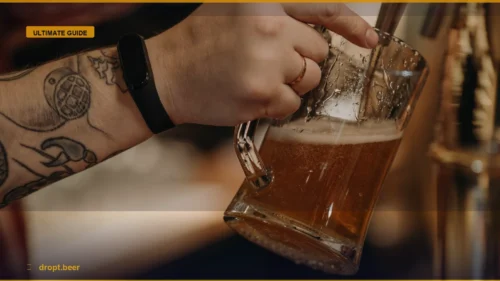
Check your glass the moment it hits the bar. If there are bubbles clinging to the sides, the glass is dirty—it’s full of microscopic residues that ruin carbonation and kill the head. If the head vanishes in seconds, your beer is dead on arrival. Don’t be afraid to send it back. A venue that cares about its reputation will be happy to pour a fresh one. If they argue, leave. There’s a better pint waiting for you down the street.
The Importance of Local Relationships
The craft scene in Darwin is finding its feet, and you can spot the winners by how they treat their local brewers. Look for the bars that host tap takeovers or feature a “Brewer of the Month.” This indicates a direct relationship with the supply chain. When a bar owner cares about the provenance of the keg, they’re far more likely to ensure it’s been handled with the respect it deserves.
If you’re in town, look for spots like One Mile Brewery or similar local outfits that are actively involved in the community. These places usually have a vested interest in ensuring their product tastes exactly as the brewer intended. When you support these venues, you aren’t just getting a better drink; you’re fueling a culture that values quality over convenience. It’s a simple trade-off, but it’s one that will define your night.
Your Move
Stop searching for the biggest venue or the one with the best view. Your priority should be finding a bar that prioritizes the integrity of the liquid in the glass. Before you order, walk in, scan the taps, and watch how the bartender handles the glassware. If they don’t rinse the glass before the pour, walk out. The best bars in Darwin are the ones that take the work seriously, and at dropt.beer, we believe that’s the only way to drink.
Frequently Asked Questions
Why does my beer taste flat in Darwin?
It’s almost always a combination of heat stress and dirty glassware. If a keg isn’t stored in a strictly temperature-controlled environment, the carbonation breaks down, leading to a flat, lifeless pour. Furthermore, if your glass hasn’t been properly cleaned, the residue inside creates nucleation points that cause the beer to lose its head immediately. If your pint is flat, the venue is failing at basic maintenance.
Are waterfront bars ever worth the visit?
Only if you are prioritizing the view over the quality of the beverage. If you want a genuinely good craft beer, avoid them. These locations rely on high foot traffic and tourists who aren’t returning, meaning they have little incentive to invest in high-end tap maintenance or rotating, premium selections. Go for the sunset, but don’t expect a world-class drinking experience.
How do I tell if a tap list is actually good?
Look for variety and rotation. A good tap list should change regularly and feature a mix of styles that make sense for the weather—think crisp lagers, pilsners, and clean, sessionable ales. If the taps have been the same for months, or if they only feature big-brand lagers, the venue isn’t prioritizing quality. Seeing a local or independent brewery you recognize is the best sign that the manager is curating the selection.