Quick Answer
Providence is best experienced in venues that blend historic grit with modern hospitality. Skip the hotel conference rooms and host your event at The Steel Yard for an industrial-chic atmosphere or the WaterFire Arts Center for scale and local soul.
- Prioritize venues with in-house bar programs to ensure proper service standards.
- Check local noise ordinances if hosting an outdoor event on the East Side.
- Book at least six months out if you want access to the city’s premier historic sites.
Editor’s Note — Diego Montoya, Beer & Spirits Editor:
I firmly believe that the venue you choose dictates the quality of the pour. A cheap banquet hall inevitably leads to mass-produced lager served in plastic, while a space with character demands a curated beverage program. I’ve seen too many great celebrations ruined by lukewarm, uninspired drinks. I chose Sam Elliott for this guide because he understands that a venue isn’t just four walls; it’s a living part of the drinking experience. He knows which Providence spots actually respect a craft beer list. Stop settling for corporate event spaces and start booking venues that treat your guests like human beings.
The Hum of a Good Room
The smell of floor wax and old brick greets you at the door, but it’s the clinking of heavy glassware that tells you the night is going to be worth it. Providence isn’t a city that does “generic” well. When you’re planning a gathering here, you’re not just picking a floor plan. You’re choosing the backdrop for how people will remember the night. If you’re hosting, the space does half the work for you.
I’ve spent enough nights leaning against bars in Federal Hill and the Jewelry District to know that the right room changes the way people drink. It forces them to slow down. If you host in a soul-sucking hotel ballroom, your guests will drink like they’re waiting for a flight. If you put them in a converted industrial space, they’ll actually engage with the craft beer and local spirits you’ve spent weeks selecting. My position is simple: choose the room that dictates the vibe, not the one that forces you to bring it.
Industrial Grit: The Steel Yard
If you want your guests to walk away talking about the setting, book The Steel Yard. This isn’t your grandfather’s banquet hall. It’s a former industrial complex turned arts space that feels like the beating heart of Providence’s creative scene. The exposed brick and raw steel aren’t just aesthetic choices; they’re a nod to the city’s manufacturing past.
When you host here, you aren’t just renting a room. You’re inviting people into a working studio environment. It’s perfect for a crowd that values authenticity over polish. Because the space is so visually intense, keep your bar program tight. A few well-chosen local IPAs and a single, high-quality craft spirit will carry the weight of the room. Don’t clutter the space with unnecessary decorations—the art is already on the walls.
The Grandeur of College Hill
If you need something that commands respect—like a formal anniversary or a launch party that demands a bit of gravitas—the Lippitt House Museum is your play. This is Victorian architecture at its most aggressive. It feels like stepping into a different century. The BJCP guidelines for historical beers might be a bit of a stretch here, but this is the perfect venue for a refined, classic bitter or a balanced English-style ale.
The key to hosting here is restraint. You are a guest in history, so treat the space with the dignity it deserves. Focus your drink menu on classics that don’t need a garnish to make a statement. Think cask-conditioned ales or crisp, dry ciders. If you try to force a complex, modern cocktail program into a Victorian parlor, it’ll feel jarring. Respect the history, and the room will reward you.
The Scale of WaterFire Arts Center
Sometimes, you just need room to breathe. The WaterFire Arts Center is the go-to for those who want to host a crowd without sacrificing the “Providence” feel. The ceilings are massive, the light is incredible, and the connection to the WaterFire installations gives your event a built-in narrative. According to the Brewers Association, mid-sized breweries are focusing more on experiential retail—this venue is the live-action version of that philosophy.
Because the space is so large, it can easily swallow a weak event. You need to anchor the room with your bar. Don’t tuck it in a corner. Put it in the center of the flow. Let the steam from the tap handles be a beacon for your guests. If you’re going big, go local. Nothing says Providence like a tap list dominated by the best of the Ocean State’s craft scene. It grounds a massive, airy space in something deeply local.
The Library’s Quiet Authority
The Providence Public Library isn’t just for quiet study. It’s a hidden gem for events that need a touch of intellectual cool. The high ceilings and rows of books create a natural buffer against the outside world. It’s a space that encourages conversation. If you’re hosting a networking event, this is where you go to ensure people actually talk to each other instead of just shouting over a DJ.
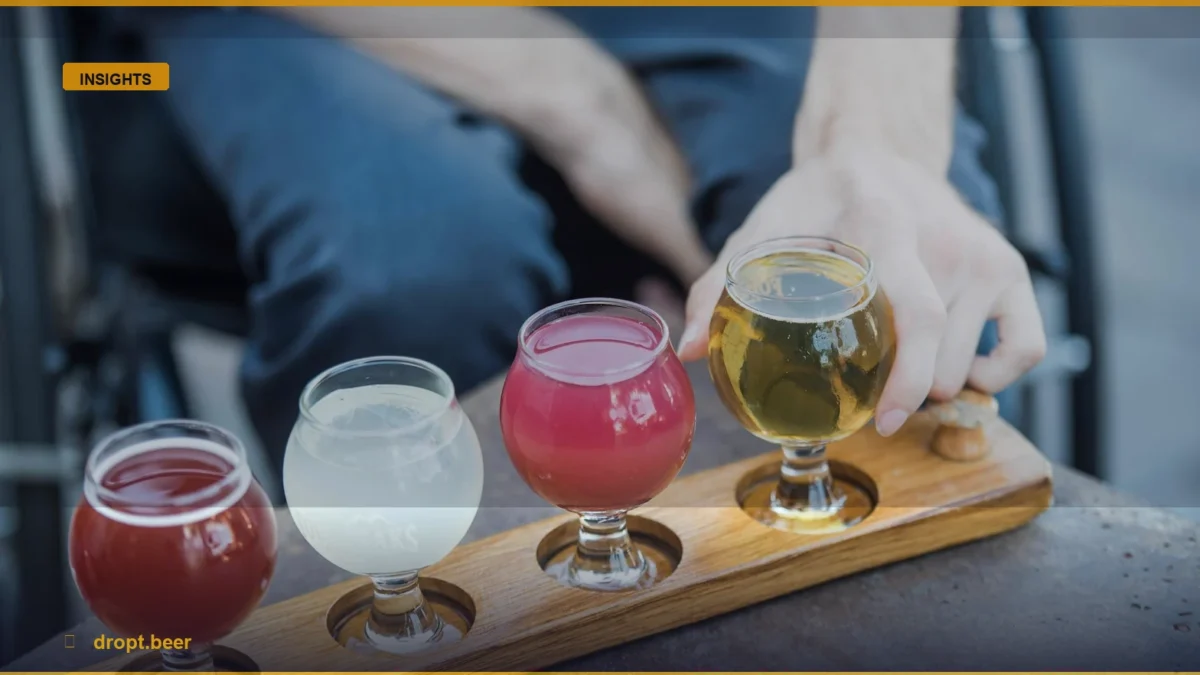
When you’re in a place of learning, your drink choices should be thoughtful. This is the time for a tasting flight or a curated selection of rare bottles. You want your guests to be curious. If you’re pouring a stout, talk about the grain bill. If you’re serving a sour, explain the fermentation. The environment allows for that level of engagement. Don’t waste the opportunity to teach your guests something new about what they’re drinking.
Choosing a venue is the first step in building a culture of thoughtful drinking. Once you’ve picked your spot, the rest—the glass, the pour, the conversation—becomes much easier. Keep an eye on dropt.beer for more ways to elevate your hosting game, because your guests deserve better than a plastic cup in a sterile room.
Your Next Move
Identify the tone of your event today and match it to one of these three distinct venue styles.
- [Immediate — do today]: Call the event coordinator at your chosen venue and ask specifically about their “preferred vendor list” for catering and alcohol to see if they allow outside craft beer.
- [This week]: Visit one of the venues in person during public hours to assess the lighting and acoustics for yourself—don’t trust the marketing photos.
- [Ongoing habit]: Keep a “venue notebook” where you note the layout, bar flow, and atmosphere of every event you attend, so you’re always prepared to suggest a spot for your next gathering.