The Real Deal with Nightlife 8K Visuals
You are wondering if shelling out for high-resolution video equipment or obsessing over 8K cinematic footage is necessary to capture your bar’s atmosphere or your own drinking adventures. The short answer is no, nightlife 8k content is almost entirely unnecessary for social media, marketing, or personal memories, as the extreme resolution provides diminishing returns that your audience will never actually see on their mobile devices.
When we talk about 8K in the context of bars, clubs, or beer halls, we are discussing a resolution of 7680 by 4320 pixels. That is four times the resolution of 4K and sixteen times that of standard 1080p HD. While this sounds impressive in a spec sheet, it introduces significant technical hurdles, such as massive file sizes and the need for professional-grade editing hardware. If you are documenting the best nightlife spots in Legian, your audience is likely viewing those clips on a phone screen while sitting on a train or at a pub. They simply cannot perceive the extra detail offered by 8K, and the software used by Instagram or TikTok will aggressively compress that footage, effectively erasing the benefits of the resolution you spent hours processing.
The Common Myths About Resolution
Most articles on the web will tell you that resolution is the primary factor in visual quality, but this is fundamentally incorrect. People often confuse sharpness with clarity. In low-light environments like craft beer bars, image noise—that graininess you see in shadows—is a much bigger enemy than pixel count. If you shoot 8K but fail to manage your ISO settings or aperture, you are simply recording a high-resolution mess of digital noise. Most blogs peddling 8K equipment focus on hardware sales rather than the reality of visual storytelling in dimly lit environments.
Another common mistake is the belief that higher resolution makes a scene look more professional. In reality, cinema-style lighting, color grading, and camera movement matter significantly more than the number of pixels. A well-lit, steady, and color-corrected 1080p shot will always outperform an 8K shot that is shaky, poorly lit, or flat in terms of color depth. When you focus on nightlife 8k specs, you often ignore the basics of cinematography: creating a mood through light, shadow, and composition. If you want to improve your production quality, spend money on better lenses or a small LED light panel instead of an 8K sensor.
Understanding the Technical Trade-offs
To produce quality video, you must consider the workflow. Recording in 8K requires a massive amount of storage space. A few minutes of footage can take up hundreds of gigabytes, which is cumbersome when you are trying to capture spontaneous moments at a brewery. Furthermore, editing this footage requires a computer with significant RAM and a powerful graphics card. For most people, the time lost waiting for files to render or transfer far outweighs any visual gain. You end up spending more time managing data than you do engaging with the drinking culture you are trying to document.
Additionally, 8K sensors often perform worse in low light than their 4K or 1080p counterparts. Because the pixels on an 8K sensor are much smaller to fit all that resolution onto the same physical chip size, they capture less light. In a dark bar, this means your footage will be grainier and less usable. If you are serious about professional-level video marketing for your brewery, you might consult with the best beer marketing experts, who would likely advise you to prioritize high-frame-rate 4K for slow-motion pouring shots rather than 8K resolution.
Why Composition Beats Pixel Count
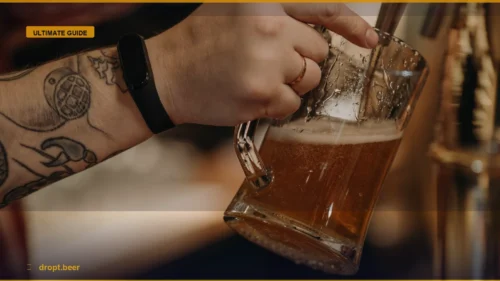
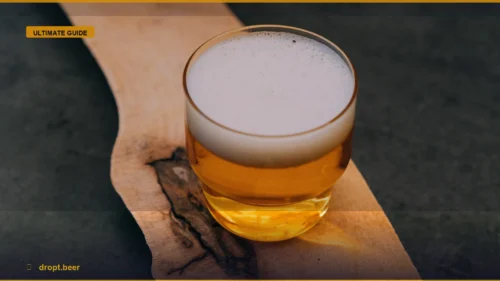
The essence of a great drinking video is the feeling of the room. It is the golden glow of a lager in a glass, the condensation on a cold pint, or the blurred motion of a bustling bar counter. None of these elements require 8K resolution. They require a shallow depth of field, which is achieved through a wide aperture lens, and a steady hand or a gimbal. When you are at a beer festival, no one is zooming into your video to check the texture of the foam at 8K magnification; they are looking at how much fun the crowd is having.
Instead of chasing nightlife 8k, focus on your narrative. Tell the story of the brewer who spent weeks perfecting a recipe. Show the texture of the grain. Capture the clinking of glasses. These stories are what resonate with viewers. When you simplify your technical workflow by shooting at 4K or even 1080p, you free up mental energy to focus on the content itself. You become a better storyteller because you are no longer limited by the constraints of your hardware.
The Final Verdict
If you are a professional filmmaker creating content for a massive screen at a trade show or a high-end projection system, 8K is a viable tool. However, for 99% of people involved in the craft beer and nightlife space, it is a distraction. If your goal is social media engagement, website content, or building a brand, stick to high-quality 4K or even 1080p at 60 frames per second. This provides a clean, smooth image that is easy to edit, compatible with every platform, and superior in low-light performance.
My verdict is clear: drop the 8K obsession. Invest in a fast prime lens with an aperture of f/1.4 or f/1.8 to handle the darkness of your favorite bars, invest in a simple gimbal to keep your shots steady, and spend your time learning color grading. That is how you capture the soul of the room. By focusing on the art of the shot rather than the technical overkill of nightlife 8k, you will produce content that actually moves people, rather than just filling up your hard drive with data that no one will ever fully appreciate.