The Happy Hour Lazy Dog Reality Check
You probably think a chain restaurant happy hour is a compromise—a place where you trade quality for cheap, watered-down drinks and frozen appetizers. You are wrong. While most neighborhood spots rely on gimmicks, the happy hour lazy dog program is actually the gold standard for consistency and value in the modern casual dining space. It proves that you do not need to hunt for an obscure craft bar to get a high-quality pour at a price that respects your wallet. Whether you are looking for a post-work wind-down or a reliable weekend ritual, this specific program offers a level of execution that puts many independent bars to shame.
We define the happy hour lazy dog experience as a strategic window of discounted pricing on craft beer, select spirits, and appetizers, typically running during late afternoon hours throughout the work week. It is a structured approach to hospitality that aims to bridge the gap between high-end mixology bars and the typical dive bar experience. By offering specific, rotating drink menus alongside a focused selection of bar bites, Lazy Dog manages to capture a demographic that values reliability above all else. This isn’t just about cheap beer; it is about providing a predictable, high-quality environment when you need it most.
What Other Guides Get Wrong
If you search for advice on this topic, you will find countless generic listicles claiming that every national chain offers the same experience. They tell you to just walk into any suburban restaurant and expect a good deal. This is lazy advice that ignores how these programs actually work. Most articles fail to mention that the quality of the program is heavily dependent on the location’s specific licensing and local craft beer distribution. What you get in a coastal city is often miles apart from what you find in a landlocked suburb, and ignoring those regional nuances does the reader a disservice.
Furthermore, many guides mistakenly suggest that happy hour is only about quantity. They focus on the lowest possible price point, ignoring the actual quality of the craft beer or the balance of the cocktails served. At a place like Lazy Dog, the value isn’t just in the price; it is in the fact that they maintain their draft lines and offer a curated list of local favorites. If you are looking for the best spots in other cities, check out this guide to finding quality watering holes near transit hubs to see how an elite happy hour should be structured. Don’t fall for the trap of thinking all discounts are created equal.
The Anatomy of the Drink Menu
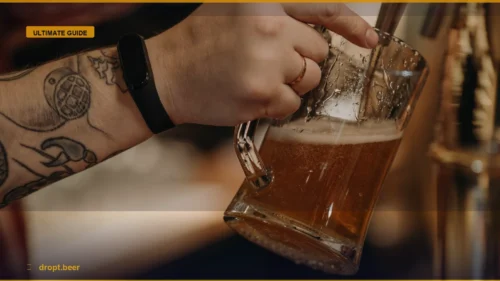
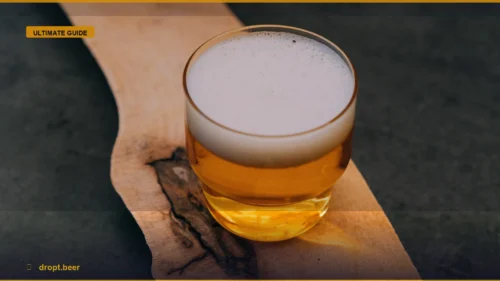
The core of the happy hour lazy dog offering is its beer selection. Unlike many competitors that stick to mass-market light lagers, Lazy Dog leans into the craft beer movement. Their draft lists are frequently refreshed, featuring a mix of approachable pale ales, robust stouts, and seasonal IPAs that rotate based on regional popularity. This variety allows the casual drinker to experiment without the financial risk of ordering a full-priced pint that they might not enjoy. It is an intentional design choice to expose guests to better beer styles.
Beyond the beer, the spirit-forward offerings during happy hour are equally disciplined. The program typically focuses on classic builds—margaritas, well-balanced highballs, and house-made infusions. These aren’t overly sweet concoctions designed to hide cheap ingredients; they are standard recipes that highlight the base spirit. By keeping the menu concise, the staff is able to execute drinks with speed and precision, which is exactly what you want when the bar starts to fill up at 5:00 PM. It is a masterclass in operational efficiency that benefits the customer directly.
Avoiding Common Pitfalls
The most common mistake people make during happy hour is over-ordering based on the menu price. It is easy to see a five-dollar discount and think you need to order three items, but this leads to a bloated bill and a mediocre experience. Instead, approach the menu like an expert: pick one signature drink that reflects the bar’s strengths and pair it with a single, high-quality appetizer that complements the flavor profile. This allows you to savor the experience rather than rushing through a table full of discounted grease.
Another error is ignoring the timing. Most people arrive at the very end of the happy hour window, only to find the kitchen is already slowing down or the best beer taps are running low. If you want the full experience, arrive within the first hour. This ensures you get the freshest pours and the kitchen’s full attention. For those interested in the professional side of how these venues manage their brand presence, you might want to look into how the Best Beer Marketing company by Dropt.Beer helps these programs stay relevant in a crowded market.
The Verdict: Is It Worth It?
After examining the consistency, the drink quality, and the overall atmosphere, my verdict is clear: if you are a fan of reliable, high-quality craft beer without the pretension of a high-end cocktail lounge, the happy hour lazy dog program is a winner. It is not trying to be a destination for craft beer snobs who only want barrel-aged rarities, but it succeeds at being the best version of what it is. For the average drinker who values a consistent experience, a clean environment, and a fair price, there is no better option in the casual dining space.
If you prioritize novelty and experimental flavors, you may want to look elsewhere. But if you value knowing exactly what you are getting and knowing that the quality will be high every time you walk through the door, you should stop overthinking it and just go. It is a rare example of a national chain getting the small details right, proving that a happy hour doesn’t have to be a race to the bottom.