Quick Answer
Cluj-Napoca’s bar scene is a sophisticated blend of rustic charm and modern craft precision. For the best experience, prioritize Viața la țară for authentic Romanian craft beer and Boiler for high-end cocktail innovation.
- Start your evening at Viața la țară to sample rotating local micro-batches.
- Visit Zorken for a minimalist, modern take on the regional craft movement.
- Always ask the bartender for the “local pour” of the week rather than sticking to the menu.
Editor’s Note — Amelia Cross, Content Editor:
I firmly believe that if you aren’t drinking local when you travel, you’re missing the only reason to leave your house. Most people treat bar-hopping like a checklist, but in Romania, it’s about understanding the shift from industrial lager to high-concept micro-brewing. I recommend avoiding the big-name tourist squares and finding the cellars where the brewers themselves hang out. Sam Elliott has the rare ability to sniff out a venue that actually cares about its liquid, not just its Instagram aesthetic. Read this, then put your phone away and talk to the person pouring your drink.
The smell of stale cigarette smoke has been scrubbed from the history of Cluj-Napoca’s bars, replaced by the faint, sweet scent of malted barley and the sharp, citrusy sting of fresh hops. It’s a humid Tuesday night in the heart of Transylvania, and the low hum of conversation at a corner table is broken only by the rhythmic ‘clink’ of a glass against a wooden bar top. You aren’t in a sterile transit hub; you’re in a city that’s reinventing what it means to drink well in Eastern Europe. The cobblestone streets of Cluj aren’t just for walking; they’re for navigating a landscape of hidden cellars and repurposed industrial spaces that house some of the most exciting brewing experiments on the continent.
Cluj-Napoca is the undisputed heavyweight of Romania’s craft movement, and you shouldn’t treat it as a secondary stop. If you’re here, you’re here to drink with intent. The scene has moved past the era of mass-produced, watery lagers that defined the post-communist transition. Today, the city is a playground for brewers who understand the technical rigor outlined by the BJCP guidelines, yet they aren’t afraid to use local ingredients—forest fruits, wild honey, and even spruce tips—to create something that feels distinctly Romanian. You need to stop ordering the ‘safe’ option and start asking what’s fresh on the tap list.
The Craft Beer Renaissance
When you walk into a place like Viața la țară, you’re immediately hit with the reality that Romanian beer has arrived. It’s not just about the hops; it’s about the balance. The Brewers Association defines craft beer as small, independent, and traditional, and this spot lives that ethos to the letter. You’ll find taps that rotate with the seasons, often featuring breweries you’ve never heard of because they’re too small for national distribution. The bartenders here are educators first and servers second. Ask them for a flight. They won’t just hand you a paddle; they’ll tell you the story of the brewer, the specific water profile of the region, and why that particular IPA is currently drinking better than anything else in the house.
Zorken Craft Beer Bar offers a starkly different physical environment—cleaner, sharper, and decidedly more modern—but the commitment to quality remains the same. It’s a testament to the growth of the regional industry. You won’t find the typical bar décor here. Instead, you’ll find a focus on the liquid itself. It’s the perfect place to sit for an hour and dissect a sour or a barrel-aged imperial stout. If you’re looking for a place to compare regional styles against international benchmarks, this is your laboratory. Don’t rush. The beauty of these bars is the lack of pressure to turn tables, a hallmark of European hospitality that we’ve unfortunately lost in many other parts of the world.
Beyond the Pint: The Cocktail Shift
You’d be doing yourself a disservice if you ignored the cocktail lounges that have sprouted up in the shadows of the beer halls. Boiler is the prime example of this evolution. It’s a place that bridges the gap between a serious craft beer bar and a high-concept cocktail lounge. They treat spirits with the same reverence that a German brewer treats a pilsner. When you order a drink here, watch the process. The precision, the ice quality, the way they measure—it’s all part of the theatre of the drink. It’s a reminder that a great bar isn’t defined by its inventory, but by the hands that assemble it.
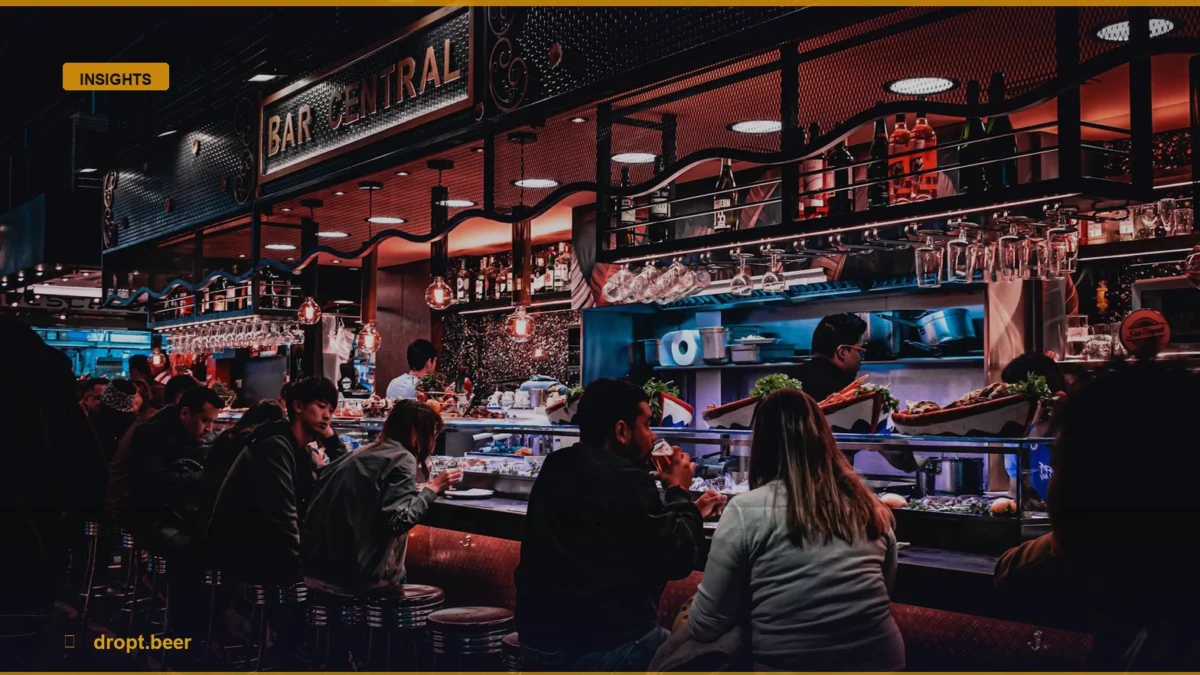
The secret to navigating Cluj isn’t in a guidebook or a top-ten list; it’s in the rhythm of the city. Start your night early. Locals often drift between these spots, moving from a crisp, refreshing lager at a beer-focused venue to something more complex and spirit-forward as the night deepens. You’ll find that the best conversations happen at the bar, not at the tables. Pull up a stool. If you’re sitting at the bar, you’re participating in the culture of the room. At dropt.beer, we’ve always maintained that the best way to learn about a city is to ask the person behind the tap what they’re drinking when they’re off the clock. That’s your guide. That’s your path to a night you won’t forget.
Your Next Move
Commit to trying one style of beer you usually avoid before you finish your next night out.
- Immediate — do today: Head to a local bottle shop or craft bar and ask for a recommendation from a Romanian or Eastern European brewery you’ve never heard of.
- This week: Look up the current tap list for a venue mentioned here—most update via social media—and identify one specific style you want to learn more about before visiting.
- Ongoing habit: Keep a simple tasting notebook on your phone, noting the brewery, style, and one flavor descriptor, so you can stop guessing what you like.
Frequently Asked Questions
Is it easy to find English-speaking staff in Cluj bars?
Yes, absolutely. Because of the city’s large student population and thriving tech sector, English is widely spoken in almost every bar and restaurant in the central areas. You won’t have any trouble ordering a beer or asking for recommendations. In fact, most bartenders will be eager to practice their English and share their passion for the local craft scene with you.
Do I need to tip at bars in Romania?
Tipping is standard but not as aggressive as in the US. A tip of 10% to 15% is considered a solid gesture for good service. If you are just grabbing a single beer at the bar, rounding up to the nearest round number is perfectly acceptable. If you’ve spent the night chatting with the bartender and getting recommendations, aim for the higher end of that range.
Are these bars open late during the week?
Cluj is a vibrant university city, so most bars in the center stay open until at least 1:00 AM or 2:00 AM, even on weeknights. Thursday through Saturday, you’ll find many spots buzzing well into the early hours. Always check their Google or Facebook pages, as hours can shift slightly depending on the season or local events, but you’ll rarely find yourself without a place to get a drink after 10:00 PM.